
How To
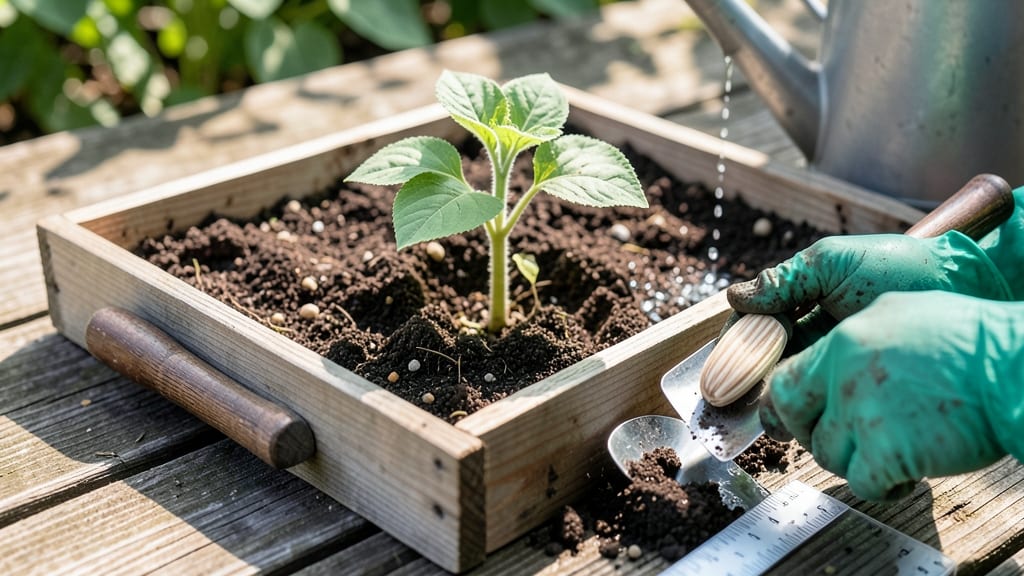
To plant sunflower seeds and get those towering 🌻 stalks you’ve seen in gardens, start with the right depth and spacing—just 1-2 inches deep, with 12-24 inches between each seed.
Picture this: you’ve waited all spring for the perfect moment, only to watch your sunflowers struggle because the soil was too cold or the seeds were buried too deep.
That’s why soil temperature and spacing matter just as much as the seed itself—skimp on either, and you’ll end up with weak stems or crowded plants fighting for sunlight.
Sunflowers thrive in full sun and well-drained soil, but even the hardiest seeds need a little help to reach their potential. Whether you’re a first-time gardener or a seasoned pro, these proven steps will give you the strong, healthy plants you’re dreaming of.
Below, I’ll walk you through everything—from prepping the soil to avoiding common pitfalls—so you can enjoy sunflowers that reach skyward without the guesswork.
Optimal sunflower seed planting depth & spacing for maximum growth
Sunflowers thrive when planted with precision—depth and spacing directly impact their ability to grow tall and strong. Research shows that seeds planted 1-2 inches deep in warm soil (at least 55°F) germinate best within 7-14 days.
The key? Mimicking their natural habitat where seeds lie just beneath the soil surface, ready to soak up sunlight as soon as they sprout.
Spacing matters just as much as depth. Crowding your sunflowers leads to weak stems and smaller blooms, while proper spacing ensures each plant gets the nutrients and sunlight it needs.
For most varieties, aim for 12-24 inches apart in rows spaced 2-3 feet apart. This gives roots room to expand and prevents competition for water.
| Factor | Specification | Notes |
|---|---|---|
| Planting Depth | 1-2 inches | Deeper in dry soil; shallower in moist soil |
| Seed Spacing | 12-24 inches apart | Taller varieties need more space (24") |
| Row Spacing | 2-3 feet apart | Prevents fungal spread and improves airflow |
| Soil Temperature | 55°F+ | Use black plastic mulch to warm cold soil |
| Regional Adjustment | Northern climates: 18" spacing Southern climates: 24" spacing |
Hotter areas need more airflow |
Adjust your spacing based on the sunflower variety. Dwarf varieties (like 'Teddy Bear') can handle 12-inch spacing, while giant varieties (like 'Mammoth') need 24 inches to avoid overcrowding.
My personal trick? Plant in a grid pattern—this makes thinning seedlings easier and ensures even sunlight exposure for all plants.
Soil temperature plays a crucial role in germination. Sunflower seeds won’t sprout until the soil reaches 55°F. In cooler climates, use black plastic mulch or wait until after your last frost date (typically mid-April in most regions).
If you’re in a hurry, soak seeds overnight to kickstart germination, but plant them in warm soil immediately afterward.
Regional adjustments are key to success. In northern climates (USDA zones 1-4), plant seeds 18 inches apart to conserve space and protect against wind. In southern climates (zones 8-10), increase spacing to 24 inches to prevent fungal diseases like powdery mildew, which thrives in humid conditions.
Overcrowding is the #1 mistake gardeners make with sunflowers. When plants compete for resources, they develop weak stems that snap under their own weight—especially in tall varieties. I’ve seen 12-foot stalks topple over simply because they were planted too close together.
Pro tip: If you’re short on space, consider growing dwarf varieties or use trellises for support.
For container gardening, adjust spacing to 6-12 inches apart in pots at least 12 inches deep. Use a lightweight potting mix to prevent root-bound issues. My largest sunflower grew in a 15-gallon container with just one seed—proof that even limited space can yield impressive results with the right technique.
After planting, gently firm the soil around each seed to ensure good seed-to-soil contact. This step is often overlooked but critical for consistent germination. Water lightly to settle the soil without displacing seeds. Avoid overwatering at this stage—sunflower seeds rot if left too wet.
Monitor your seedlings closely once they emerge. Thin to your target spacing (12-24 inches) when they reach 2-3 inches tall. Use sharp scissors to cut unwanted seedlings at soil level—this prevents disturbing the roots of remaining plants. I always harvest the thinned seedlings as microgreens for a nutrient boost!
Step-by-step sunflower planting process for beginners & experts
Sunflowers thrive when planted with care, but the process is simpler than you might think. Start by choosing the right variety—dwarf types like 'Teddy Bear' reach just 3-4 feet, while giants like 'Russian Giant' can tower 12-16 feet.
Your soil should be loose, well-draining, and with a pH between 6.0-7.5. Test it with a simple kit if unsure, as sunflowers hate soggy roots!
Timing matters too. Plant seeds after your last frost date when soil temperatures reach at least 50°F (10°C). In most regions, this means April or May. Warm soil speeds germination, so avoid cold, damp earth—your seeds will rot before sprouting.
- 1 Prepare the Soil: Loosen soil to 12 inches deep with a garden fork. Mix in 2-3 inches of compost to enrich nutrients. Sunflowers love fertile ground but hate compacted dirt.
- 2 Plant the Seeds: Drop 1-2 seeds per hole, spacing them 12-24 inches apart (closer for dwarfs, wider for giants). Press seeds 1 inch deep—no deeper, or they’ll struggle to sprout. Thin seedlings later to keep the strongest plants.
- 3 Water Deeply: Soak the soil to 6 inches deep after planting, then water deeply every 3-5 days. Avoid shallow sprinkles—they encourage weak roots. Mulch with 2-3 inches of straw to lock in moisture and block weeds.
- 4 Thin Seedlings: Once sprouts have 2-3 true leaves, thin to 1 strong plant per spot. Snip weaker stems at the base with scissors—don’t pull, or you’ll disturb roots. This gives survivors room to grow straight and tall.
- 5 Fertilize Lightly: Side-dress with 1 tbsp of 10-10-10 fertilizer when plants hit 6-12 inches tall. Too much nitrogen makes stems floppy—stick to balanced feeding. Water immediately after to prevent root burn.
Sunflowers are drought-tolerant once established, but young plants need consistent moisture. Water at the base of the stem in the morning to reduce fungal risks. Avoid wetting leaves, especially in humid climates. If you notice yellowing leaves, it’s often a sign of overwatering or poor drainage—adjust your routine immediately.
Watch for pests like aphids or birds pecking seeds. Use row covers early on, and handpick pests if they appear. With proper care, your sunflowers will reward you with vibrant blooms in 70-100 days, turning heads (and attracting pollinators!) all summer long.
Pro tip: Save seeds from your healthiest sunflowers for next year! Let a few heads dry completely on the stalk, then harvest the seeds for a fresh batch. Store them in a cool, dry place until planting season rolls around again.