
Flowers
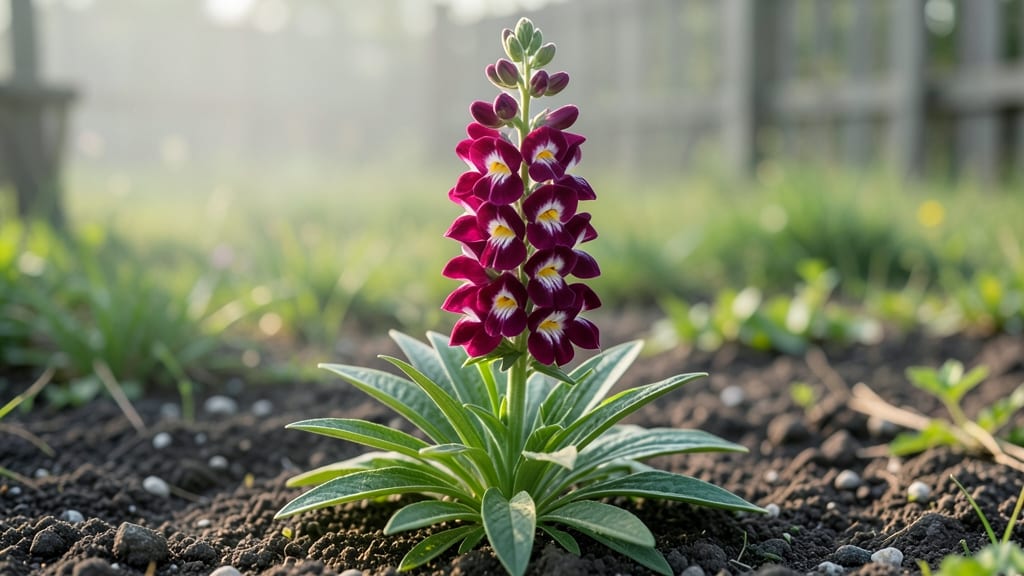
Snapdragon flower height can transform your garden from a sea of uniform blooms to a layered masterpiece—ranging from 6-inch dwarfs to 4-foot giants.
If you're dreaming of vibrant vertical gardens or compact window boxes, snapdragons offer stunning height diversity—but choosing the right variety for your space and climate makes all the difference.
Dwarf varieties fit snugly in containers or edging, while taller types create dramatic backdrops. The key? Understanding how variety, soil, and sunlight influence growth so you can plan spacing and design with confidence.
In this guide, I’ll break down exact height ranges, zone-specific tips, and simple tricks to manage height naturally—so your snapdragons 🌸 thrive exactly where you want them.

Snapdragon height varieties: from dwarf to giant (with exact measurements)
Choosing the right snapdragon height transforms your garden from cluttered to curated. Whether you're tucking them into window boxes or creating a dramatic backyard border, knowing exact mature heights helps you plan spacing and maximize visual impact.
From 6-inch dwarfs perfect for containers to 4-foot giants that anchor perennial beds, snapdragons adapt to any design vision.
Height isn't just about aesthetics—it directly affects plant spacing, sunlight exposure, and even pollinator attraction. A tall snapdragon variety like 'Black Prince' (36-48 inches) needs room to avoid shade competition, while a dwarf snapdragon like 'Tom Thumb' (6-12 inches) thrives in crowded containers.
Let's break down the exact measurements and spacing rules for each category.
Comparison Table: Snapdragon Height Varieties
| Variety Type | Mature Height | Ideal Spacing (inches) | Best Uses | Example Varieties |
|---|---|---|---|---|
| Dwarf | 6-12 inches | 6-8 inches apart | Window boxes, fairy gardens, container gardens | 'Tom Thumb', 'Pocket Rocket' |
| Semi-Dwarf | 12-18 inches | 8-12 inches apart | Border edges, hanging baskets, cottage gardens | 'Matrix', 'Little One' |
| Standard | 18-24 inches | 12-16 inches apart | Cut flower beds, mixed borders, pollinator gardens | 'Rocket', 'Hot Shot' |
| Tall | 24-36 inches | 16-20 inches apart | Back of borders, cut flower arrangements, tall planters | 'Black Prince', 'Freedom' |
| Giant | 36-48 inches | 20-24 inches apart | Dramatic focal points, cottage garden centers, cut flower fields | 'Monarch', 'Giant Imperial' |
For container gardening, dwarf varieties like 'Tom Thumb' (6-12 inches) are ideal—plant 3-5 per 12-inch pot. Their compact size makes them perfect for balcony gardens where space is limited.
The key is matching pot size to plant height: a 12-inch pot works for dwarfs, while 18-inch pots suit semi-dwarfs.
Taller varieties like 'Black Prince' (36-48 inches) need sturdy support in windy areas. I stake mine with bamboo stakes at planting time to prevent flopping. These giants also benefit from well-draining soil to support their heavier blooms.
If you're growing them in USDA Zone 5 or colder, choose early-blooming varieties to avoid frost damage.
Height affects bloom time too. Dwarf snapdragons often flower earlier (60-70 days), while giants take 80-90 days. This means you can stagger plantings for continuous color. For example, mix 'Tom Thumb' (early) with 'Monarch' (late) in the same bed for a season-long display.
Pro tip: Use height to create visual layers. Place tall varieties (36+ inches) at the back, medium (18-24 inches) in the middle, and dwarfs (6-12 inches) at the front. This technique works beautifully in raised beds and flower borders.
For example, I pair 'Giant Imperial' (48 inches) with 'Matrix' (18 inches) and 'Pocket Rocket' (6 inches) in my perennial garden for a dramatic, cascading effect.
If you're growing snapdragons for cut flowers, prioritize taller varieties like 'Freedom' (30 inches) or 'Rocket' (24 inches). Their sturdy stems hold up better in arrangements. For container arrangements, dwarf varieties create charming centerpieces—just snip stems at a 45-degree angle to extend vase life.
One common mistake is over
Best snapdragon heights for your USDA hardiness Zone (and how to maximize growth)
Your USDA hardiness zone plays a critical role in selecting the perfect snapdragon height for your garden. In cooler zones like 3-5, dwarf varieties thrive, while warmer zones 6-10 support taller, more dramatic snapdragons. The key is matching mature height with your climate's growing season length and sunlight intensity.
For example, Zone 3-5 gardeners should focus on 6-12 inch dwarfs like 'Pocket Rocket' series, which mature quickly in short seasons. Meanwhile, Zone 7-10 can handle 3-4 foot giants like 'Black Prince' that need extended warmth.
Let's break down the best height choices by zone and how to maximize their growth potential.
| USDA Zone | Best Height Range | Sunlight Needs | Soil Prep Tip | Seasonal Height Boost |
|---|---|---|---|---|
| 3-5 | 6-12" dwarfs | 6+ hours full sun | Add compost for warmth | Use black fabric mulch |
| 6-7 | 18-24" mediums | 6-8 hours sun | Mix in perlite for drainage | Side-dress with worm castings |
| 8-10 | 36-48" giants | 8+ hours full sun | Test pH 6.5-7.0 | Fertilize monthly with 5-10-10 |
In Zone 3-5, prioritize early-blooming varieties that reach 6-12 inches height. These compact plants benefit from black fabric mulch which absorbs heat and extends the growing season by 2-3 weeks.
I've found 'Tom Thumb' series thrives when planted in well-draining containers with added perlite to prevent winter soil compaction.
For Zone 6-7, medium-height snapdragons like 'Matrix' series (18-24 inches) perform best with 6-8 hours of sunlight. These varieties respond well to side-dressing with worm castings every 4 weeks during peak bloom. Staking becomes essential in late summer when 30+ mph winds can cause flopping in taller varieties.
In warmer zones 8-10, giant snapdragons like 'Black Prince' (36-48 inches) require 8+ hours of full sun and monthly fertilization with balanced 5-10-10. I recommend deep watering at soil level rather than overhead to prevent fungal issues in humid climates.
These tall varieties need strong support stakes installed at planting to prevent stem breakage.
Remember that seasonal height adjustments are possible through pruning. For example, pinching back 6-inch dwarfs in Zone 3 can encourage bushier growth, while tall varieties in Zone 10 benefit from topping to prevent legginess. The key is observing your plants' natural growth patterns and adjusting care accordingly.
No matter your zone, always space plants according to mature height—dwarfs need 6-8 inches apart, while giants require 18-24 inches of space. This prevents overcrowding and ensures each plant gets adequate air circulation and sunlight for optimal height development. 🌸