
Blooming
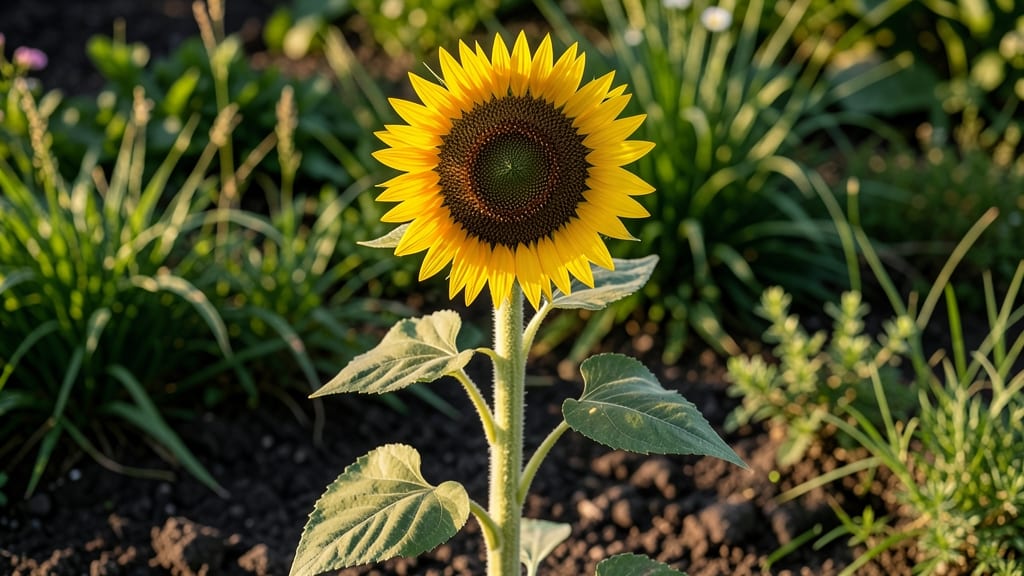
Sunflowers have a sunflower flowering time that typically ranges between 60 and 120 days after planting, depending on the variety and growing conditions 🌻 — but that window can shift dramatically with climate, soil, and care.
Picture this: you’ve spent weeks watching your sunflower seedlings stretch toward the sky, only to wonder why they’re taking their sweet time to flower. The truth? Some varieties burst into bloom in as little as 50 days, while giants like Mammoth can take nearly four months.
Knowing these timelines helps you plan for the best harvest window and avoid disappointment.
Climate plays a huge role—cool, short summers in USDA Zone 6a may delay flowering, while warm regions can speed it up. Even the time of year matters: planting in late spring (April–May) gives sunflowers the ideal growing season, but a late summer start might cut their bloom time short.
Below, I’ll break down exactly when to expect flowers by variety, how to adjust for your climate, and 5 simple tricks to encourage faster blooms—so you can enjoy those towering faces by midsummer.
Sunflower flowering time by variety: exact days from seed to bloom
If you're planning a sunflower garden, timing is everything! Sunflowers vary dramatically in flowering time, with some blooming in as little as 45 days and others taking 120 days or more. The key difference?
Variety, size, and growing conditions. Dwarf varieties like Teddy Bear often bloom faster, while giant types like Mammoth take longer to reach their towering heights and vibrant blooms. Let's break down the exact timelines so you can plan your garden for a continuous display of sunflower beauty.
Most sunflower varieties follow a predictable growth pattern: seed germination (5–10 days), vegetative growth (30–60 days), and flowering (10–30 days after the first buds appear). However, tall varieties prioritize height over blooming, while dwarf and semi-dwarf types focus on early flowers.
Understanding these differences helps you choose the right varieties for your garden timeline and climate zone.
Here’s a quick comparison of popular sunflower varieties and their average flowering times from seed to bloom. These timelines assume ideal growing conditions: full sun exposure, well-draining soil, and consistent watering. Adjustments may be needed based on your local climate.
| Variety | Type | Height (ft) | Days to Bloom | Best For |
|---|---|---|---|---|
| Mammoth | Giant | 10–15 | 90–120 | Cut flowers, tall gardens |
| Teddy Bear | Dwarf | 2–4 | 45–60 | Containers, borders |
| ProCut | Semi-Dwarf | 4–6 | 60–80 | Cut flowers, arrangements |
| Velcro | Dwarf | 2–3 | 50–70 | Pollinator gardens |
| Autumn Beauty | Standard | 6–8 | 70–90 | Season-long color |
| Russian Giant | Giant | 12–16 | 100–130 | Statement plants |
For fast blooms, dwarf varieties like Teddy Bear and Velcro are my top picks. They reach their full bloom in just 45–70 days, making them perfect for early summer displays or container gardens.
These varieties also thrive in small spaces and are ideal for beginner gardeners who want quick results. If you're growing them in containers, choose varieties under 3 feet tall to avoid toppling over.
On the opposite end of the spectrum, giant sunflowers like Mammoth and Russian Giant take 90–130 days to bloom. Their towering heights (up to 16 feet) and large flower
How climate Zones affect sunflower flowering time: cold vs. warm regions
Sunflowers thrive in warm climates, but their flowering time varies dramatically between USDA hardiness zones. In cold regions (Zones 1-5), sunflowers planted too early may face frost damage and delayed blooms, while warm regions (Zones 6-11) allow for faster growth and earlier flowers.
Understanding these differences helps you adjust planting schedules for optimal bloom timing.
In Zone 5 or colder, most sunflower varieties take 90-120 days to flower when planted after the last frost. However, late summer plantings in these zones may not bloom before frost arrives. Meanwhile, Zones 7-10 often see blooms in 60-90 days due to extended growing seasons and milder winters.
Here’s how climate zone impacts sunflower flowering time, including frost sensitivity and planting adjustments:
In cold regions, I recommend planting dwarf varieties like 'Moulin Rouge' (70 days) to avoid frost damage. These types bloom faster and are less likely to be cut short by early freezes.
For warm climates, taller varieties like 'Mammoth' (120 days) thrive with consistent moisture and full sun.
Adjust your planting schedule based on your last frost date. In Zones 1-5, wait until soil temperatures reach 50°F (10°C) before sowing. In Zones 6-11, you can plant as early as February for spring blooms or August for fall color.
Always monitor soil moisture and sunlight exposure—sunflowers in shady conditions or drought-stressed soil may take 2-3 weeks longer to bloom. With the right adjustments, you can enjoy vibrant sunflowers nearly year-round, regardless of your climate zone. 🌻