
Container Gardens
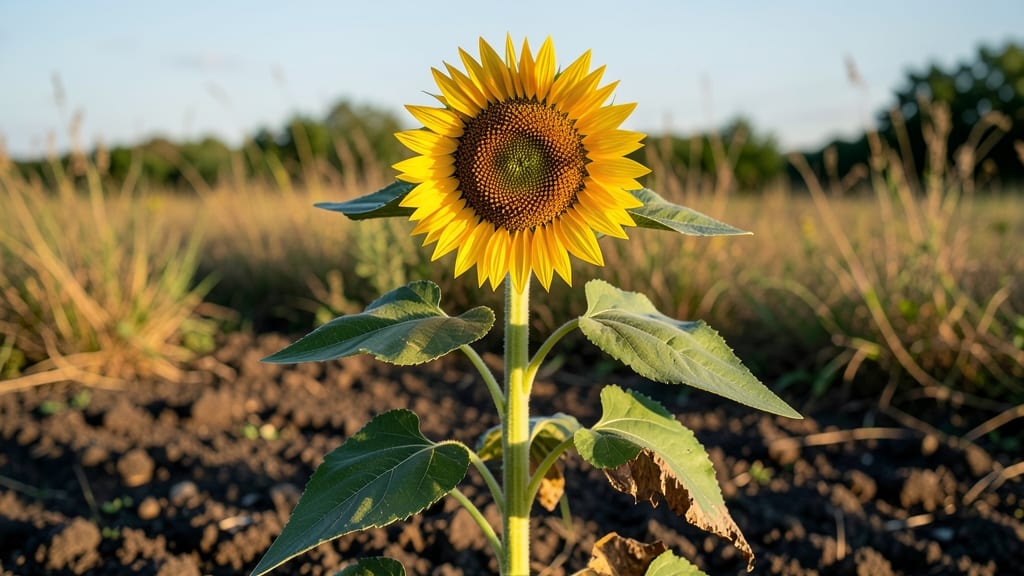
Growing sunflowers 🌻 at their tallest and most vibrant starts with knowing your exact growing season—because planting too early or late can mean the difference between a towering masterpiece and a sad, stunted plant.
Want sunflowers that tower over your garden with vibrant blooms? Timing your planting to your hardiness zone is the secret weapon—miss the window, and you’ll end up with stunted stems and underwhelming flowers.
In Zone 6a, where I garden, the sweet spot is April to May, after the last frost, but the rules shift dramatically if you’re in Florida or Alaska.
Below, I’ll break down the best months to plant by zone, how to stretch your season for nonstop blooms, and the simple tricks to avoid common mistakes that cut your sunflowers short.
You’ll learn how to read your soil, when to fertilize for maximum height, and even how to grow them in containers—because these giants don’t need a backyard to shine.
Exact sunflower planting months by USDA hardiness zone for maximum height
Timing your sunflower planting to your USDA hardiness zone is the key to growing those towering stems and vibrant blooms you dream of. Sunflowers are frost-sensitive, so planting too early can stunt growth, while waiting too long may result in shorter plants.
Let's break down the perfect planting windows for each zone to ensure your sunflowers reach their full height potential.
Sunflowers thrive in warm soil with temperatures above 55°F (13°C). They need a long, frost-free growing season—typically 70-120 days—to mature. In cooler zones, start seeds indoors or use black plastic mulch to warm the soil faster.
In warmer zones, focus on succession planting to avoid summer heat stress.
Below is your zone-by-zone planting calendar, including exact months for direct sowing and transplanting, plus ideal soil temperatures. Use this as your guide to maximize height and bloom size!
| USDA Zone | Direct Sowing Month | Transplant Month | Soil Temp (°F) | Frost-Free Days | Height Potential |
|---|---|---|---|---|---|
| Zones 2-4 | Mid-May to June 1 | Start indoors April 1 | 60-65°F (15-18°C) | 90-110 days | 6-10 ft |
| Zones 5-6 | Late April to May 15 | Start indoors March 15 | 55-60°F (13-15°C) | 100-120 days | 8-12 ft |
| Zones 7-8 | March 15 to April 30 | Not needed | 60-65°F (15-18°C) | 110-130 days | 10-14 ft |
| Zones 9-10 | January to February | Not needed | 65-70°F (18-21°C) | 70-90 days | 6-10 ft (heat-sensitive) |
| Zone 11 | October to November | Not needed | 70-75°F (21-24°C) | 60-80 days | 4-8 ft (short season) |
For Zones 2-4, where winters are harsh, use row covers or greenhouses to extend your growing season. Plant dwarf varieties like 'Teddy Bear' if your season is short—these reach 3-5 feet tall but still produce
How to extend your sunflower growing season for continuous blooms
Sunflowers are summer's showstoppers, but their growing season doesn't have to end with the first frost. With the right strategies, you can enjoy continuous blooms from early spring to late fall.
The key lies in succession planting, heat-tolerant varieties, and smart soil preparation to push your sunflowers beyond their typical 3-month window.
For gardeners in warmer climates (Zones 8-11), heat-tolerant varieties like 'Autumn Beauty' or 'Moulin Rouge' thrive well into October. Meanwhile, cooler-zone growers can start seeds indoors or use row covers to extend harvests into November. Let's explore the proven methods to keep your sunflowers blooming all season long.
- 🌱 Succession Planting: Sow seeds every 2-3 weeks from spring to early summer for staggered blooms.
- 🌡️ Heat-Tolerant Varieties: Choose 'Russian Giant' or 'ProCut' for southern climates (Zones 8-11).
- 🌱 Cold Frame Protection: Use row covers or cloches to delay frost damage in fall.
- 💧 Deep Soil Prep: Amend soil with compost and organic matter to improve root depth.
- 🌿 Companion Planting: Pair with basil or marigolds to deter pests and extend vigor.
Start with succession planting—the simplest way to ensure blooms all season. In early spring, sow your first batch of seeds, then repeat every 2-3 weeks until mid-summer. This staggered approach ensures you always have new sunflowers reaching maturity while others are still in bloom.
For example, plant 'Teddy Bear' dwarf varieties in May and 'Russian Giant' in June for a cascading display.
In southern zones (8-11), heat becomes the limiting factor rather than cold. Opt for heat-tolerant varieties like 'Autumn Beauty', which blooms prolifically in 90°F+ temperatures. These varieties also handle dry spells better than traditional types, making them ideal for extended seasons.
Pair them with deep watering (1-2 gallons per plant) every 5-7 days during heatwaves to maintain their towering growth.
For cooler climates, row covers or cold frames can push your harvest window back by 4-6 weeks. Install covers when nighttime temperatures drop below 50°F, protecting young plants from frost while still allowing sunlight.
Remove covers during the day to prevent overheating. This method works especially well with short-season varieties like 'Moulin Rouge', which matures in just 50-60 days.
Don't overlook the power of soil preparation. Sunflowers thrive in well-draining, nutrient-rich soil with a pH of 6.0-7.5. Before planting, mix in 2-3 inches of compost and a balanced fertilizer (10-10-10) to encourage deep root growth.
Deep roots mean better water and nutrient uptake, helping plants withstand early spring chills or late summer heat.
Finally, companion planting can boost your sunflowers' resilience. Pair them with basil to repel pests like aphids and marigolds to deter nematodes. These companions also improve soil health, creating an environment where sunflowers can thrive longer.
With these strategies, your garden could enjoy sunflowers in bloom from June through October—or even November! 🌻