
Light Requirements
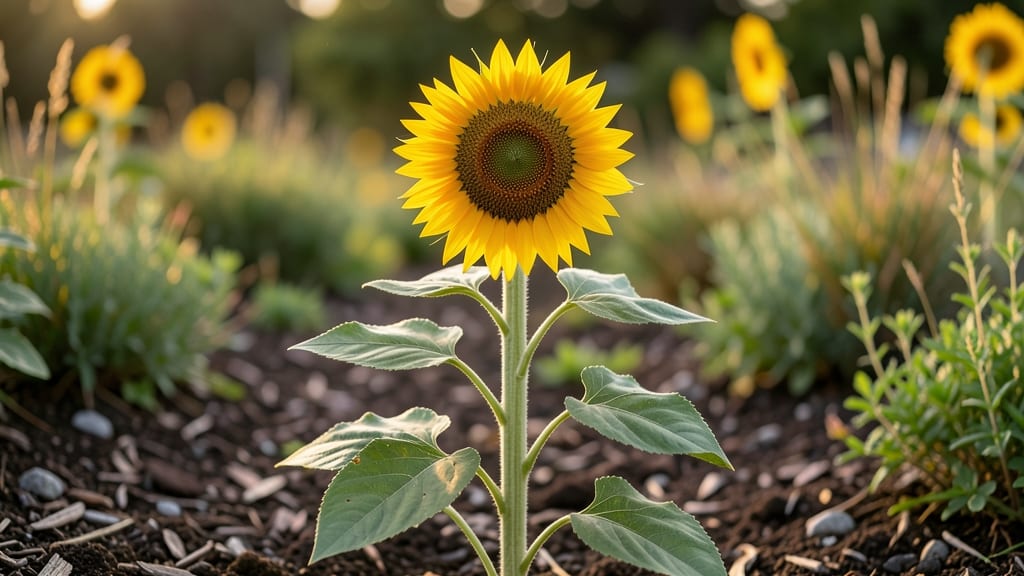
Sunflowers thrive best when you meet their sunflower sunlight requirements—they need 6 to 8 hours of sunlight daily to grow tall and strong 🌻—any less, and you’ll end up with leggy stems and sad blooms.
Picture this: you’ve just planted your sunflower seeds, dreaming of towering golden stalks by summer. But if they’re not getting enough light, those dreams might wilt faster than you think.
Without proper sunlight, your sunflowers won’t just stay short—they’ll struggle to develop the vibrant petals and sturdy stems that make them so iconic.
Most gardeners assume sunflowers can handle a little shade, but the truth is, these plants are sun-worshippers. They thrive in full sun, and even partial shade can lead to weak growth or no flowers at all.
Whether you’re planting in your backyard, a container on a balcony, or an urban garden, knowing how to position them for maximum light is key.
In this guide, I’ll break down exactly how much sunlight sunflowers need, how to spot signs of light deprivation, and even which varieties can handle a little less sun.
By the end, you’ll know exactly how to give your sunflowers the light they crave for bigger blooms and stronger stems.


How many hours of sunlight do sunflowers need daily?
Sunflowers thrive under the sun’s brightest rays, but their sunlight requirements are often misunderstood. While they can tolerate some flexibility, 6 to 8 hours of direct sunlight daily is the golden rule for optimal growth and those iconic towering blooms.
Without enough light, your sunflowers may grow leggy, pale, or fail to produce flowers altogether. Let’s break down exactly how much sun they need—and how to give them the perfect light conditions.
Sunflowers are heliotropic, meaning they follow the sun’s movement throughout the day. This behavior isn’t just charming—it’s a sign of their photosynthesis efficiency. When exposed to full sun, their leaves absorb maximum energy, fueling rapid growth and robust flower development.
Even dwarf sunflowers, which are often recommended for containers or small gardens, benefit from at least 5-6 hours of sun to thrive.
But what happens when sunlight is limited? Partial shade can stunt growth, weaken stems, and reduce flower size. In extreme cases, sunflowers may not even produce blooms. The key is understanding your garden’s light conditions and adjusting your sunflower varieties accordingly.
Let’s explore the ideal sunlight scenarios and how to optimize growth for your specific situation.
For standard sunflowers, like the classic Mammoth variety, aim for 8+ hours of sunlight to achieve their full height potential—some varieties can reach 10 to 16 feet tall! These giants need all the energy they can get to support their massive stems and vibrant blooms.
If you’re growing sunflowers in containers or urban gardens, prioritize south-facing spots where they’ll receive the most direct light.
If your garden only offers partial shade, consider dwarf sunflowers, such as Teddy Bear or Sunspot varieties. These compact plants can tolerate 4-5 hours of sun daily and still produce cheerful blooms. However, even dwarf varieties will perform best with as much sunlight as possible.
Think of partial shade as a compromise—your sunflowers won’t reach their peak, but they’ll still add color and charm to your space.
One common mistake is assuming that morning sun alone is sufficient. While morning sunlight is gentler and less likely to cause leaf scorch, sunflowers need intense midday rays to fuel their growth.
If your garden only gets morning sun, pair it with a few hours of afternoon light for the best results. For example, placing sunflowers near a south-facing fence or wall can extend their sunlight exposure significantly.
In urban environments or areas with limited space, you might need to get creative. Reflective surfaces, like white walls or light-colored mulch, can bounce extra light onto your sunflowers, effectively increasing their sunlight exposure.
Additionally, using grow lights for a few hours in the evening can supplement natural light, especially during cloudy periods or early spring planting.
Scientifically speaking, sunflowers rely on chlorophyll in their leaves to convert sunlight into energy through photosynthesis. The more direct sunlight they receive, the more efficiently they can produce glucose and oxygen, which fuels their rapid vertical growth.
Without adequate light, their photosynthesis rate drops, leading to weaker stems, smaller leaves, and fewer (or no) flowers. This is why even a slight reduction in sunlight can dramatically alter your sunflowers’ appearance and productivity.
To maximize your sunflowers’ potential, observe your garden’s sunlight patterns throughout the day. Use a sunlight tracker app or simply mark the sunniest spots with stakes. If you notice your sunflowers leaning toward the light, it’s a sign they’re light-deprived.
Rotate the pot or transplant them to a sunnier location immediately. Remember
Signs your sunflowers aren’t getting enough sunlight (and how to Fix it)
Sunflowers are sun-worshippers by nature, and when they don’t get enough light, their growth suffers dramatically. If your plants are stunted, leggy, or producing small, pale blooms, sunlight deprivation is likely the culprit.
Recognizing these signs early can save your sunflowers from underperforming—and even prevent them from flowering at all.
One of the first clues is weak, spindly stems that stretch upward in search of light. These etiolated (overly elongated) stems are a classic sign of insufficient sunlight, as the plant prioritizes reaching for light over strengthening its structure.
You might also notice small, underdeveloped leaves that are lighter green than usual, lacking the deep, vibrant hue of healthy foliage.
🌻
⚠️ Sunflower Sunlight Emergency!
Sunflowers need 6-8 hours of direct sunlight daily. Without it, they’ll:
- Stunt growth (plants stay <1/3 their potential height)
- Produce tiny, pale blooms (or no flowers at all)
- Develop weak stems prone to snapping in wind
- Grow leggy with sparse foliage
💡 Fix it fast: Move plants to sunnier spots or supplement with grow lights (12+ hours/day).
Another red flag is delayed or absent flowering. Sunflowers need ample sunlight to trigger bolting (the process of sending up a flower stalk). If your plants are putting out long stems with no buds or taking far longer than expected to bloom, they’re likely light-starved.
Even if buds eventually form, they may be smaller and less vibrant than their sun-soaked counterparts.
Check the orientation of your sunflowers—if they’re all leaning in the same direction, they’re bending toward the nearest light source.
This phototropic response is their way of maximizing exposure, but it also weakens their structure. Weak stems are more prone to breaking, especially in windy conditions, and may even flop over under the weight of their own blooms.
To revive sunlight-deprived sunflowers, start by relocating them immediately to the sunniest spot in your garden. If your yard lacks sufficient sunlight, consider container gardening on a south-facing patio or balcony.
For indoor sunflowers, place them near a south-facing window or use LED grow lights (12-16 hours/day) to mimic sunlight.
If moving isn’t an option, thin out nearby plants to reduce competition for light. Sunflowers need 12-24 inches of space between plants—crowding forces them to compete for sunlight, worsening deficiency symptoms.
Finally, prune leggy stems to encourage bushier growth, but avoid cutting into the flower buds if they’ve already formed.
☀️