
Blooming
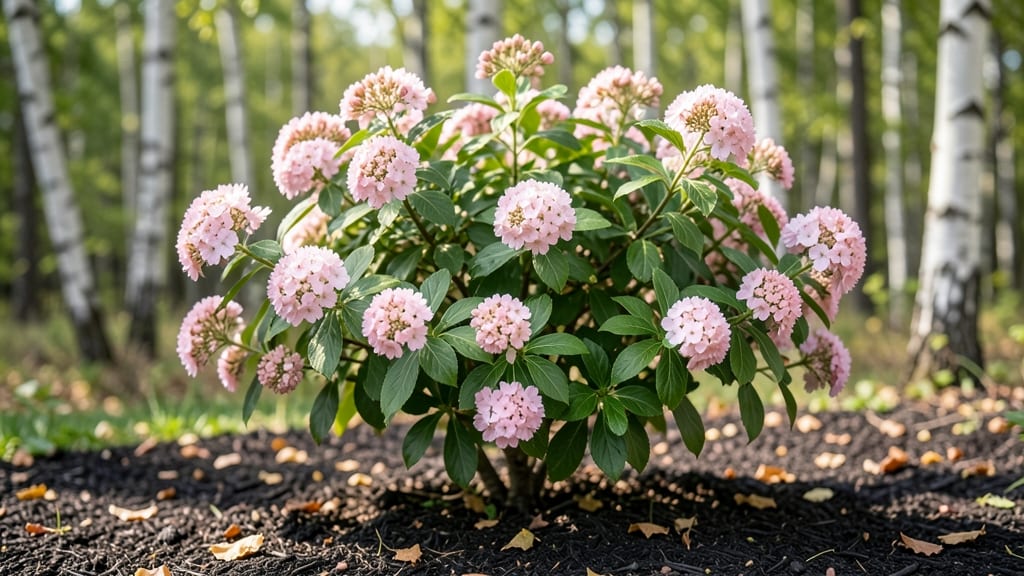
Viburnum flowering time varies dramatically by variety, but knowing the right schedule ensures your garden bursts into color at the perfect moment 🌸—especially for cold-hardy types that reward patience with stunning displays.
Timing your viburnum blooms correctly means the difference between a stunning spring display and missed floral splendor—especially for cold-hardy varieties that thrive in tough climates.
Whether you're eyeing early bloomers like Viburnum bodnantense or waiting for the dramatic clusters of V. plicatum, a few key adjustments can extend your blooming season by weeks.
Most viburnums follow a predictable rhythm: spring bloomers like V. carlesii (Korean Spice) burst into fragrance as early as February in warmer zones, while late spring varieties like V. plicatum (Snowball Bush) wait until April or May.
But regional differences—like a 3-week shift between zones 3 and 6—mean your neighbor’s timeline might not match yours.
In this guide, I’ll break down the exact bloom windows for your zone, share pruning secrets to coax extra weeks of flowers, and highlight the top 3 cold-hardy varieties that deliver the longest, most reliable shows. Let’s make sure your viburnum steals the spotlight every season.
When do Viburnum shrubs flower in spring? Month-by-month bloom schedule
Viburnum shrubs are prized for their stunning spring blooms, but the timing varies dramatically between varieties. Some burst into flower as early as late February, while others wait until May. Knowing your viburnum's bloom schedule helps you plan for seasonal color and fragrance.
Cold-hardy varieties like Viburnum bodnantense and V. carlesii are especially rewarding in zones 3-7, where they thrive despite harsh winters.
Your USDA zone plays a critical role in bloom timing. In zone 3, expect flowers to appear 2-3 weeks later than in zone 7. For example, Viburnum plicatum (Snowball Bush) typically blooms in late April in zone 5, but may wait until early May in colder regions.
Understanding these regional shifts ensures you don't miss the floral spectacle.
Early spring is the peak season for most viburnums, but some varieties offer fall blooms too. The key is matching your plant selection to your local climate. Let's break down the month-by-month schedule for the most popular cold-hardy viburnums:
| Variety | Bloom Period | Zone 3 Timing | Zone 7 Timing | Notes |
|---|---|---|---|---|
| Viburnum bodnantense (Winterthur) | Late February - March | March 15-30 | February 20-March 10 | Early bloomer with fragrant pink flowers |
| Viburnum carlesii (Korean Spice) | March - Early April | April 1-15 | March 15-April 5 | Highly fragrant, pink buds opening to white |
| Viburnum plicatum (Snowball Bush) | Late April - Early May | May 1-15 | April 15-May 5 | Large white flower clusters, layered branches |
| Viburnum lantana (Wayfaring Tree) | May - June | May 15-June 10 | May 1-June 5 | Late bloomer with flat-topped clusters |
| Viburnum opulus (Cranberry Bush) | June - July | June 10-July 5 | May 20-June 15 | Also produces edible berries in fall |
If you're in zone 3 or 4, focus on early bloomers like Viburnum bodnantense and V. carlesii for the earliest color. These varieties often bloom while snow still lingers, creating a dramatic contrast.
In zone 5 and warmer, you can extend your display by planting a mix of early, mid-, and late spring varieties.
For gardeners in zone 6-7, consider adding Viburnum rhytidophyllum (Leatherleaf Viburnum), which blooms in late April and offers both spring flowers and fall foliage interest. Its glossy leaves provide year-round appeal, making it a versatile choice for mixed borders.
Timing isn't just about the calendar—it's also about your microclimate. A south-facing slope will warm up faster than a north-facing yard, potentially advancing bloom time by 1-2 weeks.
Similarly, urban areas with heat islands may see earlier flowering compared to rural settings. Pay attention to your specific conditions to fine-tune your expectations.
To maximize your viburnum's flowering potential, pair it with companion plants that bloom at different times. For example, plant heather or winter daphne nearby to extend your early spring color show. This
How to extend Viburnum flowering time with pruning and care tips
Viburnums are prized for their stunning floral displays, but many gardeners miss out on extended blooms because of poor pruning timing or neglected care.
The key to longer flowering seasons lies in understanding when and how to prune, along with soil and fertilizer adjustments tailored to your specific viburnum variety. With the right approach, you can transform a single burst of color into weeks of fragrant, show-stopping blooms.
Most viburnums bloom on old wood, meaning last year's growth produces this year's flowers. This makes late-spring pruning critical—cutting too early risks removing next season's buds. However, some varieties like Viburnum plicatum (Snowball Bush) bloom on new wood, offering more flexibility.
Knowing your plant's blooming habit is step one to extending its display.
- 1 Prune after flowering (May-June for spring bloomers) to avoid cutting off next year's buds. Use clean, sharp bypass pruners to make 45-degree cuts just above outward-facing buds.
- 2 Fertilize in early spring with a balanced 10-10-10 formula to encourage robust growth. Avoid high-nitrogen fertilizers, which promote foliage over flowers. Apply 1 tbsp per plant and water deeply afterward.
- 3 Mulch heavily in fall (3-4 inches) with organic matter like wood chips or compost. This protects tender roots and retains moisture, which is crucial for spring blooming in colder climates (USDA zones 3-5).
- 4 Water deeply in drought (every 7-10 days) to prevent bud drop. Viburnums are drought-tolerant once established, but consistent moisture during bud formation (late summer to early fall) ensures bigger, longer-lasting blooms.
- 5 Thin dense growth every 2-3 years to improve air circulation. Remove crossing branches and suckers at the base, which divert energy from flowering. Aim for an open, vase-like shape to maximize light penetration.
For tender viburnums like Viburnum farreri or Viburnum bodnantense (Winterthur), winter protection is non-negotiable. In zones 5-7, wrap the base with burlap or straw mulch and consider a lightweight frost cloth for young plants.
These varieties often bloom in late winter or early spring, so shielding them from late-season cold snaps can mean the difference between a full display and frost-damaged buds.
Soil pH also plays a surprising role in bloom duration. Most viburnums prefer slightly acidic to neutral soil (pH 6.0-7.0). Test your soil in early spring and amend with lime (to raise pH) or sulfur (to lower pH) as needed.
A well-draining, loamy soil rich in organic matter ensures your viburnum isn't struggling to access nutrients, which directly impacts floral production.
With these strategies, you can extend your viburnum's flowering season by 2-4 weeks, turning a fleeting spring spectacle into a prolonged garden highlight. The secret? Timing your pruning, feeding strategically, and protecting your plant through winter—all while keeping an eye on soil health.
Your viburnum will reward you with longer, more abundant blooms year after year.