
Blooming
Winter-blooming flowers in Florida bring vibrant color even when temperatures dip 🌱—these hardy varieties turn your garden into a winter wonderland without the fuss.
You don’t need to wait for spring to enjoy blooms in Florida’s mild winters. Many flowers not only survive but thrive during the cooler months, offering everything from delicate petals to bold hues that brighten up gray days.
The key is choosing varieties that match your region—whether you’re near the coast or inland—so you can enjoy long-lasting blooms with minimal extra care. Below, I’ll share the top cold-hardy flowers that keep your garden lively all winter long.
From camellias to snapdragons, these plants are built to handle Florida’s winter chill while still putting on a stunning show. Learn which ones work best in your area and how to keep them looking their best.
Top 10 cold-hardy winter flowers that thrive in Florida’s climate
Florida’s mild winters create the perfect opportunity to enjoy vibrant blooms when many gardens lie dormant. These cold-hardy winter flowers not only survive but thrive in temperatures that would challenge other plants.
From fragrant camellias to cheerful pansies, these varieties bring color and life to your landscape from December through March. The key is selecting plants that tolerate Florida’s USDA Zones 8b-10, with some even handling brief cold snaps below freezing.
What makes these flowers special? They combine drought tolerance, low-maintenance care, and stunning visual impact. Many also attract pollinators, adding ecological benefits to your winter garden. Whether you’re a seasoned gardener or just starting, these resilient plants will reward you with months of beauty with minimal effort.
Let’s explore the top performers that turn Florida’s winter into a blooming season.
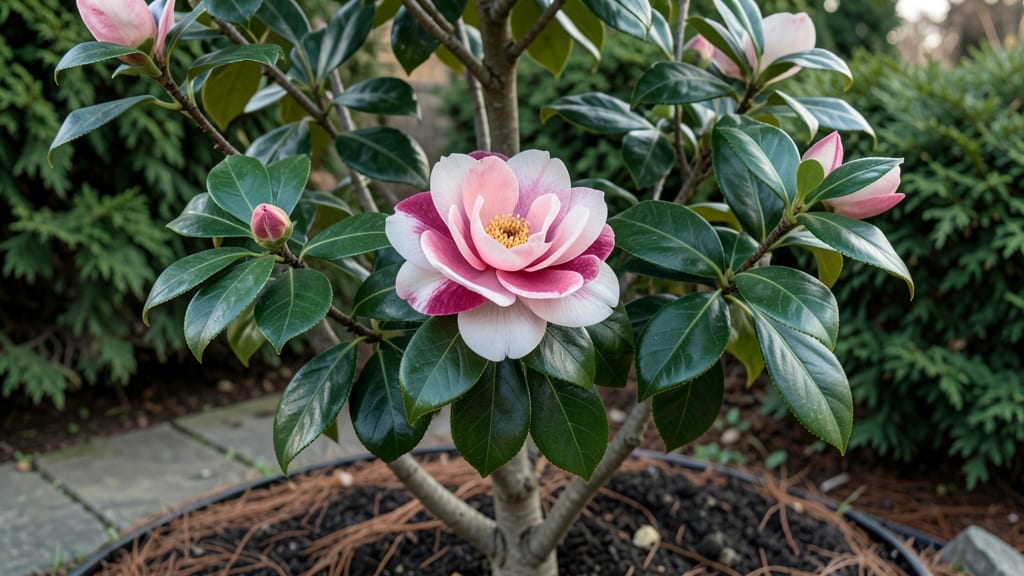
Camellias stand out as the queens of winter blooms in Florida, offering lush, long-lasting flowers that range from delicate pinks to deep reds. These evergreen shrubs thrive in partial shade and can handle brief dips to 25°F.
For best results, plant them in acidic, well-draining soil and prune immediately after flowering to encourage new growth. Varieties like 'Sasanqua' bloom from fall through winter, while 'Japonica' types shine in late winter.
Azaleas bring bursts of color with their
How to extend winter blooms: planting and care tips for Florida gardens
Florida’s mild winter temperatures create the perfect opportunity to enjoy vibrant blooms when other gardens fade. The key to extending winter flowers lies in proper planting techniques and seasonal care adjustments that protect delicate varieties while encouraging robust growth.
With the right approach, you can transform your garden into a winter wonderland that lasts from December through March.
Start by selecting cold-hardy varieties that thrive in Florida’s USDA Zones 8b-11. These plants naturally resist frost and require minimal intervention. Pair this with well-prepared soil and strategic watering to create an environment where winter blooms not only survive but flourish.
Let’s explore the essential steps to maximize your winter garden’s potential.
- 1. Plant in late fall (Oct-Nov) for early winter blooms. This gives roots time to establish before cold snaps. Pansies and snapdragons are excellent choices.
- 2. Use mulch (2-3 inches) to insulate roots and retain moisture. Organic mulch like pine straw also adds nutrients as it decomposes.
- 3. Water deeply but less frequently—aim for 1 inch per week unless it rains. Morning watering prevents fungal issues from evening dampness.
- 4. Prune lightly in early winter to remove dead growth. Avoid heavy pruning until after blooming season to preserve energy for new growth.
- 5. Protect tender plants with frost cloth if temperatures dip below 28°F. Even Florida’s mild winters can surprise with unexpected cold snaps.
When preparing your soil for winter blooms, focus on improving drainage and adding organic matter. Florida’s clay-heavy soils can become compacted during winter rains, so mix in compost or aged manure to create a looser, more fertile growing medium.
Aim for a slightly acidic pH (6.0-6.5), which benefits many winter favorites like camellias and azaleas.
Sunlight needs vary by variety, but most winter bloomers prefer partial sun (4-6 hours daily). Plant sun-loving snapdragons or calendulas in spots with morning sun and afternoon shade, while shade-tolerant pansies thrive under dappled light. Observe your garden’s microclimates—north-facing areas stay cooler and may need more shade-tolerant options.
Adjust your watering schedule to match Florida’s winter patterns. While rainfall increases during the cooler months, deep watering every 5-7 days ensures roots stay hydrated without promoting fungal diseases. Use a soaker hose or drip irrigation to deliver water directly to the root zone, minimizing leaf wetness.
Always water in the early morning to allow foliage to dry before evening dew forms.
Seasonal pruning is crucial for maintaining healthy winter blooms. After the first frost (or when flowers fade), trim back dead or damaged stems to encourage new growth. For perennial varieties like coreopsis or black-eyed Susans, wait until spring to prune—this preserves their natural shape and protects winter-dormant buds.
Always use sterilized pruners to prevent disease spread between plants.