
Blooming
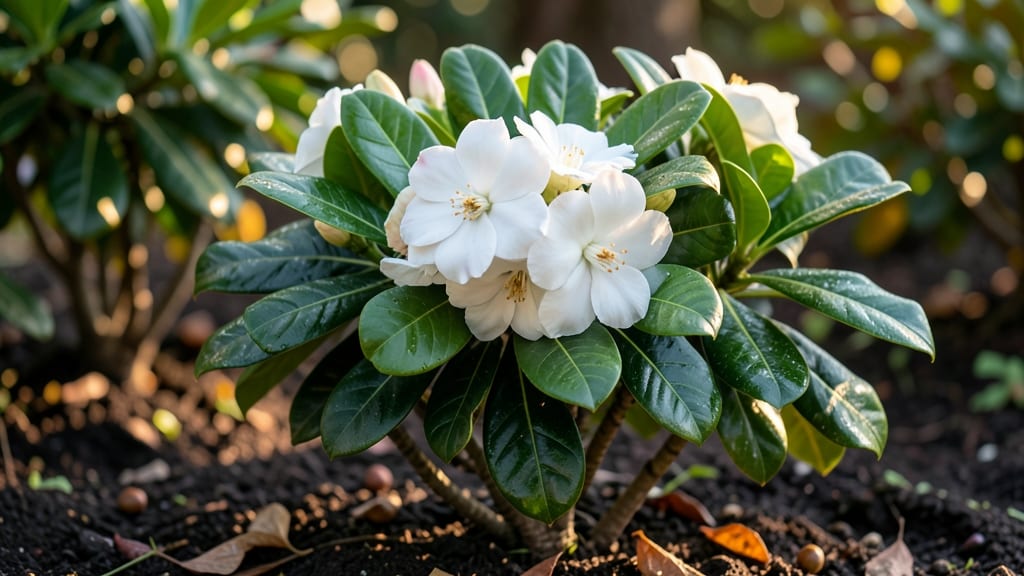
Gardenia flowers bloom in late spring through summer 🌸, with timing that shifts dramatically depending on your USDA zone and local climate.
If you’ve ever dreamed of filling your garden with the intoxicating fragrance of gardenias, timing is everything—these delicate blooms follow a strict seasonal schedule that varies dramatically by climate zone.
In cooler regions like Zone 6a, gardenias typically wait until June to open their creamy-white blossoms, while tropical varieties in Zones 9-11 may start as early as April and keep blooming through September.
Below, I’ll break down the month-by-month blooming windows, how to spot the first buds, and 5 pro tips to extend your gardenia’s flowering season—no matter where you live.
Gardenia flowering seasons by USDA hardiness Zones explained
If you’ve ever dreamed of filling your garden with the intoxicating fragrance of gardenias, timing is everything—these delicate blooms follow a strict seasonal schedule that varies dramatically by climate zone. Gardenias are divided into subtropical and tropical varieties, each responding differently to temperature and daylight cues.
Understanding your USDA hardiness zone helps predict whether your gardenia will burst into bloom in late spring or summer, or even year-round in warmer climates.
In USDA Zones 7-9, gardenias typically follow a spring-to-early summer blooming cycle, triggered by warming temperatures after the last frost. Meanwhile, Zones 10-11 often enjoy year-round or extended blooming thanks to milder winters.
The key triggers for flowering are consistent warmth (above 60°F), humidity levels, and daylight hours, which I’ll break down by zone in the table below.
Pro Tip: Gardenias bloom on old wood, meaning pruning should always happen after flowering to avoid cutting off next year’s buds. If your gardenia isn’t blooming on schedule, it might need adjustments to its light exposure or acidic soil conditions.
| USDA Zone | Blooming Season | Temperature Trigger | Daylight Needs | Variety Notes |
|---|---|---|---|---|
| Zones 7-8 | Late spring to early summer (May-June) | 60-75°F after last frost | 12-14 hours daylight | Subtropical varieties like 'Kleim’s Hardy' bloom once per year |
| Zones 9-10 | Spring and fall (March-April, Sept-Oct) | 55-80°F year-round | 10-12 hours daylight | 'Radicans' and 'Veitchii' may rebloom with proper care |
| Zone 11 | Year-round or seasonal (peaks in summer) | 70-90°F consistently | 12+ hours daylight | Tropical varieties like 'Fortuniana' bloom continuously |
In Zones 7-8, gardenias like 'Kleim’s Hardy' typically bloom once in late spring, triggered by temperatures consistently above 60°F.
These subtropical varieties rely on cool winters to reset their growth cycle, so if you’re in a warmer microclimate within these zones, your gardenia might bloom earlier or produce fewer flowers.
Gardeners in Zones 9-10 often enjoy a second blooming window in fall, especially if they provide consistent moisture and acidic fertilizer after summer. Varieties like 'Radicans' can produce two flushes of blooms if given the right conditions, though this requires careful pruning and feeding.
For those in Zone 11, gardenias are often tropical varieties that bloom year-round or in extended seasons. The 'Fortuniana' variety, for example, thrives in humid, warm climates and can produce flowers every 6-8 weeks with proper care.
However, even tropical gardenias may need a short rest period if temperatures drop below 55°F.
Light exposure plays a crucial role in blooming timing. Gardenias need 4-6 hours of morning sun but can suffer from leaf scorch in hot afternoon sun. In Zones 7-8, providing afternoon shade can help extend the blooming season by reducing stress on the plant. Meanwhile, Zones 10-11 gardenias may benefit from dappled shade to prevent overheating while still receiving enough light.
If your gardenia isn’t following the typical blooming schedule for your zone, check these three common issues: inadequate sunlight, soil pH imbalance (gardenias need acidic soil, pH 5.0-6.0), or over-fertilizing with high nitrogen, which promotes foliage over flowers.
Adjusting these factors can often coax your gardenia back into its natural blooming rhythm.
For gardeners in transition zones (like Zone 8b), where winters are mild but not consistently warm, consider mulching heavily in winter to protect roots and pruning lightly to encourage stronger blooms in spring. This balance helps mimic the cooler winters that subtropical gardenias prefer.
Remember, gardenias are heavy drinkers—especially when buds form. In <
How to predict your gardenia’s blooming time using local weather patterns
Predicting when your gardenia will bloom isn’t just about guessing—it’s a science tied to your local climate and weather patterns. These fragrant shrubs thrive on specific triggers like temperature shifts, humidity levels, and even daylight hours.
In my Zone 8 garden, for example, gardenias typically burst into bloom after the last frost in mid-April, but timing can shift by weeks depending on rain or heat waves.
Understanding these patterns helps you adjust care routines and set realistic expectations. For instance, tropical varieties (like Gardenia jasminoides) often bloom later in summer months, while subtropical types may flower as early as late spring.
If your gardenia isn’t following the typical schedule, it might need a little help—like microclimate adjustments or targeted care.
If your gardenia isn’t blooming on schedule, check these common delays:
- Late frost after buds form = buds may drop
- Low humidity (<40%) = buds fail to open
- Soil pH >6.0 = nutrient uptake drops
- Sudden heat waves (>90°F) = flowers scorch
Fix it: Test soil pH, mulch heavily, and water deeply in evening hours to protect buds.
Start by tracking your last frost date—gardenias need consistent warmth to trigger blooming. Use your local USDA Zone map as a guide: in Zones 9-11, blooms often appear in May-June, while Zones 7-8 may see flowers as late as July.
Pay attention to humidity spikes too; gardenias love 60-70% humidity to open buds fully.
Microclimates play a huge role. A south-facing wall or shady patio can create a warmer niche where gardenias bloom 2-3 weeks earlier than the rest of your yard. I once had a potted gardenia near my sunroom window that flowered in April—a full month ahead of my outdoor plants!
Monitor these microclimates to predict blooms accurately.
To nudge your gardenia into blooming on time, focus on three key adjustments:
- Water consistently—deep soaks every 3-5 days prevent stress
- Fertilize with acid-loving formulas in early spring (use 8-3-9 NPK)
- Prune lightly in fall to encourage old-wood blooms next season
With these tweaks, you’ll turn your gardenia’s blooming time from a guess into a predictable event—just in time for your next summer stroll through fragrant blooms. 🌸