
Flowers
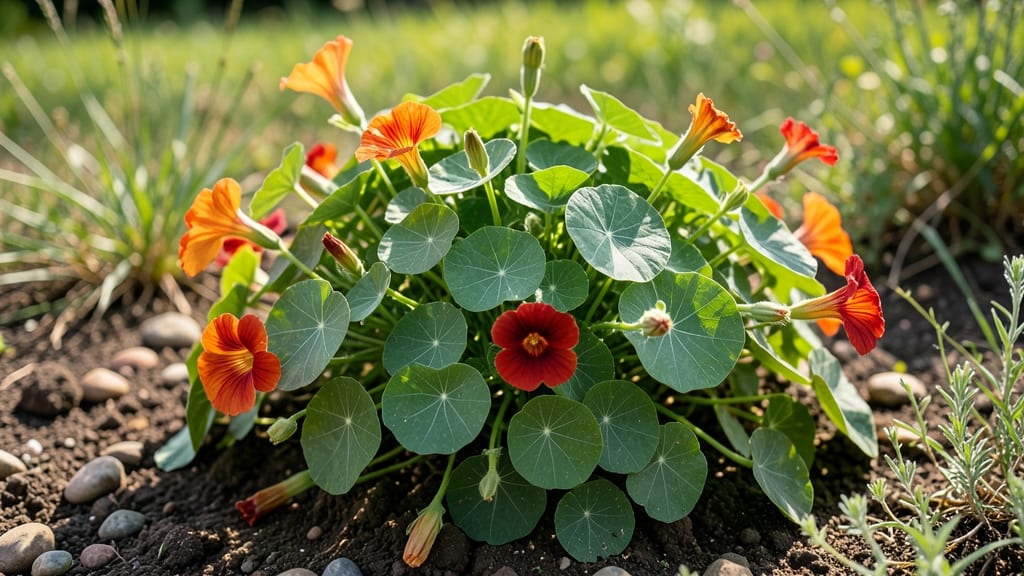
Nasturtium flowers bloom when planted in spring, typically between June and October in most U.S. regions, but their exact timing depends on your climate zone and variety.
Picture this: you’ve just tucked in your seeds after the last frost, and by early summer, your garden erupts with vibrant orange, yellow, and red blooms—but what if you’re in a cooler zone where the season feels shorter?
The answer lies in understanding how your local climate influences these cheerful 🌸 plants.
In Zone 6a, like much of the Midwest, nasturtiums often kick off blooming in June and keep it up until a hard frost in October. Warmer zones, like Zone 10, might see flowers as early as April and stretching into November.
The key? Planting at the right time and choosing varieties that match your growing season.
Below, I’ll break down the exact months to expect blooms in your area, plus pro tips to stretch your nasturtium season for nonstop color—because who doesn’t want a garden that looks like a party all year?
Nasturtium bloom timeline by USDA climate Zones: when to expect flowers
Nasturtiums are one of the most versatile annual flowers in the garden, offering edible blooms and long-lasting color from spring to frost. But their blooming timeline shifts dramatically depending on your USDA hardiness zone.
In Zone 3, expect early blooms in May, while Zone 10 gardeners enjoy flowers from March through November. Understanding these patterns helps you plan companion plantings and extend your garden's color season.
Most nasturtium varieties begin flowering 45-60 days after germination, but cooler climates delay this process. For example, 'Alaska' nasturtiums (a cold-tolerant variety) may bloom as early as April in Zone 5, while 'Empress of India (heat-loving types) thrive in Zone 9-10 and continue blooming until first frost.
Let's break down the monthly bloom windows by zone so you can time your plantings perfectly.
In Zones 3-4, nasturtiums have the shortest bloom window—typically from late May through September. This makes them perfect for early summer containers or cutting gardens.
To maximize blooms, start seeds indoors 6-8 weeks before your last frost date and use black plastic mulch to warm the soil. In my Zone 4 garden, I've found that 'Dwarf Jewel Mix' begins flowering in early June and continues until frost, providing 8-10 weeks of color.
Gardeners in Zones 5-6 enjoy the longest traditional bloom season, with flowers appearing as early as April and lasting until October. This makes nasturtiums ideal for spring borders and fall harvests. For continuous blooms, I recommend succession planting every 3-4 weeks starting in May.
In Zone 6, where I garden, my 'Alaska White' nasturtiums often rebloom after deadheading in late summer, extending their season by 3-4 weeks.
Southern gardeners in Zones 7-10 have the advantage of year-round blooming potential. In Zone 7, expect flowers from April through November, while Zone 10 gardeners can enjoy them from March to December.
The key to heat tolerance is choosing tall varieties like 'Empress of India' and providing afternoon shade during peak summer months. I've grown nasturtiums in Zone 8 containers that bloomed continuously for 10 months with minimal care!
For Zone 11 gardeners, nasturtiums are almost perennial, with blooms appearing year-round if given well-draining soil and morning sun. In tropical climates, nasturtiums may self-seed aggressively, so contain them in hanging baskets or raised beds.
I've seen 'Peach Melba' nasturtiums in Zone 11 produce flowers in January and November, creating a natural color bridge between seasons.
To extend your nasturtium season in any zone, try these proven strategies: use black plastic mulch
How to adjust planting times for earlier or later nasturtium blooms
Want your nasturtium blooms to appear earlier in spring or last well into fall? The secret lies in strategic planting and variety selection. By adjusting your planting timeline, you can shift blooming windows to match your garden's needs—whether you're chasing spring color or extending summer displays.
Most nasturtium varieties bloom 60-90 days after sowing, but cold-hardy types like 'Alaska' can flower even sooner. Urban gardeners with limited space can use container gardening to control timing perfectly, while succession planting ensures continuous blooms all season.
For earlier blooms, I recommend starting seeds indoors under grow lights 8-10 weeks before your last frost date. This gives delicate seedlings a head start and helps them outpace cooler spring temperatures.
In Zone 5 or colder, use row covers to protect young plants from late frosts while accelerating growth.
If you're aiming for late-season blooms, focus on heat-tolerant varieties like 'Alaska Mix' or 'Peach Melba'. These varieties handle summer heat better than traditional types and continue flowering even when temperatures rise. Pair them with drought-tolerant mulch to conserve moisture during dry spells.
Container gardeners have the advantage of flexible timing—simply move pots to sunnier spots or extend the season with black plastic mulch to warm the soil.
For urban balconies, I suggest planting trailing varieties like 'Black Velvet' in hanging baskets for a cascading display that blooms from June through October.
Pro tip: Deadhead spent blooms regularly to encourage new flower production and extend the season by 3-4 weeks. Combine this with light fertilization every 4-6 weeks using a 5-10-10 NPK blend to keep plants vigorous without excessive foliage growth.