
Plants
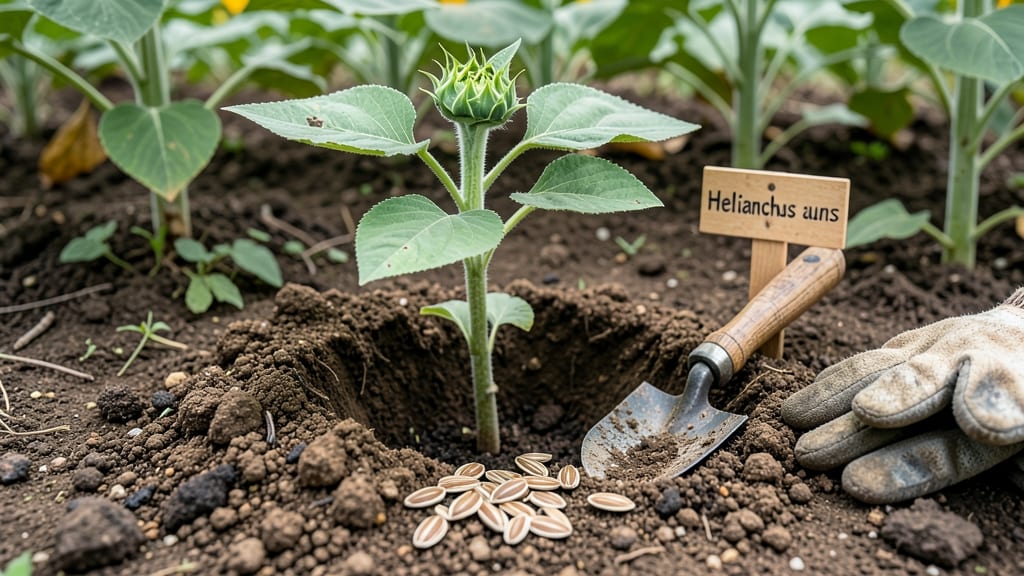
Planting sunflower seeds in Ohio after the last frost date — typically mid-April — is the key to avoiding stunted growth and ensuring those towering 🌻 blooms you’ve dreamed of.
Ohio’s unpredictable frost dates can make sunflower planting a guessing game—but timing it right ensures towering blooms and fewer wasted seeds.
Most Ohio gardeners wait until soil temperatures hit 55°F or warmer, which usually aligns with late April to early May in USDA Zone 6a. Planting too early risks frost damage, while waiting too long can lead to shorter stems and fewer flowers.
Below, I’ll break down the exact frost-free windows, soil temperature triggers, and variety-specific tips to help you grow sunflowers that reach their full 6- to 14-foot potential.
Ohio sunflower planting calendar: frost dates, soil temps, and ideal windows
Ohio’s varied USDA zones (5-7) mean your sunflower planting window can shift by weeks depending on location.
In southern Ohio (zones 6-7), like Columbus or Cincinnati, you’ll see last frost dates as early as April 15, while northern Ohio (zone 5), such as Cleveland or Toledo, may wait until May 1.
These differences directly impact when to plant your sunflower seeds for optimal growth.
Sunflowers thrive when soil temperatures consistently reach 55°F or warmer. A soil thermometer is your best tool—planting too early in cold soil (below 50°F) risks rot and poor germination.
In Ohio, this typically aligns with mid-April to early June, but always confirm with local frost data from sources like the Old Farmer’s Almanac or your county extension office.
For spring planting, aim to sow seeds 2-4 weeks after your last frost date. This gives young plants time to establish roots before summer heat arrives.
In fall, you can try a second planting in late July to early August for varieties like ‘Autumn Beauty’, which tolerate cooler temps and bloom before frost.
| USDA Zone | Last Frost Date | Soil Temp Threshold | Spring Planting Window | Fall Planting Window |
|---|---|---|---|---|
| Zone 5 (N. Ohio) | May 1 | 55°F+ | May 15–June 1 | Late July (if early-maturing) |
| Zone 6 (Central Ohio) | April 15 | 55°F+ | April 30–May 15 | Late July–early Aug |
| Zone 7 (S. Ohio) | March 30 | 55°F+ | April 15–May 1 | Aug 1–15 |
🌱 Pro Tip: Use black plastic mulch to warm soil faster in cooler zones.
If you’re growing tall varieties like ‘Mammoth Russian’, prioritize early spring planting (April–May) to ensure they mature before Ohio’s first frost in mid-October. Dwarf varieties, such as ‘Teddy Bear’, are more flexible and can handle slightly later plantings in June, though they’ll bloom smaller.
For container gardening, plant seeds in May after all frost risk has passed. Containers warm up faster than garden beds, so you can often start 1-2 weeks earlier than in-ground plantings. Just ensure pots have drainage holes and use a lightweight potting mix to prevent root rot.
Ohio’s summer heat (especially in July–August) can stress sunflowers, so always plant with 18–24 inches between rows for airflow. If you notice wilting during heatwaves, water deeply at the base of the plant in the early morning to reduce evaporation and fungal risks.
In northern Ohio (zone 5), consider starting seeds indoors under grow lights 4–6 weeks before your last frost date. Transplant seedlings outdoors once soil is 60°F+ and they’ve developed 2–3 true leaves. Harden them off for 5–7 days by gradually exposing them to outdoor conditions.
For fall planting, choose early-maturing varieties (50–60 days to harvest) and sow seeds by July 15 in southern Ohio or August 1 in northern zones. Monitor weather forecasts—if a hard frost is predicted before blooms appear, cover plants with row fabric to extend their season.
Remember, overwatering is a common mistake in Ohio’s humid summers. Sunflowers need 1–2 gallons of water per plant weekly, but reduce frequency once they’re 6 feet tall—they’re surprisingly drought-tolerant at maturity. Focus on deep watering rather than frequent shallow sessions.
By aligning your planting with Ohio’s soil temperature triggers and frost dates, you’ll maximize your sunflowers’ potential—whether you’re growing them for cut flowers, birdseed, or just the joy of watching them tower
5 Proven sunflower varieties for Ohio’s climate and their planting nuances
Ohio’s variable climate demands sunflower varieties that thrive in both cool springs and hot summers. Choosing the right type isn’t just about height—it’s about resistance to Ohio’s pests, like sunflower moths and bird damage, plus whether you’ll direct-sow or transplant seedlings.
Let’s break down the best options for your garden.
For early spring planting (mid-April), opt for cold-tolerant varieties like ‘Autumn Beauty’, which handles 50°F soil temps and blooms in 70-80 days. If you’re planting late May to June, heat-lovers like ‘Mammoth Russian’ (12+ feet tall) shine in Ohio’s summer heat and humidity.
Each variety has unique spacing and care needs too.
🌱 Numbered Highlights: Ohio Sunflower Varieties & Planting Tips
- 1. ‘Autumn Beauty’: Cold-hardy (plant mid-April), 60-90 days to bloom, 5-6 ft tall, direct-sow 1 inch deep, 12-inch spacing. Resists sunflower moths.
- 2. ‘Teddy Bear’: Dwarf variety (1-2 ft), ideal for containers, plant late May after frost risk passes, transplant seedlings (not direct-sow), 18-inch spacing. Bird-resistant petals.
- 3. ‘Mammoth Russian’: Giant (10-14 ft), plant late May for summer heat, direct-sow 1.5 inches deep, 24-inch spacing. Needs staking in Ohio winds.
- 4. ‘ProCut’: Cut-flower hybrid, 60-70 days, plant early June for late-summer blooms, transplant for stronger stems, 18-inch spacing. Disease-resistant to rust.
- 5. ‘Russian Giant’: Heat-loving, plant June 1-15, direct-sow 2 inches deep, 36-inch spacing. Tallest Ohio variety—needs deep, fertile soil.
💡 Pro Tip: All varieties need full sun (6+ hours). Mulch after planting to retain moisture in Ohio’s dry summers.
Ohio’s soil conditions also play a role. Sandy soils (common in northern Ohio) drain too quickly for tall varieties like ‘Mammoth Russian’, so amend with compost to retain moisture. In clay-heavy southern Ohio, ‘Autumn Beauty’ thrives with its shorter stature and sturdy stems.
For direct-sowing (the easiest method), drop seeds 1 inch deep after soil reaches 55°F. If you’re transplanting (like ‘Teddy Bear’), start seeds indoors 2-3 weeks before your last frost date (April 15 in most of Ohio). Harden off seedlings for 5-7 days before moving them outdoors.
Watch for Ohio-specific pests: Sunflower moths love ‘Mammoth Russian’, while birds peck at ‘Autumn Beauty’ seeds. Use row covers early on or plant ‘Teddy Bear’ for its tight petals, which deter feathered thieves.
With the right variety and timing, your sunflowers will reach their full potential—even in Ohio’s unpredictable weather.