
Plants
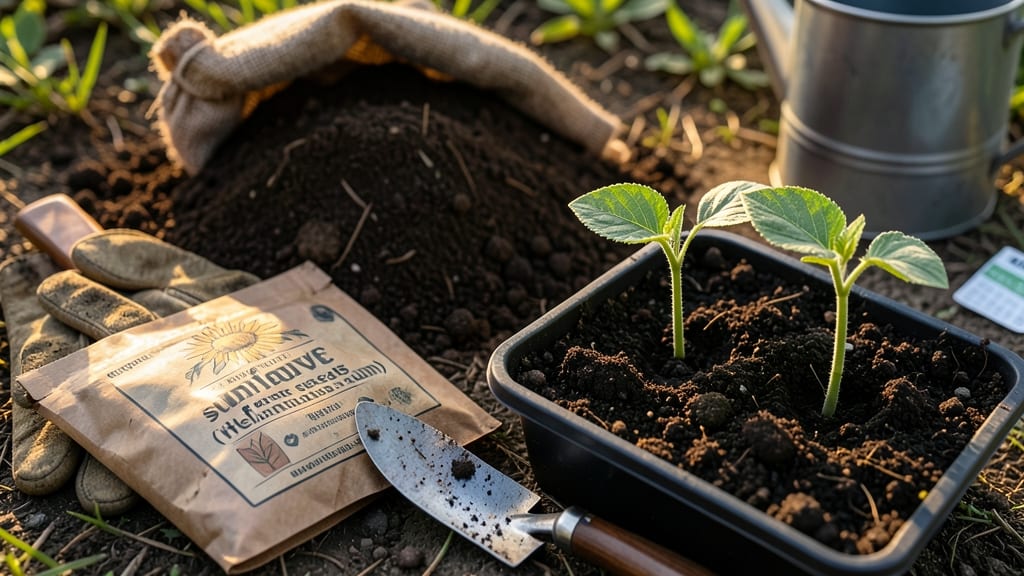
Plant sunflower seeds in Wisconsin after the last frost date, when soil temperatures hit 60°F or warmer — typically mid-April in southern regions and early May in the north.
Miss that window, and you risk stunted growth from lingering cold. Get it right, though, and you’ll see fast germination in just 5-10 days, with towering 🌻 blooms ready by summer.
Wisconsin’s USDA Zones 4a-6b mean frost can linger late, so timing matters. Whether you’re in Milwaukee or the Door Peninsula, this guide breaks down the exact dates for your zone — plus soil prep tricks to speed up those cheerful stems.
From dwarf varieties for containers to giants for cutting gardens, you’ll learn how to align planting with your sunflower’s maturity zone for maximum yield before frost hits again in October.
Wisconsin sunflower planting dates by hardiness Zone (5-6) for fast germination
Wisconsin’s USDA Zones 5a-6b create unique challenges for sunflower growers. In northern Wisconsin (Zones 5a-5b), frost lingers until mid-May, while southern regions (Zones 6a-6b) can start planting as early as late April.
The key to fast germination lies in soil temperature—sunflower seeds need 60°F+ soil to sprout reliably.
For Wisconsin gardeners, direct sowing outdoors is the fastest method, but indoor starts can give you a 2-3 week head start on blooms. The trade-off? Indoor seedlings need hardening off before transplanting after your last frost date.
Let’s break down the best planting windows for each zone to maximize your sunflower’s growth potential.
🌱 Pro Tip: Use a soil thermometer to confirm 60°F+ soil before planting—this is more critical than air temperature for sunflower germination. In Wisconsin, this typically aligns with late May for northern zones and early May for southern zones.
| Planting Method | Zone 5a-5b (Northern WI) | Zone 6a-6b (Southern WI) | Key Advantage |
|---|---|---|---|
| Direct Sowing Outdoors | Mid-May to early June (after last frost) | Late April to mid-May | Simpler, no transplant shock |
| Indoor Starts (Transplant) | Start indoors late April, transplant mid-May | Start indoors late March, transplant early April | Faster blooms (2-3 weeks earlier) |
| Soil Temperature Requirement | 60°F+ (typically late May) | 55°F+ (can start earlier) | Northern zones need warmer soil |
| Last Frost Date | Mid-May (varies by county) | Early May | Check local almanac for exact dates |
| Fastest Germination Window | Early June (soil at 65°F+) | Late May (soil at 60°F+) | Warmer soil = faster sprouts |
If you’re in Zone 5a-5b (northern Wisconsin), aim for early June planting when soil temperatures consistently reach 65°F+. This timing balances frost risk with germination success.
For Zone 6a-6b gardeners, you have more flexibility—planting in late May gives you a longer growing season before Wisconsin’s first frost in mid-October.
For fastest blooms, consider indoor starts in late March (Zone 6) or April (Zone 5). Use biodegradable pots to avoid root disturbance when transplanting. Harden off seedlings by placing them outdoors for 2-3 hours daily starting two weeks before your target transplant date.
This acclimation period prevents transplant shock and sets your sunflowers up for rapid growth.
Another Wisconsin-specific tip: If you’re growing giant sunflower varieties (like 'Mammoth' or 'Russian Giant'), start them indoors and transplant early. These varieties need 120+ days to mature, so every extra day in the ground counts.
For dwarf varieties (like 'Teddy Bear' or 'Sunspot'), direct sowing in June works well—they’ll still produce stunning blooms before frost.
Don’t forget to monitor your local frost dates—Wisconsin’s weather can be unpredictable.
5 Critical factors that determine the best sunflower planting time in Wisconsin
Wisconsin’s short but intense growing season demands precision when planting sunflowers. While general guidelines suggest mid-April to late June, your success hinges on five key factors beyond just dates.
These include last spring frost dates, nighttime temperatures, soil moisture levels, and choosing the right sunflower variety for your microclimate. Ignoring these can mean the difference between vibrant blooms and wilted seedlings.
First, last spring frost dates are your planting anchor. In Wisconsin, these typically range from mid-April in southern regions (like Madison) to early May in the north (like Duluth). Planting too early risks frost damage to tender seedlings, while waiting too long may shorten the bloom period.
Always verify your local frost-free date using the National Weather Service or Wisconsin State Climatology Office.
Next, nighttime temperatures play a surprising role. Sunflowers thrive when nighttime temps stay above 50°F (10°C). In Wisconsin’s cooler spring nights, this often means waiting until late May in northern areas.
Use a soil thermometer to confirm soil temps reach 55°F (13°C)—this ensures fast germination and strong root development.
- ✅ Last Spring Frost Date: Wait until 2 weeks after your area’s average last frost (typically mid-April to early May).
- ✅ Nighttime Temperatures: Ensure temps stay above 50°F (10°C)—critical for germination and seedling survival.
- ✅ Soil Moisture: Plant when soil is moist but not waterlogged—sunflowers need consistent moisture for the first 4 weeks.
- ✅ Sunflower Variety: Choose dwarf varieties (50-70 days to maturity) for early planting or giant varieties (90-120 days) for late-season blooms.
- ✅ Soil Temperature: Use a soil thermometer—ideal germination occurs at 60°F (15°C) or warmer.
Don’t overlook soil moisture levels, another hidden factor. Sunflowers need consistent moisture during germination but drought tolerance once established. Plant when the soil is moist but well-draining.
A simple test: squeeze a handful—if it holds shape but crumbles easily, it’s perfect. Overly saturated soil can drown seeds, while dry soil delays sprouting.
Your sunflower variety also dictates timing. Dwarf varieties (like ‘Teddy Bear’) mature in 50-70 days, making them ideal for early spring planting. Meanwhile, giant varieties (like ‘Mammoth’) need 90-120 days, so plant them no later than early June to avoid fall frost.
Mixing varieties lets you extend your bloom season from summer to early autumn.
Finally, verify readiness with this quick checklist before planting: ☑️ Soil temperature ≥ 55°F (13°C) ☑️ Nighttime temps consistently above 50°F (10°C) ☑️ No frost predicted in the next 10 days ☑️ Soil is moist but not soggy ☑️ Chosen variety’s maturity days align with your frost-free window By nailing these factors, you’ll maximize germination and ensure sunflowers thrive in Wisconsin’s climate.