
Plants
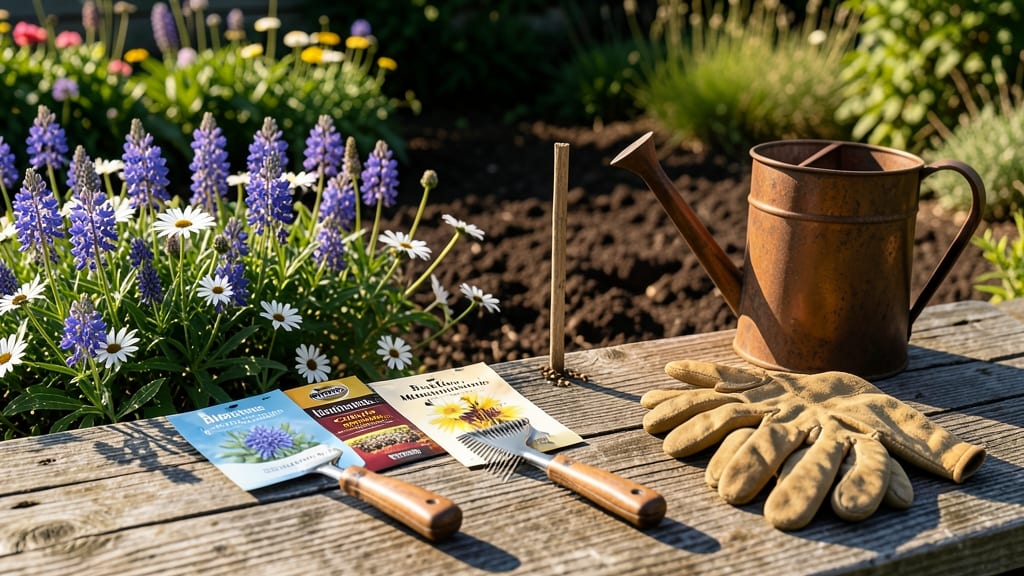
Planting wildflower seeds in Texas at the right time means the difference between a vibrant spring meadow and a patch of dirt 🌼.
Texas wildflowers transform landscapes into vibrant, pollinator-friendly havens—but timing your planting wrong can mean sparse blooms or failed germination. Whether you’re in North Texas’s cooler Zone 6a or South Texas’s balmy Zone 10b, the best months to plant vary wildly.
Miss the window, and you’ll be fighting drought or heat stress before your seeds even sprout.
Cool-season wildflowers like bluebonnets thrive when planted in late fall (October–November), while warm-season varieties prefer early spring (February–March). The key is soil temperature: seeds need consistent moisture and cooler ground to germinate, not the scorching Texas sun.
I’ll walk you through the exact deadlines by zone, plus pro tips to beat Texas’s unpredictable weather.
By the end, you’ll know not just when to plant, but how to prep your soil, protect your seeds, and turn your yard into a fast-blooming wildflower paradise—without wasting a single seed.
Best planting months for Texas wildflower seeds by USDA zone (2023 guide)
Texas wildflower seeds thrive when planted at the right time, but the best months depend entirely on your USDA zone. Cool-season varieties like bluebonnets and Indian paintbrush need fall planting, while warm-season types like Mexican feathergrass prefer spring.
Let’s break down the exact planting windows for Texas zones 6a through 9a—plus soil temperature thresholds to ensure fast germination.
Timing matters because Texas weather swings from freezing winters in the Panhandle to scorching summers in South Texas. Plant too early, and seeds may rot in cold soil; too late, and summer heat can dry them out before sprouting.
The key is to align your planting with soil temperatures between 60°F and 75°F—ideal for most wildflower species to break dormancy.
Here’s your zone-by-zone planting guide, including fall vs. spring strategies and the critical last-frost dates to avoid. Pro tip: Use a soil thermometer to confirm temperatures before planting—it’s the secret to 90%+ germination rates.
Notice how fall planting becomes more critical in warmer zones (8a–9a)? That’s because summer heat can bake seeds before they sprout. In cooler zones (6a–7a), spring planting works well, but bluebonnets planted in fall will bloom earlier the following spring—giving you two seasons of
Fall vs. spring planting: which works better for Texas wildflowers?
Choosing between fall and spring planting for Texas wildflowers depends on your USDA zone and desired bloom timing. Each season offers unique advantages for species like bluebonnets and Indian paintbrush, but one often outperforms the other for drought resilience and germination success.
In Texas, fall planting (August-October) gives seeds time to establish roots before summer heat arrives. This method works exceptionally well for cool-season wildflowers, which germinate best when soil temperatures drop below 75°F. The cooler months also reduce competition from weeds and conserve moisture.
Spring planting (February-April) is ideal for warm-season varieties that thrive in Texas's hot climate. However, seeds planted too early may face drought stress or bird predation before establishing. Spring planting also risks overcrowding if rains arrive late.
🌱
Fall Planting
- Better drought resilience
- Reduced weed competition
- Cooler germination temps
- Earlier spring blooms
- Limited seed selection
- Requires consistent moisture
- Frost risk in North Texas
Spring Planting
- Wider species variety
- Warmer soil temps for germination
- Longer growing season
- Higher drought risk
- More bird predation
- Competition from established weeds
For North Texas (Zones 7a-8a), fall planting is superior—especially for bluebonnets—as cooler temps improve germination rates. In South Texas (Zones 9a-10a), spring planting often wins due to milder winters and extended growing seasons.
My top recommendation? Plant a mix in both seasons for continuous blooms. Start with fall sowing for early spring color, then follow with spring planting for summer-long displays. Just remember: water deeply after planting to help seeds establish before Texas heat sets in.
🌻