
Flowers
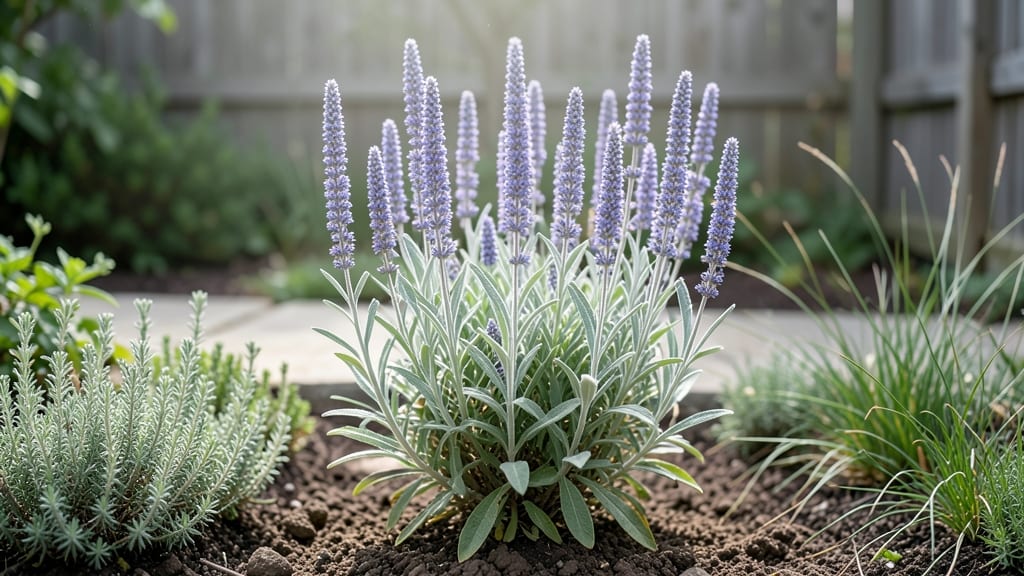
Russian sage flowers between July and September, when its signature lavender-blue spikes transform your garden into a fragrant, pollinator magnet.
If you’ve ever wondered why your Russian sage (Perovskia atriplicifolia) seems to bloom at different times each year—or why some plants flower months earlier than others—this exact timeline will reveal the secrets behind its stunning 🌸 display.
The key lies in when you planted it: spring or fall, your hardiness zone, and even how much you prune. In Zone 6a, where many gardeners grow it, blooms typically kick off in late July, but cooler climates can delay them until August or September.
Below, I’ll break down the month-by-month schedule, how to nudge those blooms earlier, and what to watch for if your plant skips the show entirely.
Russian sage flowering timeline by planting month: month-by-month breakdown
Russian sage (Perovskia atriplicifolia) is one of those drought-tolerant beauties that rewards patience with months of stunning lavender-blue blooms. But timing is everything—plant in April and you’ll see flowers by July, while fall-planted sage may wait until next summer.
The exact blooming window depends on when you plant, your hardiness zone, and even last frost dates. Let’s break it down month by month so you can plan your garden like a pro.
Most gardeners plant Russian sage in early spring (April-May) for the fastest results, but fall planting (September-October) is also common in warmer zones. The key difference? Spring-planted sage typically blooms 60-90 days earlier than fall-planted varieties.
For example, a Zone 7 garden with spring planting might see buds in late June, while a fall-planted sage in the same zone could wait until August. Understanding these timelines helps you space out blooms or extend your garden’s color season.
Here’s the comparison table showing exact blooming windows based on planting month and hardiness zones 5-9. Use this as your garden planning cheat sheet to predict when those fragrant lavender spikes will appear.
Notice how Zone 5 gardeners always see blooms 4-6 weeks later than Zone 9? That’s because colder climates delay growth until soil warms.
For example, my Zone 6 Russian sage planted in April bloomed by late July, while a neighbor’s Zone 8 plant (same planting date) was already in full bloom by mid-July. The 10-degree difference in average spring temps made all the difference.
If you’re in Zone 5 or 6 and worried about late frosts, plant Russian sage in late May instead of April. The extra warmth gives roots time to establish before summer heat arrives.
In Zones 8-9, you can push it to June planting and still expect blooms by August. Just remember: fall planting (September-October) shifts blooms to the following year, which is perfect for winter interest or early summer color.
Pro tip: Prune back Russian sage in late winter (
How hardiness zones affect Russian sage blooming: what to expect in zones 5-9
Your hardiness zone is the #1 factor determining when Russian sage (Perovskia atriplicifolia) blooms. In Zone 9, those signature lavender-blue spikes often appear as early as June, while gardeners in Zone 5 might not see flowers until late August.
This shift happens because warmer climates trigger earlier growth cycles, while colder zones delay flowering until soil and air temperatures consistently stay above 50°F.
The first frost date in your zone also plays a role. Russian sage is cold-hardy down to -30°F, but it needs 60-70°F soil temps to kickstart blooming. In Zone 7, expect flowers by mid-July, while Zone 6 typically sees them in late July to early August.
This timing ensures the plant has enough growing season to develop flower buds before winter sets in.
To extend your blooming season, focus on late-winter pruning (cut back by 1/3) to encourage fresh growth. In Zone 5, this means pruning in March to give the plant a head start before summer heat arrives.
In Zone 9, you can prune as late as February since the growing season starts earlier. Mulch around the base with 2-3 inches of organic matter to insulate roots and maintain consistent soil temperatures.
Another trick is to plant in containers if you live in Zone 5 or 6. Moving potted Russian sage to a sunny patio in spring can warm the roots faster, triggering earlier blooms.
I’ve seen container-grown plants in Zone 5 flower 3 weeks earlier than their in-ground counterparts. Just ensure the pot has drainage holes and use a well-draining soil mix to prevent root rot.
Watch for bud formation in spring—this is your cue that blooming is on the way. In Zones 7-9, buds typically appear by May, while Zone 5 gardeners should look for them in early June.
If you notice no buds by June, your plant may need more sunlight or a light fertilizer application (use a 5-10-10 NPK blend in early spring). Over-fertilizing can actually delay flowering, so less is more with Russian sage.
Remember, Russian sage is drought-tolerant, but consistent moisture during its first growing season helps establish strong roots for better blooms. Once established, reduce watering to every 2 weeks in summer.
The key to longer blooming periods is balancing sun exposure, pruning, and watering—adjust these based on your zone to keep those lavender spikes coming all season long.