
Flowers
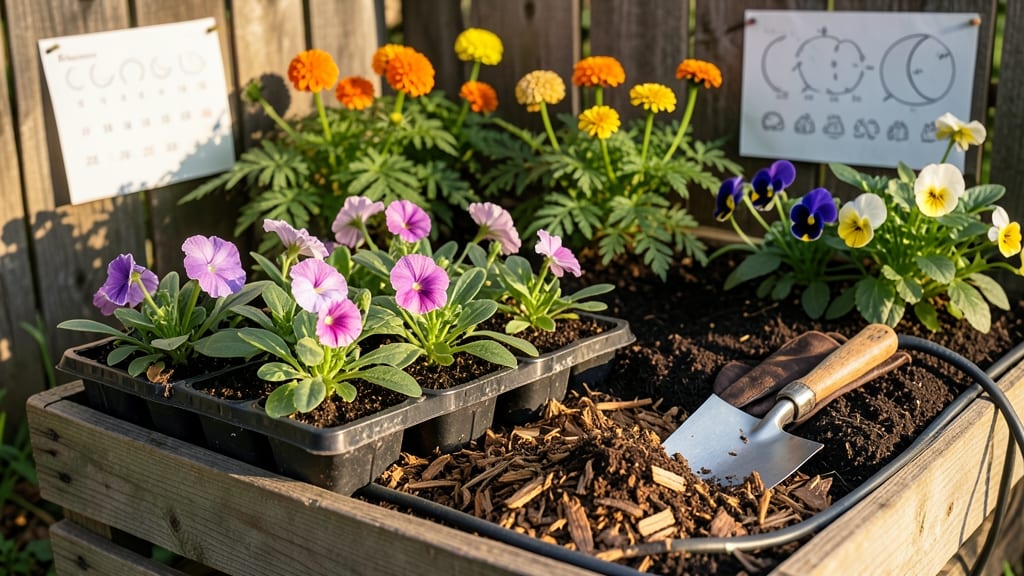
Michigan’s frost-free dates by USDA Zone: when to plant flowers safely
Michigan’s diverse climate zones mean frost dates vary dramatically—from late April in southern regions to early June in the Upper Peninsula. Understanding these USDA zone differences is key to avoiding frost damage while maximizing your garden’s potential.
The Lower Peninsula typically warms up faster, while the Upper Peninsula’s cooler microclimates demand patience and planning.
For safe flower planting, focus on nighttime temperatures staying above 40°F consistently, not just daytime warmth. Historical data shows 10-14 days of variability year-to-year, so using local weather averages as a guide—not a rule—is critical.
I’ve gardened in Zone 5b for years, and I’ve learned the hard way that rushing seedlings often leads to frost-nipped blooms.
Regional variations matter: Detroit’s Zone 6a sees last frosts around April 20, while Marquette’s Zone 4b often waits until May 15. Even within zones, urban heat islands can push frost dates 5-7 days earlier than rural areas. Always check microclimate factors like elevation or water bodies, which can delay warming by 1-2 weeks.
| USDA Zone | Last Frost Date | First Frost Date | Frost-Free Days | Safe Planting Window |
|---|---|---|---|---|
| Zone 4a (UP North) | May 10–20 | September 20–30 | 130–150 days | Late May–early June |
| Zone 4b (UP South) | May 1–10 | September 25–October 5 | 140–160 days | Early May–mid-June |
| Zone 5a (Northern LP) | April 25–May 5 | October 5–15 | 160–180 days | Mid-May–early June |
| Zone 5b (Central LP) | April 15–25 | October 10–20 | 170–190 days | Late April–mid-May |
| Zone 6a (Southern LP) | April 10–20 | October 20–November 1 | 180–200 days | Early April–late May |
| Zone 6b (Southeast MI) | April 1–10 | November 1–10 | 200–220 days | Mid-March–late May |
To use this data effectively, I recommend planting cold-hardy annuals like pansies or sweet alyssum 2-3 weeks before your zone’s last frost date. These tolerate light frosts and give you early color.
For tender perennials like black-eyed Susans, wait until two weeks after your average last frost—this gives soil time to warm to 50°F+, which is critical for root establishment.
Best flower varieties for Michigan’s short growing season: early vs. late planting
Michigan’s short growing season demands smart choices—planting the right flowers at the right time ensures your garden thrives from spring blooms to fall color. Early bloomers like pansies and crocuses brave cool temperatures, while cosmos and zinnias shine in summer’s warmth.
The key is matching each variety to Michigan’s USDA zones 4a-6b and frost dates.
For early planting (March-April), focus on cold-hardy annuals and perennials that tolerate light frost. Late-season varieties (August-September) should handle heat and brief frosts. Below, I’ve organized the best options by planting window, so you can maximize your garden’s potential without wasting time or money on unsuitable plants.
- 1 Early Spring (March-April): Plant pansies, violas, and crocuses—they handle 30°F nights and bloom in 4-6 weeks. Add tulips and daffodils as bulbs for spring color.
- 2 Late Spring (May): Transition to sweet peas, lupines, and foxgloves—these thrive in 50-60°F soil and full sun. Avoid tender annuals until after last frost (mid-April in south MI).
- 3 Summer (June-July): Plant cosmos, zinnias, and sunflowers—they tolerate heat and drought once established. Marigolds repel pests and bloom nonstop.
- 4 Fall (August-September): Choose mums, asters, and sedum—these handle cool nights and light frosts. Pansies again shine in fall for late-season color.
- 5 Pro Tip: Use row covers to extend early/late seasons by 2-3 weeks. For bulbs, plant tulips in fall (October) and daffodils in early spring for reliable blooms.
My favorite early bloomers are pansies—they tolerate light frost and come in vibrant colors. For summer heat, cosmos are drought-tolerant and attract pollinators. In fall, mums provide bold color before frost. Each variety aligns with Michigan’s 150-day growing season, so you’re not left with gaps.
For perennials, coneflowers and black-eyed Susans return yearly with minimal care. If you love bulbs, alliums and hyacinths add height and fragrance. The key is soil prep: amend with compost to improve drainage, especially in clay-heavy Michigan soil.
Mulch after planting to retain moisture and regulate soil temperature.
Don’t overlook succession planting. Replace early bloomers like snapdragons with heat-loving zinnias in late June to keep your garden vibrant all season. This strategy works especially well in containers, where you can swap out plants as needed.
Just ensure new plants have 2-3 weeks to establish roots before summer’s peak heat.
Michigan’s first frost typically arrives in mid-October, but some varieties like sedum and Russian sage survive until November. To protect late bloomers, add a lightweight row cover or mulch heavily.
With the right mix of early, mid-, and late-season flowers, your garden will stay lively from spring crocuses to fall mums.