
Flowers
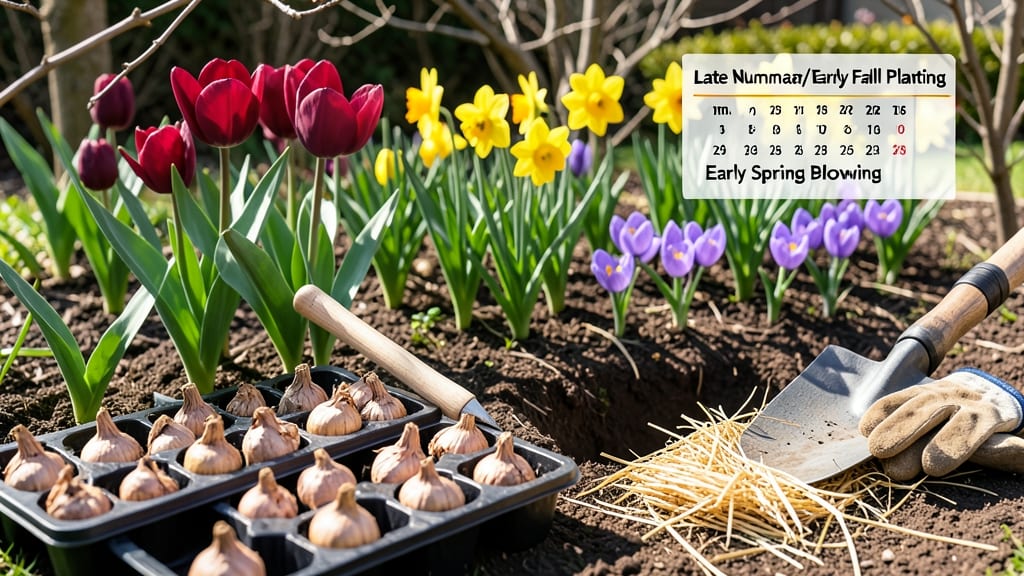
Zone 6A flowers bloom best when planted at the right time — a precise schedule keeps your garden vibrant from spring through fall.
Timing is everything in gardening—especially when it comes to coaxing vibrant blooms from your Zone 6A garden. Plant too early or too late, and your flowers may struggle to thrive, leaving you with sparse fragrance and lackluster displays.
This guide reveals the exact months to plant flowers in Zone 6A for maximum impact, broken down by bloom season and hardiness.
Whether you're tucking in spring bulbs, sowing summer annuals, or establishing fall perennials, the right window makes all the difference. We’ll cover frost dates, soil temperatures, and region-specific adjustments so you never miss a planting opportunity.
Discover which flowers thrive in your zone, how to extend their seasons with cold frames, and the common mistakes that sabotage even the most well-intentioned gardeners. Let’s get those blooms growing!

Zone 6A flower planting schedule by season: exact months for success
Mastering the Zone 6A planting schedule means knowing your last frost date (around April 15) and first frost date (typically October 15). These dates create the framework for planting annuals, perennials, and bulbs at the perfect time to ensure robust growth and stunning blooms.
In this zone, you can enjoy a long growing season—but timing still matters for each type of flower.
For spring-blooming bulbs like tulips and daffodils, planting in fall (October-November) gives them time to establish roots before winter. Meanwhile, summer annuals like marigolds and zinnias thrive when planted after the last frost, usually in late April or May.
Understanding these windows ensures your garden stays vibrant from early spring to late fall.
Start with spring bulbs in October—this gives them time to root before winter dormancy. Most bulbs need 6-8 weeks in the ground before the first frost. For perennials, both spring (April-May) and fall (September) are ideal, but fall planting helps roots establish before winter.
When planting summer annuals like marigolds or zinnias, wait until the soil temperature reaches at least 60°F. This usually aligns with late April or May in Zone 6A. These heat-loving plants will reward you with bold colors and continuous blooms all summer long if planted at the right time.
For fall-blooming flowers, such as chrysanthemums and asters, start planting in June-July. These varieties need time to establish roots before cooler temperatures arrive. Planting too late can result in stunted growth or weak blooms, so act early to enjoy vibrant fall color.
Don’t overlook cold-hardy annuals like pansies and snapdragons—they thrive when planted in September-October. These flowers add color and texture to your garden even in cooler months. They’re perfect for extending your blooming season well into late fall.
Always check your local frost dates—they can vary slightly within Zone 6A. Use a soil thermometer to confirm when soil temperatures meet planting requirements. This small step ensures your flowers get the best possible start, leading to healthier plants and more abundant blooms.
Mulch newly planted flowers with 2-3 inches of organic mulch to retain moisture and regulate soil temperature. This is especially important for bulbs and perennials, which benefit from consistent conditions. Mulching also helps suppress weeds, reducing competition for nutrients and water.
By following this Zone 6A planting schedule, you’ll create a garden that bursts with color from early spring to late fall. Pay attention to soil temperatures, frost dates, and the specific needs of each flower type—your garden will thank you with stunning, fragrant blooms all season long.
Best flowers for zone 6A: hardiness, bloom time, and planting tips
Choosing the right flowers for your Zone 6A garden means balancing cold hardiness with heat tolerance. The best blooms thrive through last spring frosts and early fall chills, while still delivering vibrant colors and fragrance.
My top picks include perennials that return yearly, annuals for seasonal bursts, and bulbs that naturalize over time.
For spring blooms, focus on tulips and daffodils—both handle Zone 6A winters beautifully. Summer lovers should prioritize coneflowers and black-eyed Susans, which tolerate drought once established. Fall brings asters and chrysanthemums, adding late-season color before frost.
Fragrance vs. Drought Resistance
Fragrant Flowers
- Peonies – Heavy scent, needs regular water
- Lilacs – Classic fragrance, moderate drought tolerance
- Sweet Alyssum – Delicate aroma, drought-tolerant annual
Drought-Tolerant Flowers
- Lavender – Minimal scent, thrives on neglect
- Russian Sage – Light fragrance, zero water needs
- Blanket Flower – No scent, heat-loving perennial
When planting spring bulbs, aim for October-November—this gives roots time to establish before winter. Tulips need 6-inch depth, while daffodils thrive at 8 inches deep. For summer annuals, wait until after last frost (typically mid-May) to avoid frost damage.
Perennial spacing matters—coneflowers need 18-24 inches apart, while coreopsis can handle 12-18 inches. Mulch after planting to retain moisture and suppress weeds. My Zone 6A garden stays lush by combining fragrant perennials near seating areas with drought-tolerant plants in sunny borders.
For fall color, asters and sedum are my go-tos—they bloom late and handle early frosts gracefully. Pair them with mums for a long-lasting display. Remember: Zone 6A's first frost usually hits mid-October, so time your fall-planted bulbs (like crocuses) for October planting.
Pro tip: Group flowers by water needs—place drought-resistant varieties together to minimize maintenance. With the right mix, your Zone 6A garden will bloom from spring to frost with minimal effort. Happy planting! 🌷