
Flowers
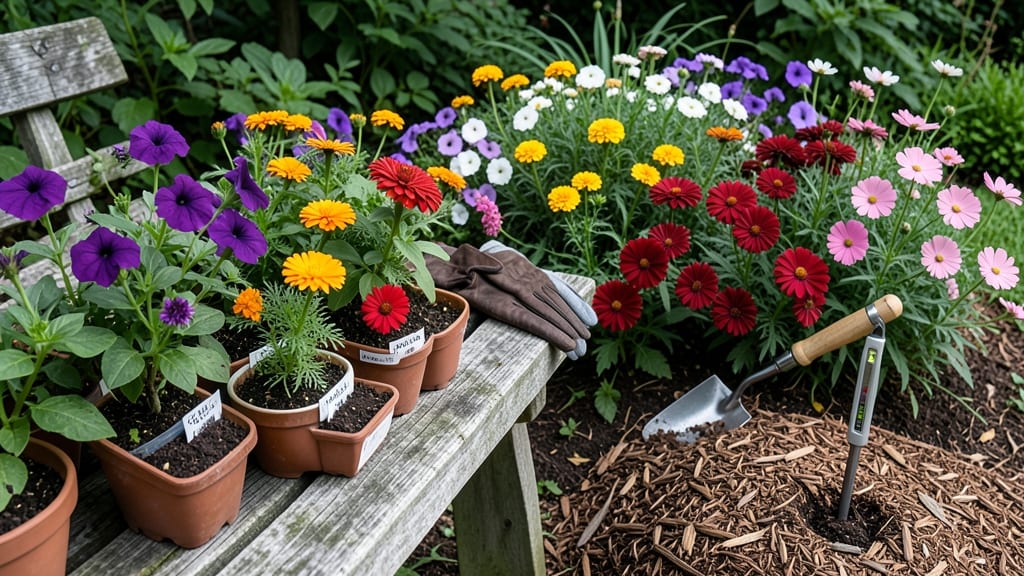
When is it safe to plant flowers in Missouri after the last frost date—typically mid-April to early May—is the key to avoiding frost damage and giving your garden the best start.
Missouri gardeners know timing is everything—plant too early and frost will zap your blooms, but wait too long and summer heat arrives before your flowers even sprout. The key? Understanding your frost-free date by planting zone.
With USDA zones ranging from 5b to 6a, Missouri’s climate varies dramatically from north to south. In St. Louis (Zone 6a), you might be safe by late April, while Kansas City (Zone 5b) often waits until early May.
Below, we’ll break down the exact planting windows for your zone, plus tips for starting seeds indoors and adjusting for unpredictable springs. Ready to transform your garden?
Missouri frost-free dates by planting Zone (2024 guide)
Missouri’s diverse geography means your last frost date can vary by hundreds of miles, even within the same USDA zone.
In Zone 5a (northwest Missouri), gardeners typically wait until May 1 to plant frost-sensitive flowers like petunias or geraniums, while Zone 7a (southeast Missouri) sees safe planting as early as April 15.
Understanding these differences is critical—one late frost can wipe out your spring blooms in a matter of hours.
Historical data shows Missouri’s frost dates shift 1-2 weeks earlier each decade due to climate change, but microclimates—like urban heat islands in St. Louis or river valleys in Kansas City—can create 3-5 day variations.
For example, Columbia (Zone 6b) averages its last frost on April 10, but nearby Jefferson City (Zone 6a) may see frost linger until April 18. These nuances make local weather stations your best friend.
To navigate this, I’ll break down average frost-free dates for Missouri’s 6 USDA zones, highlight historical exceptions, and share how to adjust for your specific microclimate.
Whether you’re in frost-prone Cape Girardeau or warmer Joplin, this guide ensures your annuals and perennials get a fighting chance against Mother Nature’s surprises.
🌱
| USDA Zone | Average Last Frost | Safe Planting Window | Microclimate Notes | Example Cities |
|---|---|---|---|---|
| 5a | May 1 | May 10-15 | Northern MO; use row covers for early blooms | St. Joseph, Kirksville |
| 5b | April 25 | May 1-5 | River valleys delay frost; monitor local forecasts | Columbia, Sedalia |
| 6a | April 15 | April 20-25 | Urban areas (St. Louis) warm up faster | St. Louis, Jefferson City |
| 6b | April 10 | April 15-20 | Southeast MO; frost risk drops sharply after April 15 | Springfield, Cape Girardeau |
| 7a | March 30 | April 5-10 | Early planting possible; watch for late frosts | Poplar Bluff, Farmington |
| 7b | March 25 | April 1-5 | Rare in MO; limited to extreme southeast | Paducah (KY border) |
For Zone 5a gardeners, the May 1 average last frost date is just that—an average. Historical records show late frosts can occur as late as May 15 every 5-7 years.
To hedge your bets, I recommend waiting until May 10 to plant tender annuals like marigolds or zinnias, or use frost cloth to protect seedlings planted earlier. In Zone 7a, where frost typically
How to calculate your Exact Safe Planting Window for Flowers
Missouri’s spring weather can be as unpredictable as a toddler’s mood—one day sunny and warm, the next a surprise frost that turns your tender seedlings into popsicles. To avoid this gardening nightmare, you need to calculate your exact safe planting window using local frost data and soil temperature benchmarks.
This isn’t guesswork; it’s science backed by the University of Missouri Extension.
Start by checking your USDA hardiness zone (most of Missouri falls in zones 5b-6a). Then, use the frost-free date calculator from the MU Extension to find your average last frost date.
For example, St. Louis (Zone 6a) typically sees its last frost around April 15, while Kansas City (Zone 5b) might wait until April 22. These dates are your baseline—but don’t stop there.
Here’s the step-by-step method to pinpoint your ideal planting window for annuals, perennials, and tender flowers:
Use the University of Missouri Extension’s frost calculator (link in resources) to input your ZIP code. This gives you the average last frost date for your area, but remember: averages are just a starting point.
Frost can linger longer than expected. Add 2 weeks to your average last frost date to account for late cold snaps. For example, if your frost date is April 15, aim for May 1 as your safe planting date.
Most flowers need soil temps of at least 60°F (15°C) to thrive. Use a soil thermometer or check the NOAA Climate Data for your region. If temps are below 55°F (13°C), delay planting.
Low-lying areas or shaded spots stay colder longer. If your garden is in a valley or near a lake, plant 1-2 weeks later than the average. Conversely, south-facing slopes warm up faster—plant 1 week earlier.
Before planting, check the National Weather Service for frost warnings in the next 10 days. If frost is predicted, use row covers or wait until the threat passes.
Hardy annuals (like pansies or snapdragons): Plant 3-4 weeks before your frost-free date. Tender annuals (like petunias or marigolds): Wait until 2 weeks after your frost-free date. Perennials: Follow the soil temperature rule—plant when soil is above 55°F (13°C).
Pro tip: For container gardening, you can plant 2-3 weeks earlier than in-ground flowers because pots warm up faster. Just be ready to move them indoors if frost threatens. And if you’re starting seeds indoors, begin them 6-8 weeks before your frost-free date for a head start.
Remember, Missouri’s weather is a wild card. Even after you’ve calculated your window, keep an emergency row cover handy. The goal isn’t perfection—it’s minimizing risk so your flowers get the long, vibrant season they deserve. Happy planting! 🌸