
Planting
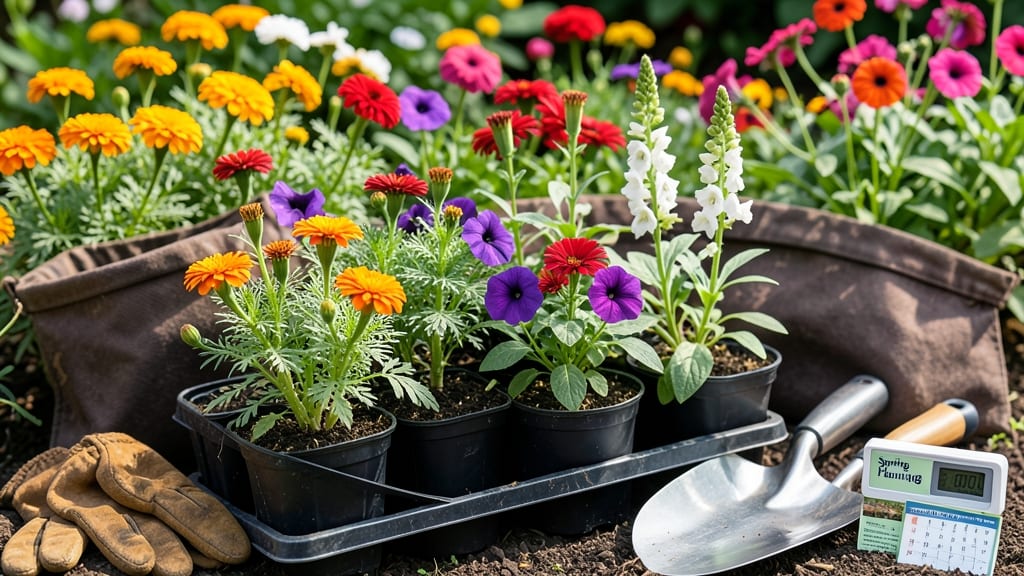
The best time to plant flowers outside depends on your hardiness zone and the type of blooms you’re dreaming of 🌸 — but for most gardeners, early spring and late summer are the golden windows.
Picture this: you’ve spent months picking seeds, dreaming of vibrant petals, only to see your flowers wilt before they even bloom. That’s the frustration of planting too early or too late, and it’s easier to avoid than you think.
In Zone 6a, like many northern gardens, the sweet spot is after your last frost (usually mid-April) or 4-6 weeks before the first frost in fall. But timing isn’t just about the calendar—soil temperature, flower type, and even your local microclimate play a role.
Below, I’ll break down the exact months for your zone, how to prep your soil for success, and which flowers thrive when planted early versus late. No more guesswork—just peak blooms all season long.
Best flower planting months by US hardiness zone: a month-by-month guide
Timing your flower planting by USDA hardiness zone and seasonal conditions makes all the difference between a lush, long-blooming garden and one that struggles.
Whether you're in Zone 3 with harsh winters or Zone 10 with year-round warmth, knowing when to plant annuals, perennials, and bulbs ensures your flowers thrive from the first bloom to the last.
I’ve gardened in Zones 5-8, and I can tell you firsthand: planting too early or too late can leave your flowers stunted, frost-damaged, or struggling to establish roots. The key is understanding frost-free dates, soil temperatures, and whether your flowers prefer cool-season or warm-season conditions.
Let’s break it down by zone and month so you can plan with confidence.
Pro Tip: Always check your last frost date (spring) and first frost date (fall) for your specific location—these are your planting anchors. For most gardeners, spring planting happens 4-6 weeks before the last frost, while fall planting occurs 6-8 weeks before the first frost. Use this zone-by-zone timeline as your guide.
In Zones 3-4, where winters are brutal, focus on cool-season annuals like pansies and snapdragons for early spring color. These frost-tolerant flowers can handle light freezes and even bloom in late fall if planted early.
For warm-season flowers, wait until after the last frost—usually late May to June—and choose heat-loving varieties like marigolds and zinnias, which thrive in hot, dry conditions.
Gardeners in Zones 5-6 have a longer window but must still time planting carefully. Spring planting should begin in April for cool-season flowers, while warm-season flowers like petunias and geraniums can go in after Memorial Day (around mid-May). Fall planting is ideal for bulbs like tulips and daffodils, which need 6-8 weeks of cool weather to establish roots before winter.
Aim for August-September planting.
If you’re in Zones 7-8, you’re in luck—your mild winters allow for year-round planting with some adjustments. Cool-season flowers like sweet peas and stock can be sown in late fall (October-November) for winter and early spring blooms.
For warm-season flowers, start planting in March and continue through September, with fall planting extending blooms into late autumn. Just avoid planting heat-sensitive flowers like impatiens too early—they’ll bolt (flower prematurely) in warm soil.
For Zones 9-10, where frost is rare, the rules are simpler: plant whenever you want!
However, cool-season flowers still perform best in fall and winter, while warm-season flowers like bougainvillea and portulaca thrive in spring and summer. Bulbs should still be planted in fall (October-November) for spring blooms, as they need a cooling period to trigger flowering.
In Southern California, you can
How to adjust planting times for late frost, heat waves, OR unpredictable weather
Unpredictable weather can throw off even the most careful gardeners. A late frost in May or an early heatwave in April can leave your flowers struggling—or worse, dead. The key is flexibility: adjusting planting times based on soil temperature, weather forecasts, and the resilience of your plants.
I’ve learned that some flowers, like marigolds and zinnias, bounce back from transplant shock, while others, like dahlias or peonies, demand precision timing to thrive.
Start by checking your last frost date and first frost date, but don’t rely on averages. Use a soil thermometer to confirm when the ground is warm enough—most flowers need soil temps between 60-70°F (15-21°C).
For example, in Zone 5-6, I’ve had to delay planting tomatoes and petunias by weeks because of chilly springs. The trick is to stay one step ahead of Mother Nature.
⚠️ callout warning ⚠️
⚠️ Late Frost? Don’t Panic—But Act Fast!
A late frost can devastate tender seedlings. If frost is forecasted, cover plants with frost cloth or row covers the night before. For annuals like impatiens or coleus, wait until soil temps consistently stay above 55°F (13°C)—even if it means planting in June instead of May. Perennials like coneflowers or black-eyed Susans are hardier and can handle cooler soils, but tender bulbs like cannas need warmth to sprout.
🌱 Pro Tip: Use staggered planting—sow a few seeds every 2 weeks—to ensure some survive if frost strikes.
For heat waves, the solution is equally simple but requires planning. If temperatures soar above 90°F (32°C) before your flowers are established, they’ll bolt (send up flowers too quickly) or wilt. I’ve had success with shade cloth or planting heat-tolerant varieties like lantana, portulaca, or zinnia.
These thrive in full sun and drought-like conditions, making them perfect for hot climates. If you’re planting in summer, focus on evening watering to reduce evaporation and mulch heavily to keep roots cool.
Not all flowers are created equal when it comes to transplant shock. Marigolds, zinnias, and cosmos are forgiving—they recover quickly from being moved or replanted. I’ve even transplanted six-week-old marigold seedlings in July with no issues.
On the other hand, dahlias, gladiolas, and sweet peas are timing-sensitive. Plant them too early, and they’ll rot in cold soil; too late, and they won’t bloom before frost. For these, I use biodegradable pots to minimize root disturbance when transplanting.
Another trick I swear by is successive planting. Instead of sowing all your basil or nasturtiums at once, space them out every 2-3 weeks. This ensures a continuous harvest or nonstop blooms and reduces the risk of losing your entire crop to one bad weather event.
For example, I plant bush beans in three batches: early May, late May, and early June. If the first batch fails due to frost, the others carry on.
Finally, keep a gardening journal to track your local microclimate. Note when frost hits, how long heatwaves last, and which plants thrive (or fail) in your yard.
Over time, you’ll spot patterns—like how my Zone 7 garden always gets a late frost in early April—or how summer heat arrives earlier than the USDA zone map predicts. Armed with this knowledge, you’ll adjust planting times like a pro.
After all, the best gardeners aren’t the ones who follow rules—they’re the ones who adapt to their unique conditions. 🌿