
Flowers
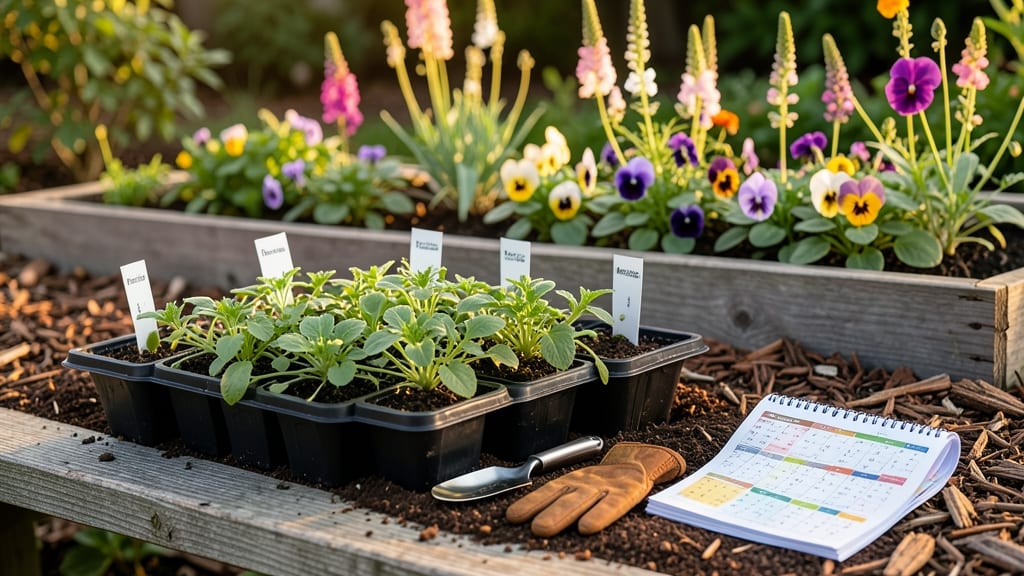
Flowers should be planted in spring after the last frost or in fall before the first frost to ensure vibrant blooms and strong roots.
Timing your flower planting can mean the difference between a vibrant garden bursting with color and a sad, sparse landscape—so knowing the exact months to plant by your USDA zone is essential for fast, reliable blooms.
In Zone 6a, like many gardeners, you’ll want to start annuals like marigolds and petunias in March or April once the soil warms to 60°F. Perennials, though, often thrive when planted in early fall, giving them time to establish before winter.
Below, I’ll break down the best months for your region, how to adjust for early or late seasons, and the three mistakes that stall blooms—so you can plan with confidence and enjoy faster results.
Best flower planting months by USDA Zone for year-round blooms
Getting your flowers planted at the right time ensures vibrant blooms all season long. USDA zones 3-11 have dramatically different frost dates, so timing matters—plant too early, and tender species will die; too late, and you’ll miss peak bloom windows.
For example, Zone 3 gardeners can plant hardy perennials like coneflowers in May, while Zone 11 enjoys year-round planting with minimal frost risk.
Annuals, perennials, and bulbs each have optimal planting windows based on heat tolerance and frost sensitivity. Cold-hardy varieties like pansies can handle early spring, while tender annuals like geraniums need to wait until soil warms.
The key is balancing soil temperature (aim for 60°F+) with frost-free forecasts to avoid transplant shock.
| USDA Zone | Best Planting Months | Cold-Hardy Annuals | Tender Annuals | Perennials |
|---|---|---|---|---|
| Zones 3-4 | May–June (spring) or August (fall) | Pansies, Sweet Alyssum | Petunias (after June 1) | Coneflowers, Black-Eyed Susan |
| Zones 5-6 | April–May (spring) or September (fall) | Violas, Snapdragons | Marigolds, Zinnias | Daylilies, Lavender |
| Zones 7-8 | March–April (spring) or October (fall) | Calendula, Stock | Geraniums, Begonias | Roses, Shasta Daisies |
| Zones 9-10 | February–March (spring) or November (fall) | Sweet Peas, Larkspur | Impatiens, Coleus | Orchids, Bougainvillea |
| Zone 11 | Year-round (avoid frost months) | Sweet Peas (fall) | Tropical Hibiscus | Plumbago, Bird of Paradise |
🌱 Note: Fall planting should occur 4-6 weeks before first frost.
In Zones 3-4, where winters are harsh, focus on late spring planting (after May 15) to avoid frost damage. Cold-hardy annuals like pansies thrive when planted in May, while perennials like coneflowers can even handle early fall planting for next year’s blooms.
For tender annuals, wait until June 1 to ensure soil stays above 55°F.
Moving to Zones 5-6, you gain flexibility with April–May planting for most flowers. Perennials like daylilies benefit from early spring planting to establish roots before summer heat. Annuals such as marigolds can handle late spring transplanting, but geraniums need warmer soil (plant after May 15).
Fall planting in September works well for cool-season annuals like stock.
In warmer Zones 7-10, you can start as early as February for heat-tolerant varieties like zinnias or sunflowers. Perennials such as roses thrive with early spring planting to avoid summer drought stress. Tender annuals like begonias should wait until March 15 to prevent root rot in cool soil.
Fall planting in October extends blooms into winter for pansies and calendula.
For Zone 11, the rules change entirely—plant year-round with minimal frost risk. Tropical flowers like hibiscus and bougainvillea thrive in warm soil, so avoid heavy rains during planting. Succession planting every 6-8 weeks ensures continuous blooms.
Even cool-season annuals like sweet peas can be planted in fall for winter/spring color.
To minimize transplant shock, always water deeply before and after planting, and
How to adjust planting times for faster blooms and seasonal extensions
Want to stretch your blooming season or coax flowers to open weeks earlier? Adjusting planting times is the secret weapon in your gardening toolkit. By fine-tuning when you sow seeds or transplant seedlings, you can push spring blooms forward or extend fall color long after other gardens have faded.
The key lies in understanding how microclimates, heat-tolerant varieties, and seasonal extensions work together to shift your garden's timeline.
For example, a simple cold frame can add 3-4 weeks of growing time in early spring, while choosing heat-resistant marigolds over traditional petunias lets you plant later in summer without sacrificing blooms.
Even something as subtle as soil warmth—measured by a soil thermometer—can signal when to plant heat-loving flowers like zinnias or sunflowers for a second summer flush. Let's break down the proven strategies that'll have your garden bursting with color on your schedule.
- 1 Use cold frames or row covers to plant cool-season flowers like pansies 4-6 weeks before your last frost date. This creates a warmer microclimate that jump-starts growth.
- 2 Choose heat-tolerant varieties like celosia or lantana for late summer planting. These thrive when nighttime temps stay above 70°F (21°C), letting you extend your season by weeks.
- 3 Practice succession planting by sowing fast-growing annuals like cosmos every 2 weeks. This ensures continuous blooms from June through October in most zones.
- 4 Monitor soil temperature with a probe—aim for 60°F (15°C) for most flowers. Cooler soil delays germination, while warmer soil speeds it up by 10-15 days.
- 5 Adjust for microclimates: South-facing beds warm up 1-2 weeks earlier than north sides, while windy areas may need windbreaks to protect tender seedlings.
Let's say you're in Zone 7 and want holiday poinsettias by Thanksgiving. Start seeds indoors 10-12 weeks before your target date (around July 15th) using a grow light to simulate long days.
For outdoor flowers, try planting mums in early September instead of August—this gives them time to establish roots before fall's chill, resulting in longer-lasting blooms.
Don't overlook the power of mulching either. A 3-inch layer of straw or wood chips keeps soil 5-10°F warmer in spring and cooler in summer, which can shift your planting window by 1-2 weeks.
For example, in Zone 5, mulched beds might let you plant black-eyed Susans in early May instead of late May, giving you earlier color.
Pro tip: Keep a gardening journal to track which adjustments work best in your space. Note the exact dates you plant, the varieties you choose, and how long they take to bloom.
Over time, you'll spot patterns—like how zinnias planted in early July always bloom by Labor Day in your climate. This data becomes your personalized seasonal extension guide year after year.
Remember, the goal isn't just to plant earlier or later—it's to create a continuous bloom calendar that matches your vision. Whether you're aiming for Valentine's Day roses or Fourth of July fireworks of color, these strategies put you in control of your garden's timeline.
Start experimenting this season, and you'll be rewarded with longer, more vibrant blooms than ever before. 🌸