
Propagation
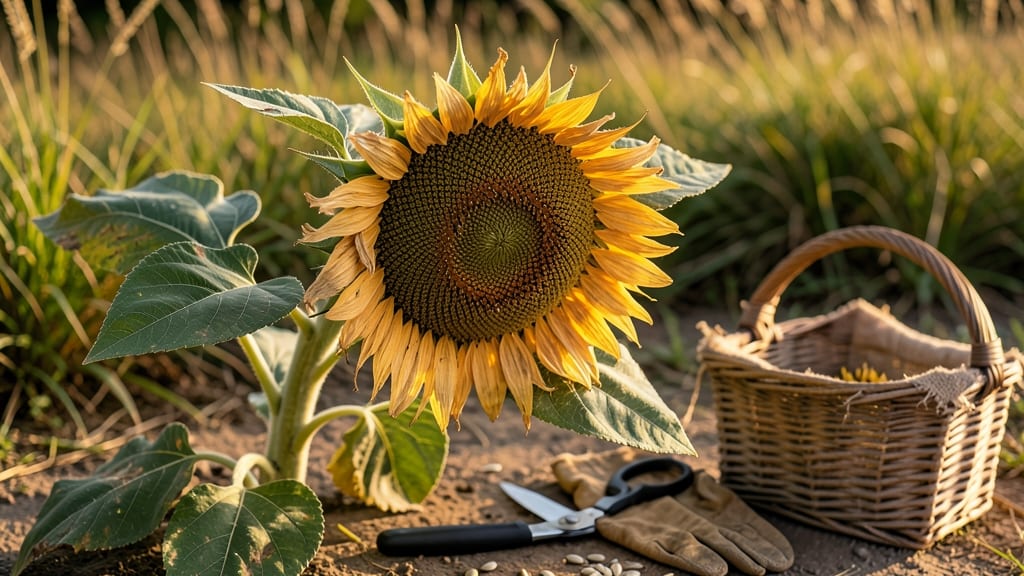
Cutting sunflower heads at the right time ensures seeds stay viable and your garden thrives next year 🌻 — timing is everything, especially when frost looms.
You’ve spent months watching those towering blooms sway in the breeze, only to wonder: Did I cut them too early? Or worse, too late? The difference between high-quality seeds and wasted effort often comes down to a two-week window in late summer or early fall.
Most sunflowers are ready when the petals turn brown and the back of the head turns yellow, but varieties like Mammoth or Russian Giant need extra care. Skip the guesswork with the exact months to harvest by type, plus how to tell when seeds are truly mature.
Below, I break down the best months for your zone, how to dry seeds properly, and whether cutting the head affects future blooms — because even experienced gardeners make this mistake.
Optimal sunflower head cutting months by variety type
Harvesting sunflower heads at the right time ensures high-quality seeds for saving or dried arrangements. The best months depend on your sunflower variety and climate zone.
Annual sunflowers, like Mammoth or Autumn Beauty, typically mature between late summer and early fall, while perennial varieties may have slightly different timelines.
In northern regions (USDA Zones 1-5), first frosts arrive earlier, so aim to harvest sunflower heads by late September for most varieties. Southern gardeners (Zones 6-10) can extend harvesting until mid-November in frost-free areas.
Always prioritize seed maturity over calendar dates—immature seeds won’t store well, and overripe seeds may shatter.
🌻
| Variety Type | Optimal Harvest Months (Northern) | Optimal Harvest Months (Southern) | Seed Maturity Signs |
|---|---|---|---|
| Annual (Standard) | Late August–September | September–October | Petals brown, seeds firm |
| Annual (Dwarf) | August–Early September | September–Early October | Back turns yellow, seeds rattle |
| Perennial (e.g., Giant Russian) | September–Early October | October–November | Head dries fully, stem snaps |
| Oilseed (e.g., NuSun) | Late August–September | September–October | Seeds darken, head papery |
For standard annual varieties, like Russian Giant or Teddy Bear, I recommend harvesting in late August through September in cooler climates. These varieties mature faster and benefit from being cut before the first frost. In warmer southern zones, you can delay until October without risking frost damage.
If you’re growing dwarf sunflowers like Moulin Rouge or Sunspot, harvest slightly earlier—in August or early September. Their smaller size means they mature faster, and waiting too long can lead to seed shatter or bird damage.
Always check for seed firmness before cutting; press a seed between your fingers—it should feel hard, not mushy.
Perennial sunflowers, such as Giant Russian, have a longer growing season and often require harvesting in September or October. These varieties are hardier and can tolerate slightly cooler temperatures, but their seeds still need to fully mature.
Look for dry, papery heads and stems that snap easily—these are clear signs of readiness.
🌾
One common mistake is harvesting too late, which can result in seeds sprouting on the head or attracting pests. If you miss the ideal window, you can still save seeds from slightly overripe heads, but germination rates may drop.
To maximize yield, cut heads in the morning after dew dries—this reduces moisture and speeds up drying.
For oilseed varieties like NuSun or Sunflower Oil Hybrid, timing is critical for seed quality. Harvest these in late August to September to ensure optimal oil content.
Unlike decorative varieties, oilseed sunflowers prioritize seed development over flower display, so focus on seed color and firmness rather than petal condition.
💧
Pro tip: Hang harvested heads upside down in a dry, well-ventilated space for 1-2 weeks to fully dry. This prevents mold and ensures seeds stay viable for 2-3 years when stored properly.
Label your varieties with tags or markers to avoid mixing seeds—especially if you’re saving multiple types for next season.
How to tell when sunflower heads are ready for harvesting
Harvesting sunflower seeds at the right time ensures high germination rates and nutrient-rich seeds for next season. The key is watching for visual cues that signal maturity rather than relying on a calendar.
Most sunflowers take 70-100 days to reach harvest readiness, but this varies by variety. I’ve learned that dwarf varieties mature faster than giant sunflowers, so always check individual plants.
Start by observing the petal color. When the outer petals turn brown and crispy, it’s a clear sign the seeds are nearing maturity. The back of the flower head also changes from green to dull yellow, indicating the seeds are developing properly.
If you shake the head gently and hear seeds rattle inside, that’s another positive sign they’re ready for harvest.
⚠️ callout warning ⚠️
- Too Early: Seeds won’t be fully developed, leading to poor germination (≤50% success).
- Too Late: Birds and squirrels will strip the seeds, or frost can damage viability.
- Critical Mistake: Cutting when seeds are still green inside—wait until they’re dark and firm.
Pro Tip: Harvest on a dry, sunny morning to prevent mold during drying.
Next, check the stem firmness. A mature sunflower’s stem should snap easily near the base when bent. If it bends without breaking, the seeds likely need more time.
I also test seed firmness by gently pressing a seed between my fingers—it should feel hard and dry, not soft or moist. This ensures the seed coat is fully formed and ready for storage.
Don’t overlook the seed color inside the head. Mature seeds turn dark brown or black, while immature seeds remain greenish or light tan. If you cut into a head and see mostly white or pale seeds, wait another 1-2 weeks for full maturity.
For black oil sunflowers, the seeds should be completely black before harvesting.
Timing matters most in cooler climates. In USDA Zones 3-5, aim to harvest before the first frost (typically late September-October). In warmer zones (6-10), you have until November.
If frost hits early, harvest heads and dry them indoors to salvage seeds. I’ve had success hanging heads upside down in a well-ventilated garage with 60-70°F temperatures.
Finally, avoid common harvesting mistakes like cutting stems too short or leaving heads on the plant too long. Always use clean, sharp pruners to make a 1-inch cut above the main stem.
After cutting, remove petals and let heads dry in a shady, dry place for 2-3 weeks before shelling seeds. Proper drying prevents mold and extends seed viability for up to 5 years when stored correctly.