
Plants
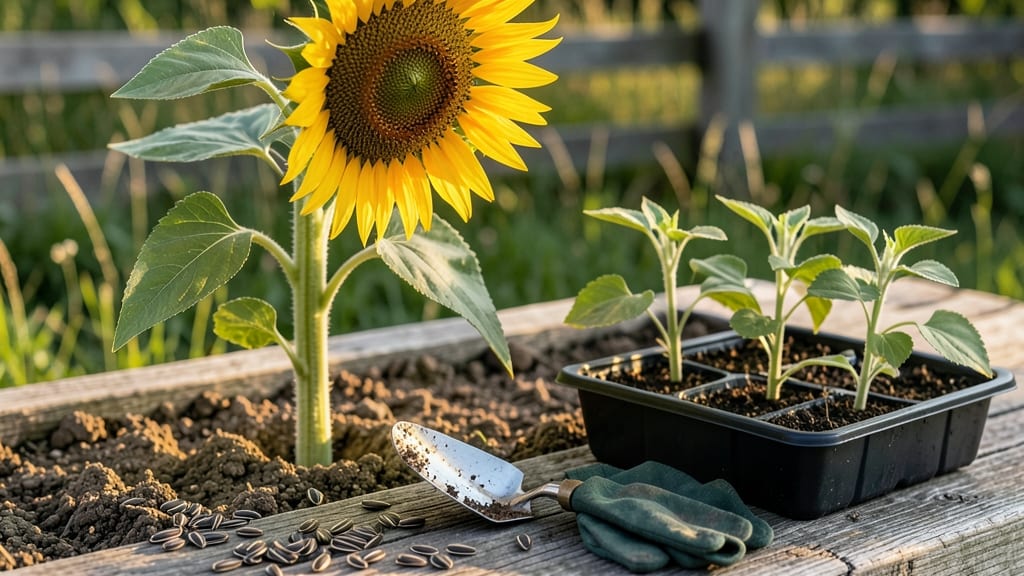
Planting sunflower seeds in Arkansas at the right time means the difference between towering 🌻 blooms and stunted plants that never reach their potential.
If you’ve ever watched your sunflowers wilt under a late spring frost or bolt in the summer heat, you know timing is everything. Arkansas’s USDA Zone 7b gives you two clear windows—spring and summer—but getting the dates wrong can mean lost harvests or weak stems.
Below, I break down the exact frost-free dates for your region, how to adjust for Arkansas’s microclimates, and the simple soil prep that ensures your seeds sprout strong and fast.
You’ll learn how deep to plant, when to thin seedlings, and even how to stretch the growing season for those late-summer blooms that last into October.
Arkansas sunflower planting timeline by USDA Zone 7b (with frost-free date guide)
Sunflowers in Arkansas USDA Zone 7b need precise timing to avoid frost damage or summer wilting. The last average frost date in most of Arkansas falls around March 15, but mountain regions may see frost until April 1.
For Zone 7b, this means spring planting should begin 2-3 weeks after your local frost-free date to ensure strong germination.
Sunflower seeds require soil temperatures above 55°F to sprout successfully.
In Arkansas, this typically occurs by mid-April in most areas, giving you a 6-8 week window before summer heat peaks. Summer planting (for fall blooms) works best from July 15 to August 15 when soil remains warm but temperatures begin cooling.
Key planting windows for Arkansas Zone 7b:
- Spring: April 15 - May 1 (after last frost)
- Summer: July 15 - August 15 (for fall blooms)
For Zone 7b gardeners, I recommend starting with dwarf varieties (like 'Teddy Bear') if space is limited, as they mature faster (50-60 days) and tolerate Arkansas's summer heat better than giant varieties. Standard types need 70-120 days to bloom, so plant them by May 1 for summer harvests.
If you're in northern Arkansas (closer to Zone 7a), wait until April 30 to plant—colder microclimates delay soil warming. Use a soil thermometer to confirm 55°F+ before sowing; seeds won’t sprout in cooler soil. Mulch with straw to maintain warmth and moisture during Arkansas's hot, dry spells.
For fall-blooming sunflowers, plant by August 1 to avoid early frost. These late plantings benefit from Arkansas's long summer days, which extend the growing season. Choose heat-tolerant varieties like 'ProCut' for reliable fall performance.
Pro tip: Mark your frost dates on a calendar and adjust planting by 1-2 weeks if your area runs warmer or cooler than average. Arkansas's microclimates can vary dramatically—check with your local Cooperative Extension Service for precise frost data.
After planting, maintain 1-2 inches of mulch to retain moisture and suppress weeds. Sunflowers in Arkansas need 1-2 gallons of water per week during dry spells, but once established, they’re drought-tolerant. Reduce watering as plants mature to prevent lodging (falling over) in heavy winds.
Watch for bird damage—Arkansas’s feathered friends love sunflower seeds! Use bird netting over young plants until they’re 4 feet tall. With the right timing, your sunflowers will reward you with vibrant blooms from summer through fall. 🌻
How to adjust sunflower planting dates for Arkansas’ microclimates (heat tolerance & drought tips)
Arkansas’ microclimates create unique challenges for sunflower growers. Northern regions like the Ozarks experience cooler springs, while southern areas like the Delta face intense summer heat. Even within cities like Little Rock, urban heat islands can push temperatures 5-10°F higher than rural areas.
These variations mean your planting window might need adjustment based on your specific location.
For heat-tolerant varieties, consider planting later in the season (June-July) to avoid bolting from spring warmth. Dwarf varieties like 'Teddy Bear' (3-4 ft tall) handle Arkansas heat better than giant 'Russian Giant' types (12+ ft).
Always check your USDA Zone—Zone 7b areas (like central Arkansas) can plant 2-3 weeks earlier than Zone 8a (southern Arkansas).
- 1 Northern Arkansas (Ozarks): Plant April 15-May 1 for spring blooms. Use row covers if frost threatens after April 15.
- 2 Central Arkansas (Little Rock): Opt for March 20-April 10 (spring) or July 1-August 1 (summer). Drought-resistant varieties like 'Autumn Beauty' thrive here.
- 3 Southern Arkansas (Delta): Delay until April 15-May 15 to avoid 90°F+ soil, which stunts germination. Mulch heavily to retain moisture.
- 4 Urban Heat Islands: Plant 1-2 weeks later than rural areas. Choose heat-tolerant seeds like 'ProCut' (used for birdseed) or 'Moulin Rouge' (bicolor blooms).
- 5 Drought Preparation: Soak seeds 24 hours before planting in lukewarm water. Use drip irrigation to deliver 1-2 inches of water weekly during dry spells.
To extend your blooming season, try succession planting every 2 weeks from April through July. This ensures continuous color and attracts pollinators like bees and butterflies. For late-season blooms, plant 'Autumn Beauty' in July—it thrives in Arkansas’ fall warmth and produces vibrant red, yellow, and green flowers.
Monitor your soil temperature with a soil thermometer—sunflowers need 60°F+ soil to germinate. If your soil runs cooler (common in shady microclimates), use black plastic mulch to warm it 5-10°F faster. In sandy soils (common in the Delta), mix in compost to retain moisture and nutrients.
For drought-prone areas, group sunflowers with companion plants like beans or cucumbers to improve soil moisture retention. Avoid planting near corn, as they compete for the same nutrients.
If rainfall drops below 1 inch per week, hand-water deeply at the base of the plant in the early morning to prevent fungal diseases like powdery mildew.
Remember, Arkansas’ humidity levels can accelerate sunflower growth—stay vigilant for pests like sunflower moths or diseases like rust. Rotate crops annually to prevent soil-borne issues. With these adjustments, your sunflowers will thrive year-round in Arkansas’ diverse climate. 🌻