
Vegetables
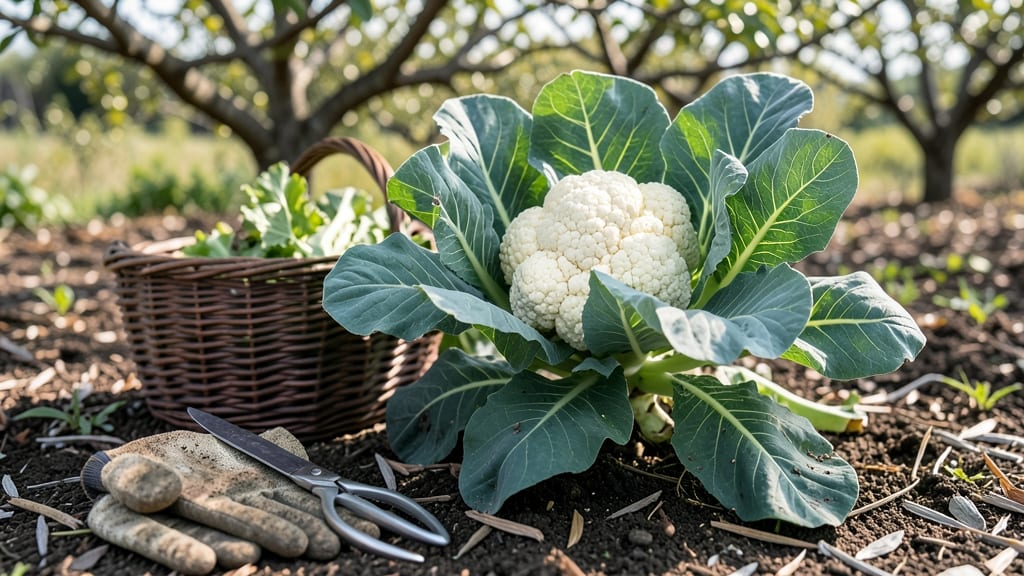
To pick cauliflower at the perfect moment means snagging that crisp, nutrient-packed curd before it turns tough or bitter — and missing the window costs you flavor and yield.
You’ve spent weeks nurturing your 🥬 plants, only to wonder: Is it ready now, or should I wait? The answer lies in a mix of size, color, and firmness — but timing also depends on your local climate and variety.
Get it right, and you’ll harvest heads that shine in every stir-fry, roast, or steamed dish.
In this guide, I’ll walk you through the telltale signs of a ready cauliflower head, from the ideal diameter to the right leaf color, plus how weather plays a sneaky role in readiness.
You’ll also learn how to avoid the two biggest mistakes that turn perfect heads into sad, overripe disappointments.
Whether you’re a first-time gardener or a seasoned grower, these tips will help you time your harvest like a pro — so you’re left with a bounty of buttery, flavorful curds instead of a garden full of regret.

How to identify perfectly ripe cauliflower before harvesting
Harvesting your cauliflower at the ideal moment ensures the best flavor, texture, and nutritional value. Unlike many vegetables, cauliflower doesn’t ripen after picking—so timing is everything. The key lies in observing three critical cues: head size, color consistency, and firmness.
If you wait too long, the curd will loosen and turn yellowish, while harvesting too early means a small, underdeveloped head.
Start by checking the curd diameter, which should reach 4-6 inches for most varieties. Smaller heads (under 3 inches) are usually not yet mature, while larger ones may have already started to bolting or discolor.
Next, examine the outer leaves—they should remain tightly wrapped around the head, not yellowing or opening prematurely. Finally, give the head a gentle squeeze: it should feel firm and dense, not spongy or hollow.
| Cue | Ready Signs | Not Ready Signs | Action |
|---|---|---|---|
| Head Size | 4–6 inches in diameter, compact | Under 3 inches, loosely formed | Wait 2–3 more days |
| Color | Vibrant white, purple, or green (no yellowing) | Dull, yellowing, or brown spots | Harvest immediately |
| Firmness | Solid, resists gentle pressure | Soft, spongy, or hollow | Check in 1–2 days |
| Leaves | Tightly wrapped, green, no gaps | Yellowing, opening, or separating | Harvest now to prevent bolting |
| Stem Test | Snaps cleanly when bent | Bends without snapping | Wait 1 more day |
Weather plays a surprising role in cauliflower maturity. Hot, dry conditions can cause heads to bolt prematurely, turning bitter or splitting open. If temperatures rise above 85°F (29°C), harvest sooner rather than later.
Conversely, cool, cloudy weather slows growth, so heads may take longer to reach ideal size. In these cases, monitor daily for color changes or leaf yellowing, which signal overmaturity.
Don’t overlook the variety-specific clues. Purple cauliflower, like Graffiti, should have a deep, even hue without streaks of green or brown. Orange varieties like Cheddar will develop a rich, creamy tone when ripe.
Always check the seed packet or plant tag for variety-specific maturity times—some hybrids mature in 60 days, while others take 100 days.
Morning is the best time to harvest because heads are coolest and firmest after overnight hydration. Use a sharp knife or pruning shears to cut the stalk about 1 inch below the curd. This leaves room for a second harvest if the plant produces side shoots.
After cutting, rinse the head gently and store it in a plastic bag in the fridge for up to 5 days—or cook it immediately for peak flavor.
If your cauliflower heads start to yellow or split, it’s a sign of overmaturity. While these heads are still edible, they’ll be less sweet and more fibrous. To salvage them, blanch and freeze for later use.
For future harvests, consider shading cloth during heatwaves or succession planting every 2 weeks to stagger maturity and avoid a single overwhelming harvest.
Pro tip: Keep an eye on the central stem. If it begins to elongate or flower, the plant is bolting—meaning the head is past its prime.
This is especially common in hot climates or late-season plantings. To prevent bolting, ensure consistent moisture and moderate temperatures, and avoid planting too close to summer’s peak.
For container growers, harvest timing is even trickier because pots can dry out faster. Check soil moisture daily and water deeply in the morning to maintain even growth.
Dwarf varieties like Snowball Y Improved may mature slightly faster than their in-ground counterparts, so monitor them closely every 2–3 days once they reach 3 inches in diameter.
Remember, the perfect cauliflower head is a balance of size, color, and firmness. When all three cues align, you’ve hit the sweet spot for harvesting. With practice, you’ll develop an instinct for spotting ripe cauliflower—just like picking the perfect tomato or zucchini. Happy harvesting! 🥬
Step-by-step guide to harvesting cauliflower without damaging the plant
Once your cauliflower reaches peak maturity, harvesting correctly ensures maximum flavor and encourages regrowth for a second harvest. The key is timing—picking too early means small, underdeveloped heads, while waiting too long risks bitterness or budding.
I’ve perfected a gentle method that preserves the plant while giving you the perfect curd every time.
Start by gathering your tools: a sharp knife or pruners, a bucket of water (to keep heads fresh), and a garden glove (to protect your hands from thorns on some varieties).
Work on a dry, sunny morning when the heads are firm and the soil is moist but not soggy. This timing minimizes stress on the plant and ensures your harvest stays crisp.
How to Harvest Cauliflower at Peak Ripeness
- Step 1: Check Maturity – Look for a compact head (4-6 inches wide) with tightly wrapped green leaves. The curd should feel firm to the touch, and the stem should snap easily when bent.
- Step 2: Use the Right Tool – Hold a sharp knife at a 45-degree angle, about 2-3 inches below the head. Cut cleanly to avoid tearing the stalk, which can invite pests.
- Step 3: Support the Head – Gently grasp the cauliflower head with your other hand while cutting to prevent it from rolling or bruising on the ground.
- Step 4: Rinse Immediately – Place the head in a bucket of cool water for 10 minutes to remove dirt and pests. This also helps maintain freshness for up to a week in the fridge.
- Step 5: Encourage Regrowth – After harvesting, trim any yellowed leaves and water the base deeply. In 60-70 days, your plant may produce a second, smaller head!
If your cauliflower is ready but you can’t harvest immediately, leave it on the plant for no more than 24 hours. Overripe heads develop yellow or brown spots, lose crispness, and taste bitter.
For varieties like Purple or Romanesco, harvest slightly earlier—their colors fade faster when exposed to heat.
Pro tip: Store harvested heads in a plastic bag with a damp paper towel in the fridge. This mimics the plant’s natural humidity and keeps them fresh for up to 10 days. For long-term storage, blanch and freeze the florets to preserve their nutrient density and texture.
After your first harvest, monitor the plant for side shoots. These smaller heads form at the base and can be harvested using the same method. Just reduce the cutting angle slightly to avoid damaging the main stalk. With proper care, one plant can yield 2-3 harvests in a season!
Remember, the sooner you harvest after noticing maturity signs, the better the flavor. Don’t let perfectionism wait—cauliflower’s peak window is narrow, and missing it means sacrificing that crunchy, mild taste we all love. Happy harvesting! 🥬