
How To
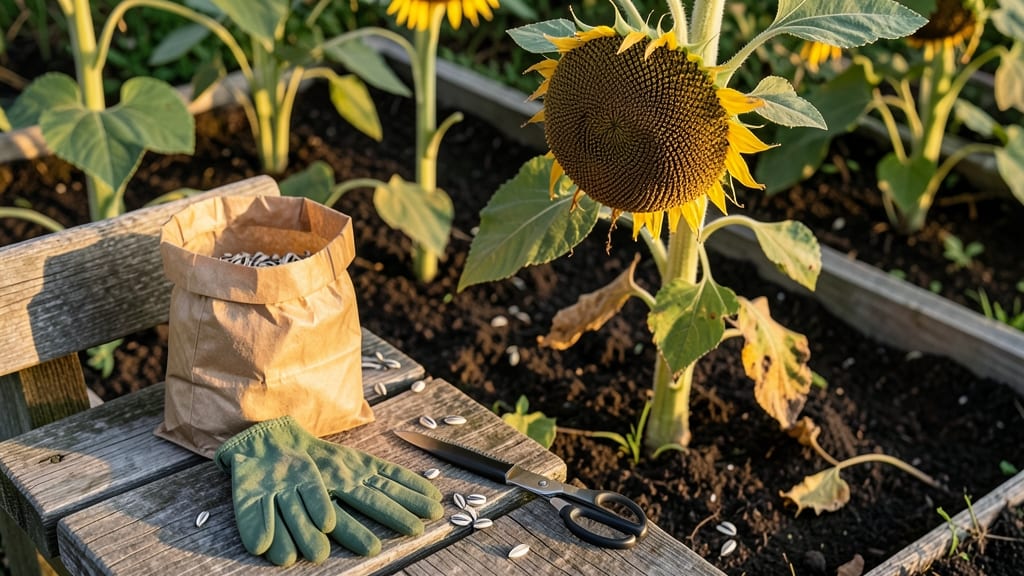
To pick sunflower seeds at the perfect time, watch for the back of the 🌻 head turning yellow and the petals drooping—this signals peak maturity and flavor.
Sunflower seeds are a gardener’s goldmine, but timing is everything. Harvest too early, and you’ll end up with bitter, shriveled seeds. Wait too long, and birds or frost will ruin your crop before you even get a chance to collect them.
Most sunflowers reach harvest readiness between September and October, but the exact moment depends on your variety and local climate. In USDA Zone 6a, for example, the first frost in late October can cut your window short—so knowing the signs of readiness is critical.
In this guide, I’ll walk you through the visual cues to spot, how to test seed firmness, and the best way to store them for future planting or snacking—so you never miss the sweet spot again.

Sunflower seed maturity stages: when to watch for harvest cues
Harvesting sunflower seeds at the perfect moment transforms your garden into a nutrient-rich treasure trove. But how do you know when those seeds are ready? It’s not just about waiting for the petals to fall—it’s about reading the plant’s signals like a pro.
The key lies in the seed head’s color, texture, and sound, all of which shift dramatically as seeds mature.
First, observe the back of the sunflower head. When it turns from green to dull yellow or brown, that’s your first clue. Meanwhile, the petals will start to droop and detach, revealing the seed-filled center.
These visual cues tell you the seeds are nearing peak flavor and viability—but timing is everything.
Here’s the truth: Picking too early means underdeveloped, bitter seeds that won’t store well. Waiting too long risks bird damage, mold, or seed loss as the head fully opens.
The sweet spot? When the head feels dry and papery and seeds rattle inside when shaken. Let’s break it down stage by stage.
| Maturity Stage | Visual Cues | Physical Test | Action |
|---|---|---|---|
| Early Maturity | Green back, vibrant petals | Seeds feel soft, no rattle | Wait 1-2 weeks |
| Optimal Harvest | Yellow/brown back, drooping petals | Seeds rattle, head feels dry | Harvest immediately |
| Overripe | Fully brown, petals gone | Seeds loose or moldy | Seeds may be bitter |
For a foolproof test, use the thumbnail method. Snap off a seed and press your thumbnail into it. If it leaves a dent but doesn’t crush, the seeds are perfect. If it crumbles easily, they’re overripe. This trick saves you from guessing—and from wasted effort drying underripe seeds.
Don’t ignore the weather forecast either. A sudden frost or heavy rain can ruin your harvest by causing mold or premature seed drop. If frost is in the forecast, harvest early and dry seeds indoors immediately. Conversely, in dry climates, wait until the head is fully dry before cutting.
Pro tip: Cut heads with 2-3 inches of stem attached. Hang them upside down in a dry, dark, well-ventilated space (like a garage or shed) for 2-3 weeks.
This mimics natural drying conditions and prevents mold. Once fully dry, rub the seeds free from the head—just be patient, as rushing can damage the shells.
Why does timing matter so much? Overripe seeds lose flavor and viability, while underripe ones fail to store properly. The oil content in seeds also peaks at optimal maturity, making them ideal for culinary or birdseed use.
For confectionary varieties, like ‘Autumn Beauty,’ harvest at the yellow-back stage for the sweetest taste.
Finally, store your dried seeds in an airtight container in a cool, dark place. Properly harvested and stored seeds can last up to a year, ready for planting or snacking.
Now that you’re armed with these cues, you’ll never second-guess harvest time again—just watch those sunflowers and let the plant tell you when it’s ready.
Best practices for harvesting sunflower seeds by variety type
Not all sunflowers mature at the same time, and their harvest timing depends on whether you’re growing oil-type varieties (like Mammoth) or confectionary types (like Autumn Beauty). Oil sunflowers typically take 90-120 days to reach maturity, while confectionary varieties mature in 80-100 days.
In USDA Zone 6a, this usually means late September to early October, but in warmer zones like Zone 8b, you might extend into November.
Climate plays a huge role—dry, sunny conditions speed up maturity, while cool, damp weather can delay it. For example, if you’re in a Pacific Northwest region with frequent rain, your seeds may stay moist longer, increasing the risk of mold or sprouting before harvest.
Always monitor local frost dates to avoid losing your crop to an early freeze.
- Step 1: Watch for yellowing on the back of the head—this signals seed maturity in oil-type varieties.
- Step 2: For confectionary types, wait until petals droop and the head feels dry and papery.
- Step 3: Shake the head—if seeds rattle loudly, they’re ready. If they’re silent, wait 3-5 more days.
- Step 4: Cut heads with 6-12 inches of stem using clean pruners to prevent mold during drying.
- Step 5: Hang heads upside-down in a dry, well-ventilated space (like a garage) for 2-4 weeks to fully dry.
Once you’ve cut the heads, drying properly is non-negotiable. Place them in a warm, dry location with good airflow—like a ventilated shed or garage. Avoid attics or basements, as high humidity can cause mold or sprouting.
If birds are a problem, cover heads with lightweight netting or bring them indoors immediately after cutting.
After drying, remove seeds by rubbing the head between two towels or gloves. Store them in airtight containers in a cool, dark place (like a pantry or fridge) for up to 6 months.
If you’re saving seeds for next year’s garden, label them with the variety name and harvest date to track performance.
One common mistake is overlooking regional adjustments. For example, in Zone 10a, where winters are mild, you might harvest as late as December. Meanwhile, in Zone 4a, you’ll need to rush harvest by mid-September to avoid frost. Always check your local frost dates and adjust accordingly.
Pro tip: If you’re growing multiple varieties, harvest them separately—oil types and confectionary types mature at different rates, and mixing them can lead to uneven drying or flavor issues. Keep an eye on each plant individually for the best results.