
Plants
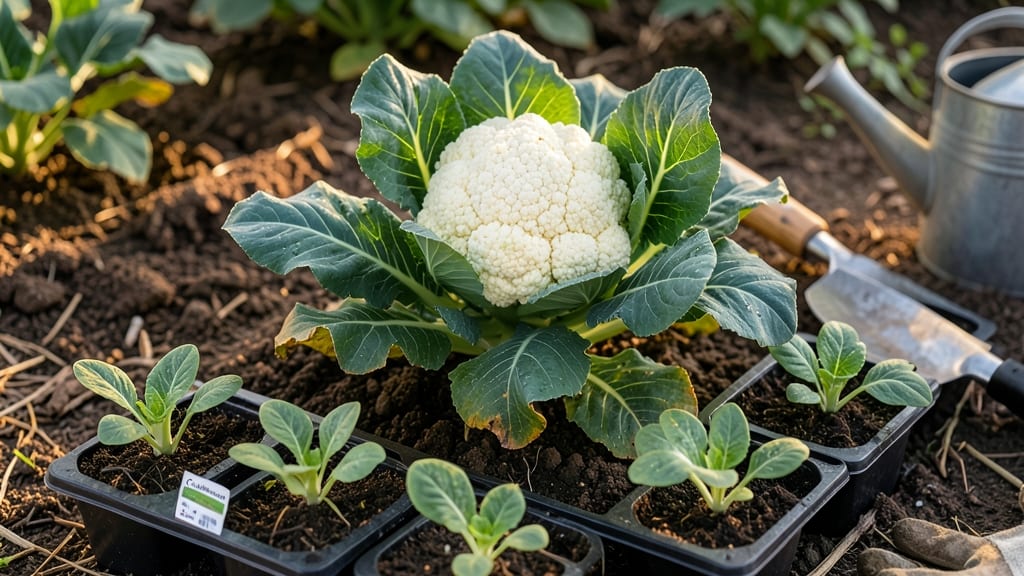
Planting cauliflower in Florida requires timing it just right to avoid the heat or frost — aim for August through October for fall harvests or January through February for winter crops.
Florida’s warm winters and unpredictable frost make timing your cauliflower planting a critical skill — get it wrong, and you’ll lose your crop to heat stress or bolting. But with the right variety and schedule, you can grow crisp, flavorful heads year-round in the Sunshine State.
Most Florida gardeners focus on fall planting, when temperatures drop enough for 🥬 to thrive, but winter varieties like 'Graffiti' can handle mild freezes. The key is starting seeds indoors or buying transplants 6-8 weeks before your first frost date.
In this guide, I’ll break down the exact frost-free planting windows for your region, the best varieties for Florida’s climate, and how to protect your crop from unexpected cold snaps or summer heat.
Florida cauliflower planting calendar by variety and season
Florida’s microclimates create unique challenges for growing cauliflower. Unlike northern states, we don’t have to worry about harsh winters—but we do face unpredictable frosts and relentless summer heat. The key is choosing the right variety and planting at the optimal time to avoid bolting or heat stress.
For most of Florida, the best planting windows are fall and early winter, when temperatures stay mild.
North Florida (Zones 8a-9a) has cooler winters, allowing for earlier fall plantings, while South Florida (Zones 10a-11) can grow cauliflower year-round with shade protection. Central Florida (Zone 9b) offers a sweet spot for both fall and spring harvests.
Let’s break down the planting calendar by variety and region to maximize your success.
⚠️ CRITICAL NOTE: Cauliflower hates heat—temperatures above 80°F cause bolting. In Florida, this means summer plantings are nearly impossible without shade cloth. Always aim for 60-70°F soil temperatures at planting time.
For North Florida gardeners, focus on fall plantings between mid-August and mid-September. This gives plants time to establish roots before cooler weather arrives. In Central Florida, you can extend your window slightly later—up to October 15—thanks to milder winters.
Meanwhile, South Florida growers have the luxury of planting year-round, though summer plantings require shade cloth to prevent bolting.
Spring plantings are trickier in Florida. While you can try January-February sowings for a spring harvest, the risk of heat stress increases rapidly. If you attempt spring cauliflower, use heat-tolerant varieties like Graffiti or Cheddar and provide afternoon shade.
For most gardeners, fall is the safest bet for reliable harvests.
One pro tip for Florida gardeners: Succession planting every 2-3 weeks during your chosen window ensures a continuous harvest. For example, if you plant Snowball on August 15, follow up with another batch on September 1 and September 15 to stagger your harvest through
How to extend Florida’s cauliflower growing season without frost
Florida’s unpredictable frost dates and hot summers can derail cauliflower growth if you’re not prepared. The key is strategic timing and protective measures to shield plants from late frosts or heat stress. With the right approach, you can grow cauliflower year-round, even in Zone 8-11 climates.
Start by choosing heat-tolerant varieties like 'Graffiti' or 'Purple of Sicily', which handle Florida’s warm winters better than traditional types. These varieties also resist bolting—a common issue when temperatures spike unexpectedly. Pair them with succession planting to ensure a steady harvest.
⚠️ callout-warning
North FL: Frost possible Dec 1-Jan 15—plant row covers or use low tunnels for protection. Central FL: Rare frost after Jan 15; focus on shade cloth for summer heat. South FL: Frost is unlikely, but heat stress is the bigger threat—use drip irrigation and mulch to retain moisture.
To protect your plants from late frosts, use floating row covers or lightweight blankets when temperatures dip below 40°F. These barriers trap heat without restricting airflow, preventing frost damage while allowing sunlight through.
For summer heat, deploy 30-50% shade cloth to lower soil temperatures and reduce bolting risk.
Managing soil temperature is equally critical. Cauliflower thrives in 60-70°F soil, so avoid planting when ground temps exceed 80°F. Use black plastic mulch in summer to cool roots or straw mulch in winter to insulate against frost.
Test soil moisture regularly—consistent watering prevents stress that weakens plants during temperature swings.
For succession planting, stagger sowings every 2-3 weeks from August to October for fall harvests, and again from January to February for spring. This ensures you always have young, resilient plants that can handle Florida’s microclimates.
In South Florida, where frost is rare, focus on shade and water management to avoid summer bolting.
Finally, monitor weather forecasts and adjust protections accordingly. A frost warning? Cover plants immediately. A heatwave approaching? Increase watering and shade. With these strategies, you’ll extend your cauliflower season and enjoy fresh harvests year-round—no frost required! 🥬