
Flowers
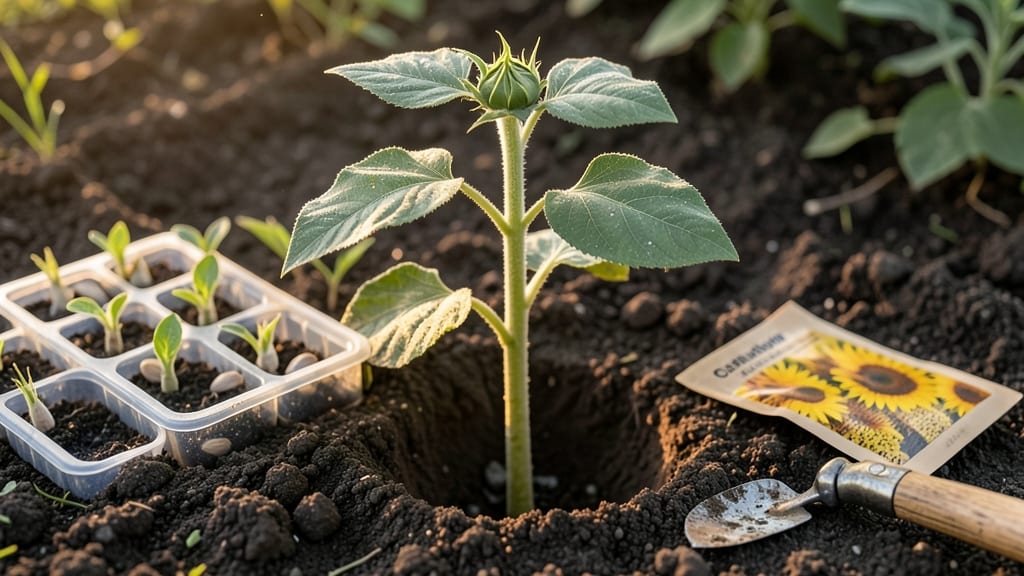
To plant sunflowers in North Florida, aim for mid-March to early May or late July to early August when soil temperatures rise above 50°F and frost risks fade.
North Florida’s warm climate can grow sunflowers year-round—but timing is everything for maximizing height, bloom size, and seed production. Plant too early, and you risk heat stress; too late, and you miss the frost-free window for full growth.
Sunflowers 🌻 thrive in USDA Zones 8a-9a, where the last frost typically passes by mid-March, giving you a 240-day growing season. That means two ideal planting windows: spring for early blooms and summer for late-season harvests.
Here’s how to time it perfectly for fast growth, avoid common pitfalls, and pick the best varieties for your region—whether you’re in Jacksonville, Gainesville, or the panhandle.
North Florida sunflower planting calendar: best months by variety type
North Florida’s USDA Zones 8a-9a offer a 240-day frost-free window, perfect for growing sunflowers year-round—but not all varieties thrive in the same heat. Giant sunflowers like 'Mammoth' need cooler spring soil, while dwarf varieties like 'Teddy Bear' handle summer’s humidity better.
Coastal areas (like Jacksonville) stay warmer longer than inland spots (like Gainesville), so adjust your timeline accordingly.
For optimal growth, plant when soil temperatures reach 50°F+—too early, and seeds rot; too late, and you risk heat stress before blooming. Spring plantings (March-May) give giant varieties time to mature before summer’s intensity, while summer plantings (July-August) work best for shorter, heat-tolerant types.
| Variety Type | Best Planting Window | Soil Temp Requirement | Mature Height | Days to Harvest | Notes |
|---|---|---|---|---|---|
| Giant (e.g., 'Mammoth', 'Russian Giant') | Mid-March to early May | 50-60°F | 10-15 ft | 90-120 days | Cooler soil needed; avoid summer heat |
| Dwarf (e.g., 'Teddy Bear', 'Pomeranian') | Late July to early August | 60-70°F | 1-3 ft | 60-80 days | Heat-tolerant; great for containers |
| Confetti (e.g., 'Autumn Beauty', 'ProCut') | February or September | 55-65°F | 4-6 ft | 70-90 days | Multi-colored blooms; avoid peak summer |
| All Varieties | Coastal: 2 weeks earlier | N/A | N/A | N/A | Warmer microclimate extends growing season |
In coastal North Florida (e.g., Jacksonville), plant 2 weeks earlier than inland areas like Gainesville—warmer ocean breezes delay frost. For example, 'Russian Giant' seeds can go in late February near the coast but wait until mid-March inland. Soil temperature is your best guide: use a soil thermometer to confirm readiness.
If you miss the spring window, don’t despair—summer plantings still work for dwarf and confetti varieties. Start seeds indoors in late June and transplant after July 4th to avoid heat shock. Shade cloth (30-50%) can help young plants acclimate during Florida’s 90°F+ afternoons.
For giant sunflowers, prioritize spring planting to avoid bolting (premature flowering) from summer’s intensity. 'Mammoth' varieties need 120 days to mature, so plant by April 15th for a late-summer harvest. Succession planting every 2 weeks in spring ensures continuous blooms.
Adjust your watering schedule based on variety: giant sunflowers need deep watering 2-3x/week, while dwarf types tolerate weekly watering once established. Morning watering prevents fungal diseases like powdery mildew, common in North Florida’s humid summers.
Pro tip: Mulch with straw or pine needles to retain moisture and regulate soil temperature. This is especially critical for summer plantings, where bare soil can hit 100°F and cook seeds. Organic mulch also suppresses weeds, giving your sunflowers an uninterrupted growth boost.
Harvest times vary by variety: dwarf sunflowers may be ready in 60 days, while giant types take up to 120 days. Watch for seed heads that feel heavy and firm—this signals peak harvest time. Cut stems at a 45-degree angle to encourage regrowth if you’re saving seeds.
North Florida’s long growing season means you can enjoy sunflowers from spring to fall, but timing matters. Use this calendar to match varieties with your microclimate, and you’ll reap taller stems, bigger blooms, and more seeds than ever before. Happy planting! 🌻
How to extend your sunflower growing season in North Florida’s humid heat
North Florida’s summer monsoons and 90°F+ temperatures can stress sunflowers, causing them to bolt prematurely or develop fungal diseases. However, with the right strategies, you can grow sunflowers year-round—even in the hottest months.
The key is balancing water management, shade protection, and soil care to keep plants thriving.
For late-summer plantings (August-September), use shade cloth (30-50%) to protect seedlings from intense afternoon sun. This mimics spring conditions and prevents heat stress while allowing enough light for photosynthesis. Pair this with drip irrigation to keep soil consistently moist without wetting foliage, reducing fungal risks like powdery mildew.
⚠️ WARNING: Common Mistakes That Kill Sunflowers in Florida Heat ⚠️
⚠️ Overwatering – Soggy soil leads to root rot. Water deeply 2-3 times per week (1-2 gallons per plant) but avoid standing water.
⚠️ Ignoring Soil pH – Sunflowers thrive in 6.0-7.5 pH. Test your soil—Florida’s sandy soils often need compost or lime for optimal growth.
To prevent bolting in extreme heat, choose heat-tolerant varieties like 'Autumn Beauty' or 'Moulin Rouge', which handle Florida’s climate better than standard types. Start seeds indoors 4-6 weeks before outdoor transplanting (around June 15) to give them a head start.
Use black plastic mulch to warm soil faster and retain moisture.
For fungal disease prevention, apply a neem oil spray every 2 weeks during humid months. Space plants 18-24 inches apart to improve air circulation, and remove yellowing leaves immediately to stop pathogen spread.
If powdery mildew appears, switch to baking soda spray (1 tsp baking soda + 1 quart water + drop of soap).
Adjust your watering schedule based on rainfall patterns. During Florida’s summer monsoons, water every other day in the morning to reduce evaporation. In dry spells, increase to daily watering until plants are established. Mulch with straw or wood chips to lock in moisture and regulate soil temperature.
With these techniques, you can enjoy sunflowers blooming from spring to fall—even in North Florida’s brutal heat. Start with shade cloth and drip irrigation, monitor soil moisture closely, and choose the right varieties.
Your garden will reward you with taller stems, bigger blooms, and heavier seed heads all season long. 🌻