
Plants
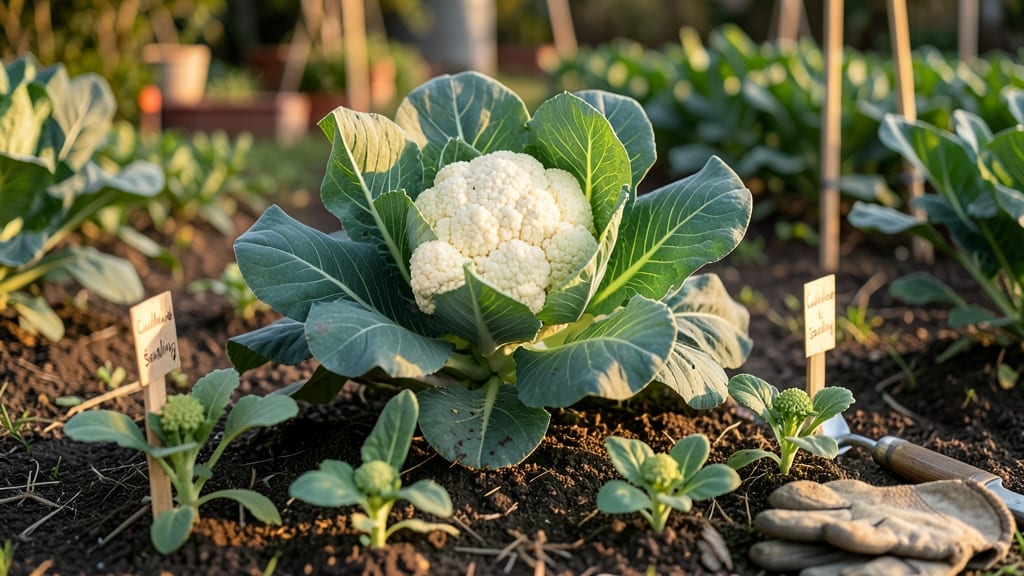
Planting cauliflower in NC at the right time means the difference between a bountiful harvest and a wasted effort 🥬—and the window is narrower than you might think.
North Carolina’s mild winters and hot summers create the perfect window for growing cauliflower—but timing is everything. Plant too early, and frost will ruin your heads; too late, and summer heat will bolt your plants before harvest. Here’s your precise frost-date guide to maximize yields in NC’s climate zones.
Most gardeners in zones 7a-8b focus on two planting windows: early spring (February–March) and late summer (August–September). The key is planting 4–6 weeks before the last frost for spring crops or 10–12 weeks before the first frost for fall harvests.
Coastal areas like Wilmington have later frost dates than the Piedmont, so adjust accordingly.
Below, I break down the exact frost dates by region, how to prep your soil for success, and the one mistake that causes 80% of NC gardeners to lose their cauliflower crop—before it even forms.
North Carolina frost dates for cauliflower planting by region
Cauliflower thrives in North Carolina’s cool-season climate, but frost dates dictate your planting success. The state’s 7 climate zones—from the Coastal Plain to the Mountains—experience frost 2-4 weeks apart.
Miss the window, and you’ll either lose plants to late frosts or watch them bolt in summer heat. Here’s how to align your planting with NC’s last spring frost and first fall frost dates.
For spring plantings, aim to transplant 4-6 weeks before your region’s last frost. In NC’s Coastal Plain (Zone 8a), this means starting seeds indoors in January for outdoor planting by mid-February.
Meanwhile, Mountain regions (Zone 6b) can wait until late March for transplanting, as their frosts linger longer. Fall crops require 10-12 weeks before the first frost—so in the Piedmont (Zone 7b), seed in early August for October harvests.
Microclimates add complexity. A south-facing slope in the Blue Ridge may warm up 10 days earlier than a low-lying valley. Use USDA zone maps as a baseline, then adjust by 1-2 weeks based on your yard’s exposure.
For example, Asheville’s Zone 7a might see its last frost March 20, while Raleigh’s Zone 7b averages March 10. Always check local weather records for the past 5 years to refine your timing.
Key frost dates by NC region:
- Coastal Plain (Zones 8a-8b): Last frost March 1-15; first frost November 20-December 5.
- Piedmont (Zones 7a-7b): Last frost March 10-25; first frost November 10-25.
- Mountains (Zones 6b-7a): Last frost April 1-15; first frost October 15-November 10.
Your spring cauliflower should be ready to harvest by late May in the Coastal Plain or early July in the Mountains. For fall crops, aim to harvest before hard frosts hit—typically by mid-November in the Piedmont and early November in the Coastal Plain.
If your fall heads aren’t ready, use row covers to extend the season by 2-4 weeks.
Pro tip: Start seedlings indoors 6-8 weeks before your last frost date. Use grow lights to prevent leggy seedlings, and harden them off for 1 week before transplanting. In Zone 8a, this means indoor starts by January 1 for outdoor planting by March 1.
For fall crops, direct-sow seeds 4-6 weeks before your first frost—so July 15 in the Mountains or August 1 in the Coastal Plain.
Don’t overlook soil temperature. Cauliflower seeds need 40-50°F soil to germinate. In warmer zones (8a
Step-by-step planting timeline for NC’s two harvest seasons
Cauliflower thrives in NC’s cool-season windows, but missing the timing leads to bolting or frost damage 🥬. My strategy focuses on two planting cycles: spring (February–March) and fall (August–September). Each requires different prep—whether starting seeds indoors or direct-sowing outdoors.
For spring crops, I start seeds 6–8 weeks before last frost (typically mid-February in the Piedmont, later in coastal zones). Fall plantings need a 10–12 week head start before first frost (late August for Mountains, early September for Coastal Plain).
Below, I break down the exact steps to avoid common pitfalls like heat stress or overcrowding.
Spring Planting Timeline (Cool-Season)
- 📅 Late January–February: Start seeds indoors under grow lights (6–8 weeks before last frost). Use seedling trays with sterile mix.
- 🌱 Mid-February: Harden off seedlings (5–7 days outdoors in shade). Transplant 4–6 weeks before last frost (Piedmont: ~March 15; Coastal: ~March 30).
- 🌡️ March–April: Monitor soil temps—ideal range is 50–75°F. Use row covers if nights dip below 40°F.
- 💧 April–May: Increase water to 1–2 inches/week. Harvest heads when 6–8 inches wide and firm (May–June).
Fall Planting Timeline (Winter-Protected)
- 📅 Late July–August: Start seeds indoors (10–12 weeks before first frost). Use heat-tolerant varieties like ‘Purple of Sicily’ for NC’s summer heat.
- 🌱 Early September: Transplant seedlings 18–24 inches apart in well-draining soil. Add compost for fertility.
- 🌡️ September–October: Protect with frost blankets when temps drop below 45°F. Harvest before hard frost (October–November).
- ⚠️ Critical Tip: Avoid planting fall crops after mid-September—late starts risk bolting from shortening days.
One mistake I see often? Skipping soil pH testing—cauliflower needs 6.0–7.0 pH. Amend with lime if your soil is too acidic. Also, mulch heavily in fall to insulate roots during cold snaps.
For extended seasons, I use low tunnels in late fall or shade cloth in summer to prevent bolting. These tweaks let me harvest two crops per year reliably, even in NC’s variable climate 🌿.
Pro tip: Mark your frost dates on a calendar and set reminders for transplanting and harvest windows. Consistency is key—cauliflower rewards patience with tender, flavorful heads!