
Plants
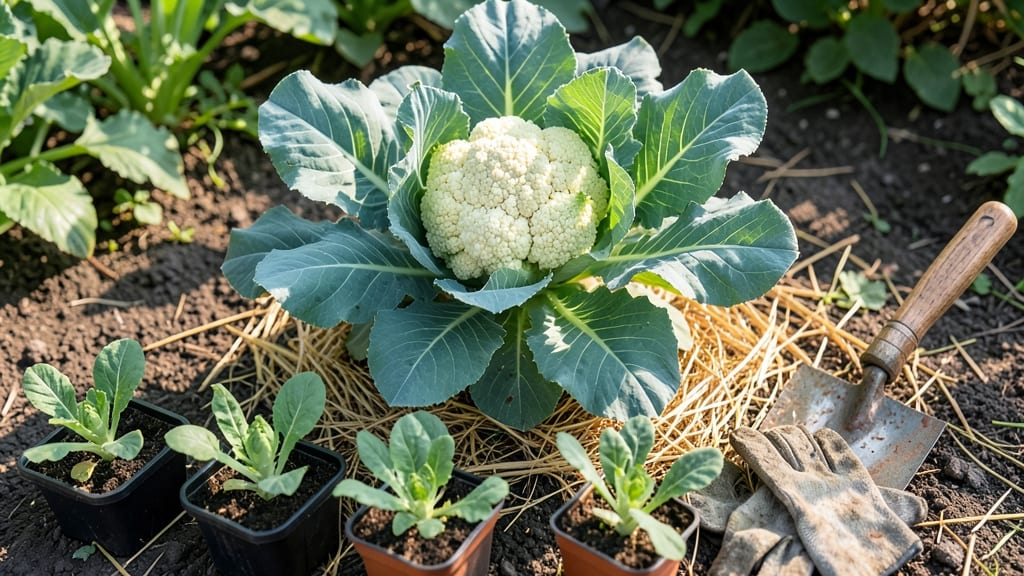
Planting cauliflower in Zone 9b 🥬 at the wrong time means bolting before you even get a harvest—here’s the exact schedule to avoid that disaster.
Struggling to grow perfect cauliflower in Zone 9b’s brutal heat? Planting at the wrong time can send your crop bolting before you even get a harvest—here’s the exact schedule to avoid that disaster.
In Zone 9b, where summers are scorching and winters mild, timing is everything. The key is planting cauliflower in October or November for a fall/winter crop, or in February or March for a spring harvest.
These windows keep temperatures in the ideal 60-75°F range, preventing bolting and ensuring sweet, firm heads.
Below, I’ll break down the best months, how to time successions for continuous harvests, and the Zone 9b-specific mistakes that kill cauliflower—so you can finally grow the perfect crop without the stress.
Best planting months for cauliflower in Zone 9b (avoiding bolting)
Growing cauliflower in Zone 9b is tricky because the relentless summer heat forces plants to bolt prematurely. The key? Planting during cool-season windows when temperatures stay between 60-75°F.
I’ve learned the hard way—skipping this rule means watching your crop send up flower stalks before forming a single edible head!
Your best bets are fall planting (October-November) for winter harvests or early spring (February-March) before the heat ramps up. Both strategies work, but timing is everything. Let’s break down the exact windows and how to calculate your last harvest date to beat the summer heat.
| Planting Window | Ideal Months | Harvest Window | Temperature Range | Key Tip |
|---|---|---|---|---|
| Fall Planting | October - November | January - April | 60-70°F | Start seeds indoors 6-8 weeks before transplanting |
| Spring Planting | February - March | May - June | 65-75°F | Use shade cloth (30-50%) to protect seedlings |
| Extended Fall (Risky) | Late September | November (limited) | 70-78°F | Only for heat-tolerant varieties like 'Cheddar' |
For fall planting, aim to transplant seedlings by mid-October so they mature before winter temperatures drop below 50°F. Most varieties take 70-100 days to harvest, so count backward from your last expected frost-free date (which in Zone 9b is essentially year-round, but heat is the real enemy).
Spring planting is riskier because Zone 9b’s heat arrives fast. Transplant by late February at the latest, and expect harvests by June before temperatures exceed 80°F.
Use shade cloth or plant in partial shade to delay bolting. I’ve had success with 'Snowball Y Improved' in spring, but it requires constant monitoring.
To calculate your last harvest date, subtract 70 days from your first expected 90°F+ day. For example, if your summer heat typically kicks in by mid-May, count back to early March for your final spring planting. This ensures you harvest before the heat forces bolting.
One trick I’ve picked up from local Zone 9b gardeners is to use mulch heavily (straw or wood chips) to keep soil temps cool. Cauliflower roots are sensitive to heat, and even a 5°F soil temp increase can trigger bolting.
Pair this with drip irrigation to maintain even moisture—drought stress is another bolting trigger.
For heat-tolerant varieties, try 'Graffiti' (purple) or 'Romanesco', which handle slightly warmer conditions. But even these will struggle if daytime temps hit 85°F+. If you’re determined to grow cauliflower in summer, consider container gardening with afternoon shade and daily watering.
It’s extra work, but worth it for that fresh harvest!
Remember: Bolting is preventable in Zone 9b, but only if you respect the plant’s temperature limits. Stick to the fall or early spring windows, protect your seedlings from heat stress, and you’ll enjoy crisp, sweet heads all winter and spring.
The payoff of a successful cauliflower harvest after beating Zone 9b’s heat is unbeatable!
How to time cauliflower successions for continuous harvests in Zone 9b
Zone 9b’s long growing season and intense summer heat make staggered cauliflower plantings your secret weapon for non-stop harvests. By spacing out your plantings every 2-3 weeks, you’ll avoid the bolting disaster that turns your crop into bitter, seed-filled stalks before it matures.
The key? Precision timing and heat management—here’s exactly how to pull it off.
Start your first batch of cauliflower seedlings indoors 8-10 weeks before your target outdoor planting date. For Zone 9b, this means mid-August to early September for your fall/winter crop.
Seedlings need cool temperatures (60-75°F) to thrive, so avoid starting them during Zone 9b’s scorching summers. Use grow lights if your indoor space gets too hot.
Step-by-Step Succession Planting Schedule for Zone 9b
- 1 Start seedlings indoors: August 15–September 1 (8–10 weeks before first outdoor planting).
- 2 First outdoor transplant: October 1–15 (when soil temps drop below 80°F).
- 3 Succession plantings: Every 2–3 weeks until November 15 (last batch for fall crop).
- 4 Spring prep: Start second batch of seedlings February 1–15 (for May–June harvests).
- 5 Heat protection: Use 30–50% shade cloth during 10 AM–4 PM for summer plantings.
Transplant your 4–6 week-old seedlings into the garden when they’re 3–4 inches tall and hardened off. Space them 18–24 inches apart in well-draining soil with a pH of 6.0–7.0.
Zone 9b’s heavy clay soils often need amendments like compost or sand to prevent waterlogging. Mulch with straw or wood chips to keep roots cool and retain moisture.
For summer plantings (if you’re daring), use shade cloth to block 30–50% of sunlight during the hottest hours (10 AM–4 PM). This mimics cool-season conditions and prevents bolting.
Remove the cloth by late afternoon to allow photosynthesis. Pair this with daily morning watering to keep soil consistently moist but not soggy.
Calculate your harvest timeline by adding 70–90 days to your transplant date. For example, if you plant on October 15, expect harvests by January 1–February 15. Staggered plantings ensure you’re always 3–4 weeks apart from the next batch, creating a rolling harvest that lasts until April.
Save seeds from your best heads for next year’s spring plantings!
Pro tip: Monitor your plants daily for signs of heat stress, like yellowing leaves or premature bolting. If temps rise above 85°F for more than 2–3 days, provide extra shade or move containers to a cooler microclimate.
With this schedule, you’ll enjoy fresh cauliflower straight from your garden for 6+ months—no grocery store in sight! 🥬