
Flowers
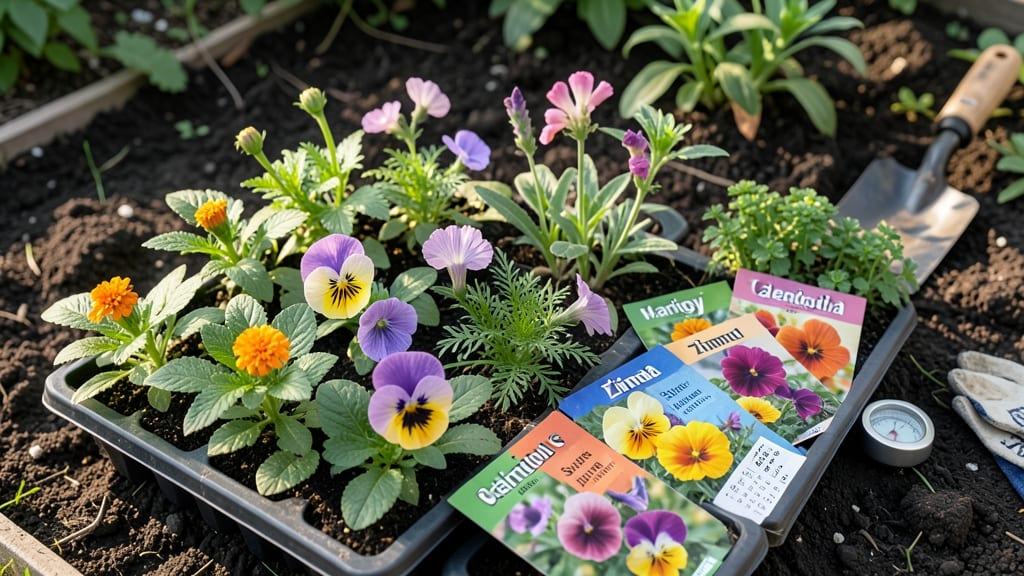
To plant flower seeds in Minnesota, aim for mid-April to mid-June after the last frost or late July to early August for fall blooms—timing makes all the difference for those 🌸 dreams.
Minnesota’s unpredictable climate can make timing your flower seed planting a real challenge—but getting it right means vibrant blooms instead of frost-killed dreams. Whether you’re in the Twin Cities or Duluth, knowing your hardiness zone (3-5) and average frost dates is the key to success.
Spring planting starts indoors 6-8 weeks before your last frost date, while summer and fall varieties thrive when direct-sown after soil warms. Urban gardeners may need to adjust for microclimates, like heat islands or sheltered spots.
Below, I’ll break down the best planting windows by season, soil prep tips, and which flowers handle Minnesota’s short growing season like a pro—so you can enjoy blooms from June to frost.
Minnesota flower seed planting dates by hardiness Zone (2024 guide)
Timing your flower seed planting in Minnesota depends heavily on your hardiness zone and the type of blooms you’re cultivating. With USDA zones 3-5 across the state, frost dates can vary by 2-3 weeks between northern and southern regions.
For example, Duluth (Zone 4a) typically sees its last frost around May 15, while the Twin Cities (Zone 4b) average May 10. Getting these dates right ensures your annuals and perennials thrive instead of wilting under late frosts.
Minnesota’s short growing season means strategic planning is key. Most flower seeds should be sown after the last frost, but cold-hardy varieties like pansies and sweet peas can handle early spring plantings as soon as soil is workable.
Fall planting is also an option for hardy annuals like calendulas and snapdragons, which can bloom into early winter before frost sets in. Let’s break down the ideal planting windows for each zone to maximize your garden’s potential.
🌱 Key Tip: Always check your local frost-free date using resources like the National Weather Service or Old Farmer’s Almanac, as microclimates (like urban heat islands) can shift dates by 1-2 weeks.
For Zone 3 gardeners in northern Minnesota, patience is key—wait until June 1 to plant most annual flower seeds to avoid late spring frosts.
In these colder regions, focus on cold-tolerant varieties like pansies and sweet peas, which can handle light frosts and even bloom in early spring.
If you’re eager to start earlier, consider indoor seed starting 6-8 weeks before your last frost date for heat-loving flowers like tomato flowers or zinnias.
Gardeners in Zone 4a (Duluth and Brainerd) have a slightly longer window, with May 20 marking a safe date for direct sowing. This zone benefits from late-summer plantings in late July, perfect for fall-blooming annuals like cosmos and snapdragons.
Use row covers if planting earlier to protect tender seedlings from unexpected late frosts.
In Zone 4b (Twin Cities area), the earliest planting window opens around May 15, allowing for a longer growing season. This zone is ideal for perennial flowers like coneflowers and black-eyed Susans, which thrive in Minnesota’s humid summers.
For fall color, plant zinnias and marigolds by August 1 to enjoy blooms until the first frost.
Southern Minnesota’s Zone 5 offers the earliest opportunities, with April 30 being a safe bet for warm-season flowers. Here, you can even experiment with early spring plantings of hardy annuals like calendulas under cloche protection.
For fall interest, extend your season by sowing pansies and sweet peas as late as August 5.
Regardless of your zone, always monitor soil temperatures—most flower seeds need soil to be at least 50°F (10°C) for optimal germination. Use a soil thermometer to avoid planting too early when cold soil can stunt seedling growth.
If you’re unsure, opt for slow-germinating varieties like sunflowers or marigolds, which are more forgiving than delicate petunias or impatiens.
Pro tip: Keep a gardening journal to track your local frost dates and adjust future plantings. Over time, you’ll notice patterns—like urban areas warming faster than rural zones—that can help refine your timing. With the right approach, Minnesota’s short season can yield stunning flower displays from spring to fall!
Best flowers to plant by season in Minnesota (with seed starting tips)
Minnesota’s short growing season demands smart planning to maximize your flower garden’s potential. Cold-hardy annuals like pansies and sweet peas thrive in spring and fall, while heat-loving varieties such as zinnias and marigolds shine in summer. Perennials like coneflowers and black-eyed Susans offer year-round interest with minimal effort.
Indoor seed starting is your secret weapon for beating Minnesota’s late frosts. Slow germinators like delphiniums and lupines need a head start, while fast growers like marigolds can often be direct-sown after the last frost.
Timing is everything—plant too early, and frost will strike; too late, and your blooms will arrive after summer’s peak.
- Early Spring (March–April): Start pansies, sweet peas, and calendulas indoors 6–8 weeks before last frost (mid-May in most zones). Direct-sow hardy annuals like lobelia after soil warms to 40°F.
- Late Spring (May–June): Plant zinnias, cosmos, and sunflowers after last frost. Start perennials like coneflowers indoors in March for transplanting in May.
- Summer (July–August): Sow marigolds, nasturtiums, and black-eyed Susans for fall blooms. Use row covers to protect tender seedlings from late frosts.
- Fall (September): Plant pansies, stocks, and snapdragons for winter color. Avoid planting after mid-September in Zone 3.
For cold-tolerant annuals, like pansies and sweet peas, I recommend sowing seeds indoors in March to give them a jumpstart. These flowers can handle light frosts, making them perfect for Minnesota’s Zone 3–5 climate.
Place seed trays under grow lights or on a sunny windowsill to ensure strong seedlings before transplanting outdoors in May.
Heat-loving flowers such as zinnias and marigolds should wait until after the last frost, typically mid-May in most of Minnesota. These varieties thrive in full sun and well-draining soil, so choose a warm, sheltered spot in your garden.
If you’re in Zone 4 or 5, consider using black plastic mulch to warm the soil faster and extend the growing season.
Perennials like coneflowers and black-eyed Susans are low-maintenance and perfect for Minnesota gardens. Start their seeds indoors in March or purchase young plants to transplant in May.
These hardy plants will return year after year, providing season-long color with minimal effort. Just ensure they have 6+ hours of sun and moderate watering.
Don’t forget to deadhead spent blooms to encourage more flowers and extend the season. For fall planting, focus on hardy annuals like pansies and stocks, which can survive light frosts and brighten up winter landscapes.
With these seasonal strategies, your Minnesota garden will burst with color from spring to frost! 🌷