
Flowers
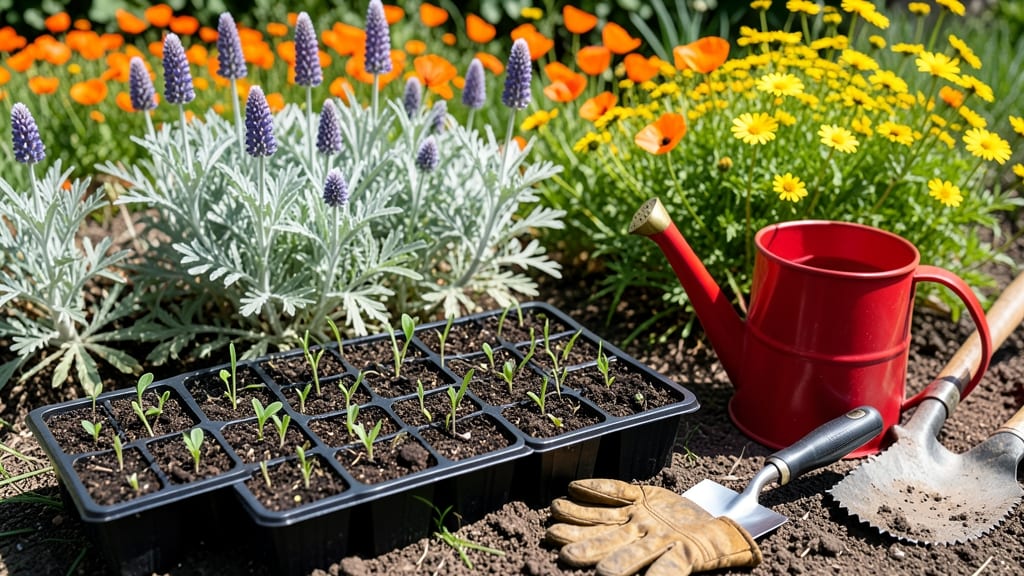
To plant flowers in California at the right time means timing your garden around frost-free dates and microclimates—whether you’re in foggy San Francisco or scorching Palm Springs.
California’s diverse climate—from coastal fog to desert heat—means planting flowers at the wrong time can leave you with wilting disappointment instead of vibrant blooms. But mastering the perfect planting window guarantees flowers that thrive year-round, whether you're in frost-prone Sacramento or sunbaked Palm Springs.
Annuals like marigolds and petunias love the spring soil once temperatures stay above 50°F, while perennials such as lavender and rosemary prefer fall planting to establish roots before winter. Bulbs, like tulips, need a cool spell to bloom, so timing matters even more.
Below, I break down the exact months for each USDA zone, plus drought-resistant picks that won’t wilt in California’s dry summers—so you can plant with confidence and enjoy blooms all season.
California planting zones: when to plant flowers by climate region
California’s 14 USDA planting zones create a gardening puzzle—what thrives in coastal San Francisco (Zone 9b-10a) wilts in desert Palm Springs (Zone 10b-11). The key? Planting flowers at the right time based on your microclimate and frost-free dates.
Coastal areas have mild winters with late frosts, while inland valleys experience earlier spring warmth and deserts stay frost-free year-round.
For annual flowers, timing matters most—plant too early in cold zones, and seedlings rot; plant too late in heat zones, and blooms scorch. Perennials and bulbs have wider windows, but even they need seasonal cues.
Below, I’ve broken down the optimal months for each California zone, plus coastal vs. desert adjustments to ensure zero-failure blooms.
🌱
| Zone | Annuals | Perennials | Bulbs | Notes |
|---|---|---|---|---|
| Coastal (9b-10a) | Feb–March | Sep–Nov or Feb | Oct–Nov (fall) or Feb (spring) | Late frosts possible; use cold frames |
| Central Valley (7a-9a) | March–April | Oct–Nov or March | Oct–Nov or Feb–March | Frost risk until April; mulch heavily |
| Desert (10b-11) | Oct–Nov or Feb | Sep–Oct or Feb | Oct–Nov (fall) or Feb (spring) | Avoid summer planting; heat stress kills seedlings |
| Mountain (5a-7b) | May–June | April–May or Sep | Sep–Oct | Short growing season; start seeds indoors |
| Southern CA (10a-11) | Feb–March or Sep–Oct | Sep–Oct or Feb | Oct–Nov or Feb | Double planting for year-round color |
In coastal zones (9b-10a), like San Francisco or Santa Barbara, the foggy winters delay planting until February–March for annuals. Perennials like lavender and rosemary can handle fall planting (September–November), while bulbs like daffodils thrive when planted in October–November for spring blooms.
Use row covers if late frosts threaten.
For Central Valley zones (7a-9a), including Sacramento and Fresno, the last frost date typically falls in March–April, making this the sweet spot for annuals. Desert zones (10b-11), such as Palm Springs and Yuma, avoid summer planting entirely—heat stress kills seedlings.
Instead, plant cool-season annuals in October–November or February.
Mountain regions (5a-7b, like Lake Tahoe) have the shortest growing seasons, so start annuals indoors in May and transplant after last frost (June). Perennials like coneflowers and black-eyed Susans can be planted in April–May or September for established roots before winter.
Southern California (10a-11, including Los Angeles and San Diego) offers year-round planting opportunities. For
Top 5 flowers to plant now (by season) for California gardens
California's diverse microclimates mean your planting schedule should match your USDA zone and local weather patterns. Whether you're in coastal San Francisco (Zone 9-10) or desert Palm Springs (Zone 10-11), timing is everything for zero-failure blooms.
I’ve handpicked five high-performing flowers that thrive when planted at the right time, plus pro tips to stretch their bloom seasons from spring to fall.
For spring planting, focus on cool-season annuals and bulbs that tolerate light frosts. In summer, shift to heat-loving perennials and drought-resistant varieties. Fall is prime time for tender perennials and winter-blooming bulbs that need a head start.
Let’s dive into the best flowers to plant now, broken down by season and zone.
Plant bulbs in October-November for spring blooms. Choose drought-tolerant varieties like Tulipa greigii for Zone 8-10.
Sow seeds in March-April for continuous blooms. Zinnias thrive in full sun and poor soil—perfect for desert gardens.
Transplant perennials in September-October to establish roots before winter rains. Lavender needs well-draining soil—amend clay with sand.
Sow cool-season annuals in November for winter-spring color. Pansies tolerate light frost—ideal for coastal gardens.
Plant drought-resistant varieties like Adenium obesum anytime in desert zones. Succulents need gritty soil—mix in perlite for drainage.
To extend bloom seasons, deadhead spent flowers regularly and mulch heavily in summer to retain moisture. For coastal gardens, protect tender perennials with frost cloth in late fall.
In desert zones, water deeply but infrequently to encourage deep root growth—this trick works wonders for zinnias and marigolds.
Pro tip: Native California flowers like California poppies and yarrow require zero extra care once established. They’re drought-proof, pest-resistant, and low-maintenance—perfect for beginner gardeners or busy homeowners. Start with just one native variety this season to see how easy it is!
Remember, soil prep is half the battle. Amend your garden beds with compost and organic matter before planting to give your flowers a nutrient-rich start. And always water at the base—never overhead—to prevent fungal diseases like powdery mildew.
Your California garden will thank you with bold, vibrant blooms all year long. 🌸