
Plants
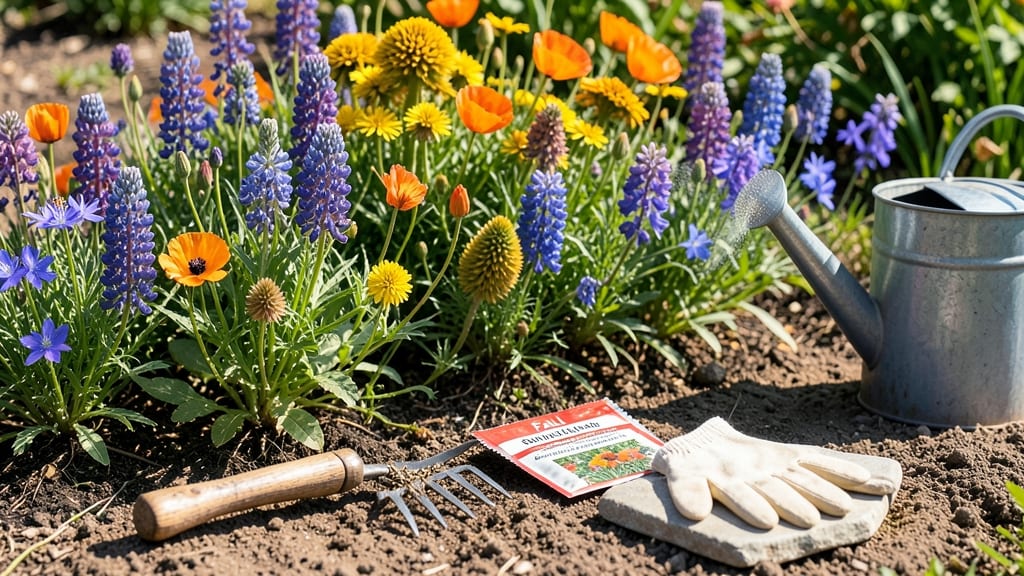
Planting wildflower seeds in Southern California at the right time means the difference between a year-round burst of color and a patchy, short-lived display.
Southern California’s Mediterranean climate creates the perfect conditions for vibrant wildflower gardens—but timing your planting is everything to ensure resilience and continuous blooms. Unlike other regions, your window isn’t just about frost dates; it’s about rain, heat, and the delicate balance of moisture that native 🌼 wildflowers crave.
Most gardeners here swear by fall planting—between September and November—when the first rains soften the soil and give seeds the moisture they need to germinate without drying out.
But early spring (February to March) is a close second for species that thrive in the cooler months, like California poppies and lupines.
In this guide, I’ll break down the best months for planting, how to prep your soil for maximum success, and which native wildflowers will reward you with the longest, most vibrant blooms—no matter where you live in SoCal, from coastal breezes to inland heat.
Best planting months for wildflowers in Southern California by season
Southern California’s unique Mediterranean climate with its mild, wet winters and dry, hot summers creates ideal conditions for wildflowers—but timing matters. Planting at the wrong time can lead to poor germination or weak growth. The best windows focus on cooler months when natural rainfall supports seedling establishment.
Native wildflowers like California poppies, lupines, and matilija poppies thrive when planted during fall rains or early spring before summer heat arrives. These periods align with natural cycles, reducing irrigation needs and promoting resilience.
Let’s break down the ideal planting months by season to maximize your wildflower garden’s success.
Comparison Table: Best Planting Months for Southern California Wildflowers
| Season | Best Planting Months | Temperature Range | Rainfall (inches) | Key Considerations |
|---|---|---|---|---|
| Fall | September–November | 55–75°F | 2–5 inches | Seeds germinate with natural rainfall. Avoid late November if frost risk exists in high elevations. |
| Winter | December–January | 45–65°F | 3–7 inches | Cooler temps slow growth. Use mulch to retain moisture if planting early. |
| Spring | February–March | 50–70°F | 1–3 inches | Ideal for spring-blooming varieties. Water deeply if rain is scarce. |
| Avoid | April–August | 75–100°F+ | 0–1 inch | Extreme heat and drought stress seeds. Only plant heat-tolerant species like California fuchsia. |
Fall planting—particularly September through November—is my top recommendation for most native wildflowers. This aligns with Southern California’s first autumn rains, which naturally water your seeds without extra effort. The cooler temperatures also reduce evaporation, giving seedlings a strong start before summer’s heat arrives.
If you miss fall, February and March offer the next best window for planting. These months provide mild temperatures and increasing daylight, which encourage rapid germination. Just be prepared to supplement with occasional watering if rainfall is light.
I’ve found that staggered planting in both fall and spring can extend your blooms from early spring through summer.
For coastal regions like San Diego or Santa Barbara, planting can extend slightly later into December due to milder microclimates. However, inland areas like the Inland Empire or Antelope Valley may experience cooler nights, so focus on September–October to avoid potential frost in higher elevations.
Temperature plays a critical role in germination success. Most native wildflower seeds require soil temps between 55–75°F to sprout effectively. Fall planting ensures these conditions are met naturally, while spring planting may require light irrigation to maintain moisture until seeds germinate.
Always check the specific needs of your chosen wildflower species—some, like lupines, prefer cooler soils, while others, like California poppies, tolerate slightly warmer conditions.
Rainfall is another key factor. Southern California’s winter rains provide the perfect moisture for seedling establishment. If you’re planting in dry fall months (like early September), consider using a light misting system or mulch to retain soil moisture until rains return.
I’ve had great success with a thin layer of straw mulch, which also suppresses weeds and regulates soil temperature.
Pro tip: Scatter seeds thinly (about 1/4 pound per 100 sq ft) and lightly rake them into the soil. Press them gently to ensure soil contact, which is crucial for germination.
Avoid burying seeds too deeply—most wildflowers need light to trigger germination, so keep them no deeper than 1/4 inch below the surface.
Once planted, monitor your wildflowers for consistent moisture during their first 4–6 weeks. After that, most native species become drought-tolerant and require minimal care. With the right timing, you’ll enjoy vibrant blooms from late winter through summer, attracting pollinators and adding color to your landscape.
How to extend your wildflower season: fall vs. spring planting strategies
Southern California’s Mediterranean climate gives gardeners two prime windows for planting wildflowers, but fall planting consistently outperforms spring for year-round blooms. The key difference? Cooler temperatures and natural rainfall in fall reduce stress on seeds, while spring planting often competes with drought conditions and intense heat.
Let’s break down why fall wins—and how to make spring work for you.
Fall planting (September–November) aligns perfectly with Southern California’s first autumn rains, which naturally water your seeds while soil stays warm enough for germination. Spring planting (February–March) requires artificial irrigation and risks seed desiccation before roots establish.
For extended bloom seasons, I recommend staggered sowing—planting 1/3 in fall, 1/3 in winter, and 1/3 in early spring to create a continuous floral display.
Fall Planting: The Gold Standard for SoCal
Pros
- 🌧️ Natural rainfall reduces irrigation needs
- 🌱 Cooler soil temps prevent seed dormancy
- 🌿 Less competition from weeds in early stages
- 🌸 Longer bloom season (winter-spring flowers)
Cons
- ⏳ Slower initial growth in winter months
- 🌡️ Late frosts (rare but possible in inland areas)
Spring Planting: A Riskier but Rewarding Option
Pros
- ☀️ Faster germination with warming soil
- 🌼 Summer-blooming varieties like California poppies
- 📅 Flexible timing for late-winter sowing
Cons
- 💧 Requires frequent watering (drought risk)
- 🔥 Heat stress can kill young seedlings
- 🌱 Weed competition intensifies in spring
For fall planting success, start with well-prepared soil—loosen the top 4 inches and mix in compost to improve drainage. Scatter seeds thinly (they need light to germinate) and press lightly into the soil.
In coastal areas, aim for September planting; inland gardens should wait until October to avoid early rains washing seeds away. Mulch lightly with straw to retain moisture without smothering seeds.
Spring planting demands more attention to irrigation. Water deeply every 2–3 days until seedlings emerge, then taper to weekly deep soaks. Use a lightweight row cover for the first 2 weeks to shield seedlings from hot afternoon sun and wind.
If planting in March, choose heat-tolerant varieties like blanket flower or goldenrod, which thrive in dry conditions once established.
To maximize bloom duration, try staggered sowing: plant 1/3 of your seeds in fall (for winter-spring blooms), another 1/3 in late winter (for spring-summer color), and the final 1/3 in early spring (for late-summer flowers).
This creates a continuous display from December through September. For example, California poppies sown in October will bloom in February, while those planted in March will shine in June.
Pro tip: Native wildflowers like lupine and blue-eyed grass are drought-resistant once established, but they need consistent moisture for the first 6–8 weeks. Use drip irrigation or soaker hoses to deliver water directly to the soil, reducing evaporation.
Avoid overhead watering, which can wash away seeds or spread fungal diseases.