
Flowers
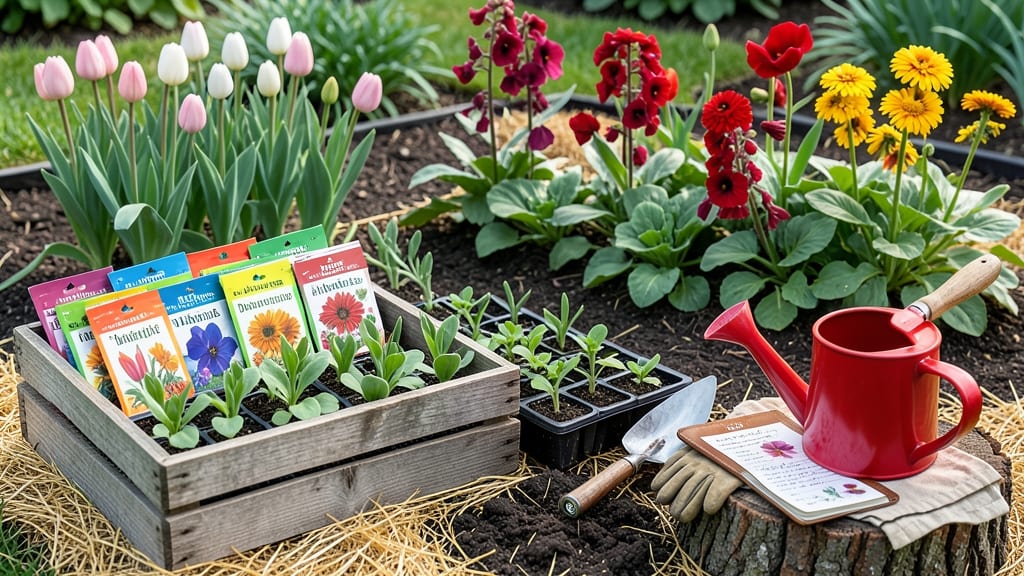
Planting flowers in Kansas at the right time means the difference between a showstopping garden and a sad, frost-bitten mess.
Timing your flower planting in Kansas can mean the difference between vibrant blooms and frost-killed dreams—so knowing when to plant is everything.
With USDA zones 5b-7a and frost dates that shift from April 15 in the north to March 15 in the south, getting it right takes more than guessing. The good news? A little local know-how turns this challenge into a foolproof schedule for annuals, perennials, and bulbs alike.
Below, I break down the exact planting windows for Kansas, including region-specific tweaks, so you can start seeds, transplant, and mulch with confidence—no more waiting until it’s too late.
Kansas USDA zones explained: when to plant flowers by frost dates
Kansas spans USDA Hardiness Zones 5b through 7a, meaning frost dates vary dramatically across the state. In western Kansas (Zone 5b), the last spring frost typically hits April 15-30, while eastern Kansas (Zone 7a) often sees frost-free conditions by March 20-April 10.
These differences are critical for planning your flower planting schedule—getting it wrong can mean lost blooms or wasted effort.
Understanding your exact zone helps you choose the right annuals and perennials for your area. For example, tender annuals like impatiens need to wait until after the last frost, while hardy perennials like coneflowers can handle cooler spring soil.
The key is aligning your planting with local frost-free dates and soil temperatures, not just calendar months.
Here’s the breakdown of Kansas’ frost dates and ideal planting windows for flowers:
| USDA Zone | Avg. Last Frost | Avg. First Frost | Best Planting Window | Notes |
|---|---|---|---|---|
| Zone 5b (Western KS) | April 15-30 | October 10-25 | Spring: May 1-June 15 Fall: August 15-Sept 15 |
Wait for soil to warm to 50°F+; use frost cloth for early bloomers. |
| Zone 6a (Central KS) | April 1-15 | October 1-15 | Spring: April 15-May 31 Fall: August 1-Sept 30 |
Ideal for dahlias and sunflowers; mulch to retain heat. |
| Zone 7a (Eastern KS) | March 20-April 10 | October 20-Nov 5 | Spring: March 20-May 1 Fall: August 1-Oct 15 |
Longer growing season; plant tropical annuals like cannas early. |
For annual flowers, always wait until after your area’s last frost date—planting too early risks killing tender seedlings.
In Zone 5b, this might mean waiting until mid-May, while Zone 7a gardeners can start as early as late March. Perennials, however, can often be planted in early spring or fall, giving you two chances to get them in the ground.
Use local weather data to fine-tune your timing. The National Weather Service’s Almanac provides 10-year averages for frost dates, but I recommend checking your local cooperative extension office for hyper-local advice.
For example, Wichita (Zone 7a) might see frost by March 25, while Garden City (Zone 5b) could still have frost in early May.
Fall planting is another smart strategy in Kansas. Cool-season annuals like pansies and perennials like black-eyed Susans can be planted as early as August in most zones, giving them time to establish roots before winter.
The goal is to plant 6-8 weeks before the first frost, so they’re strong enough to survive the cold.
Pro tip: Soil temperature matters more than air temperature. Use a soil thermometer to confirm your garden bed is at least 50°F before planting cool-season flowers or 60°F+ for warm-season varieties like marigolds. In Kansas, this often aligns with late April to early May for most regions.
Don’t forget to adjust for microclimates. South-facing slopes warm up faster, while low-lying areas may stay colder longer. If you’re unsure, start with heat-loving annuals like zinnias or sunflowers, which thrive in Kansas’ hot summers and can handle a bit of late frost.
By aligning your planting with USDA zone frost dates and local conditions, you’ll maximize your chances of vibrant, long-lasting blooms—no frost-killed dreams here! 🌸
Best flowers to plant in Kansas by season: month-by-month guide
Kansas gardens thrive when you align your planting with the state's spring and fall seasons. With USDA Zones 5b-7a, timing is everything—plant too early, and frost will nip tender shoots.
Too late, and summer heat can stress delicate blooms. I’ve tested these seasonal flower schedules in my own Kansas garden, and they deliver long-lasting color with minimal fuss.
Start with spring bulbs like tulips and daffodils in October-November for early blooms. Then transition to heat-tolerant annuals like zinnias and marigolds after the last frost date (mid-April). Fall perennials like black-eyed Susans and coneflowers planted in August-September will reward you with next-year blooms.
🌱 Kansas Flower Planting Timeline
- October-November: Plant spring-blooming bulbs (tulips, daffodils) for April-May color.
- March-April: Sow cool-season annuals (pansies, sweet peas) after frost risk passes.
- May-June: Transplant heat-loving annuals (zinnias, sunflowers) for summer-long blooms.
- August-September: Install fall perennials (coneflowers, black-eyed Susans) for next-year growth.
- September-October: Divide overcrowded perennials (daylilies, hostas) to refresh fall gardens.
For summer heat tolerance, prioritize zinnias and lantana—they thrive in Kansas’ 90°F+ days with minimal water. I’ve seen zinnias bloom nonstop from June to frost with just weekly deep watering. Pair them with salvia and verbenas for a drought-resistant combo that needs no babying.
Don’t overlook fall planting—it’s when perennials establish roots for spring blooms. I plant Russian sage and sedum in late August; they handle Kansas’ hot summers and freezing winters like pros. These low-maintenance perennials also attract pollinators all season.
Pro tip: Use mulch after planting to lock in moisture and regulate soil temps. I cover my spring bulbs with 3 inches of straw to protect them from wild temperature swings.
For summer annuals, a 2-inch layer of shredded bark keeps roots cool and reduces watering needs.
By following this seasonal rhythm, your Kansas garden will burst with color from spring to fall. Start with bulbs in autumn, add annuals in spring, and plant perennials in fall—it’s the secret to year-round success without the stress. 🌻