
Flowers
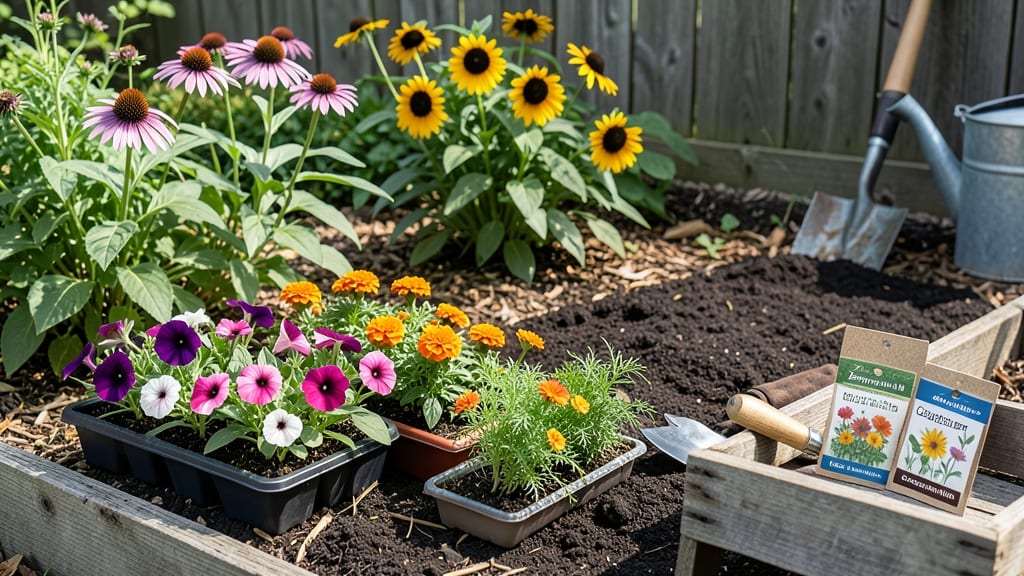
To plant flowers in Massachusetts, aim for early spring—typically mid-April to early May—when soil warms and frost risks fade, though coastal areas can start slightly earlier.
Massachusetts gardeners know timing is everything—plant too early, and frost will strike; too late, and your blooms may miss their prime. But with the right zone-specific schedule, you can transform your yard into a vibrant floral paradise from spring to fall.
Annuals like petunias and marigolds thrive when planted after the last frost, while hardy perennials can go in as early as March in warmer inland zones. Coastal areas, with their milder microclimates, often have a 2-week window to start earlier.
Below, I break down the exact planting dates by USDA zones, the best flowers for each season, and how to prep soil for maximum blooms—so you never miss a bloom again.
Massachusetts planting zones: when to start annuals vs perennials for best results
Massachusetts spans USDA zones 5b-6b, creating distinct planting windows that can make or break your flower garden's success. In zone 5b (inland areas like Worcester), average last frost dates arrive around May 15th, while zone 6b (coastal regions like Cape Cod) enjoys frost-free conditions by April 20th.
Understanding these differences helps you time your annuals vs perennials perfectly for maximum blooms.
The key difference lies in root establishment. Perennials need 6-8 weeks before summer heat arrives, while annuals thrive when planted 2-4 weeks after your region's last frost date. Coastal areas get a 2-week head start compared to inland zones, so adjust your calendar accordingly.
Let's break down the optimal timing for each plant type across Massachusetts' diverse microclimates.
| Plant Type | Zone 5b (Inland) | Zone 6b (Coastal) | Key Consideration |
|---|---|---|---|
| Perennials (Hardy) | Early April - Mid-May | Late March - Early May | Establish roots before summer heat |
| Annuals (Heat-Loving) | After May 15th | After April 20th | Wait for consistent soil temps above 60°F |
| Fall Annuals | Late July - Early August | Early July - Mid-August | Plant 6-8 weeks before first frost |
| Bulbs (Spring) | September - October | September - October | Cooler soil helps root growth |
| Cold-Hardy Annuals | Late April - Early May | Mid-April - Late April | Tolerates light frost (e.g., pansies) |
For perennials, I recommend starting with early spring planting (March-April for coastal areas) to give roots time to establish before summer's intensity. Hardy varieties like coneflowers and black-eyed Susans thrive when planted in well-draining soil with compost added 2-3 weeks beforehand.
These plants reward patience with multi-year blooms, making the early effort worthwhile.
Annuals demand more precise timing. Heat-loving varieties like petunias and marigolds should wait until after May 15th inland or April 20th coastal when soil temperatures consistently stay above 60°F.
Use a soil thermometer to verify—cool soil slows germination. For fall annuals, aim for July-August planting to ensure blooms before frost arrives.
Coastal gardeners enjoy unique advantages. The moderating ocean influence creates 2-3°F warmer soil temperatures and 10-14 days earlier frost-free dates. This means you can safely plant tender annuals like geraniums 2 weeks earlier than inland regions.
However, beware of late spring frosts—always check your local Massachusetts Climate Average for precise dates.
Inland areas face different challenges. The continental climate brings more temperature swings and later frost risks. I suggest using frost cloth for early spring plantings and monitoring weather forecasts for 5-day outlooks.
For zone 5b gardeners, consider staggered planting—sow 50% of seeds at recommended times, then 25% every 2 weeks to extend your blooming season.
Don't overlook microclimates within your property. South-facing slopes warm up 1-2 weeks earlier than north-facing areas, while low-lying spots may frost 3-5 days later.
Test your garden's unique conditions by planting a few cold-hardy annuals (like pansies) in different locations to identify your true last frost date each year.
Proper soil preparation makes all the difference. Before planting, amend your beds with 2-3 inches of compost and work in a slow-release fertilizer (10-10-10 ratio). For coastal gardens, add sand to improve drainage, while inland areas may benefit from peat moss to retain moisture.
Always water deeply after planting to encourage root growth into the prepared
Top 5 flowers to plant by month in Massachusetts (with exact dates)
Massachusetts gardeners know that seasonal timing determines whether your flowers thrive or fail. The last frost date varies from late April in coastal areas to mid-May inland, while first frost arrives as early as October. By aligning your planting with these natural rhythms, you'll maximize blooms from spring through fall.
For coastal MA (Zone 6b), aim to plant tender annuals like petunias after May 15, while inland areas (Zone 5b) can start earlier with hardy perennials like coneflowers in April. Each month offers unique opportunities—let's dive into the best flowers to plant and their precise timing.
- 📅 March 15-April 15: Plant tulip and daffodil bulbs in well-draining soil. Add compost and bone meal for root boost. Companion plants: Alliums deter pests.
- 📅 April 20-May 10: Sow hardy annuals like pansies and snapdragons. Test soil pH—aim for 6.0-7.0. Companion plants: Marigolds repel nematodes.
- 📅 May 15-June 1: Transplant petunias and geraniums after last frost. Use mulch to retain moisture. Companion plants: Basil enhances growth.
- 📅 June 15-July 15: Direct-sow cosmos and zinnias for late-summer color. Deadhead spent blooms. Companion plants: Nasturtiums deter aphids.
- 📅 August 1-September 10: Plant chrysanthemums and asters for fall interest. Fertilize with low-nitrogen blend. Companion plants: Lavender deters pests.
Start with bulb planting in March—tulips and daffodils need 6-8 weeks of chill before blooming. Work compost into the soil and plant bulbs 6 inches deep, with pointed ends up. For coastal gardens, wait until mid-April to avoid salt spray damage.
May is prime time for annuals like petunias, which love full sun and well-draining soil. Mix in perlite if your native soil is heavy clay. Pair them with basil to repel pests naturally and boost growth. Water deeply twice weekly until established.
For late-summer color, don't overlook zinnias and cosmos. These drought-tolerant annuals thrive when sown in June. Deadhead regularly to encourage nonstop blooms until frost. Plant near nasturtiums to deter aphids from your prized flowers.
Extend your season with chrysanthemums planted in late summer. Choose fall-blooming varieties like 'Dynasity' for vibrant color. Fertilize with a low-nitrogen formula to prevent leggy growth. Pair with lavender to repel pests and add fragrance.
Remember: Soil prep is half the battle. Test your soil in early spring and amend with organic matter before planting. For coastal gardens, add gypsum to improve drainage if needed. With these month-by-month tips, your Massachusetts garden will bloom beautifully all season long! 🌷