
Flowers
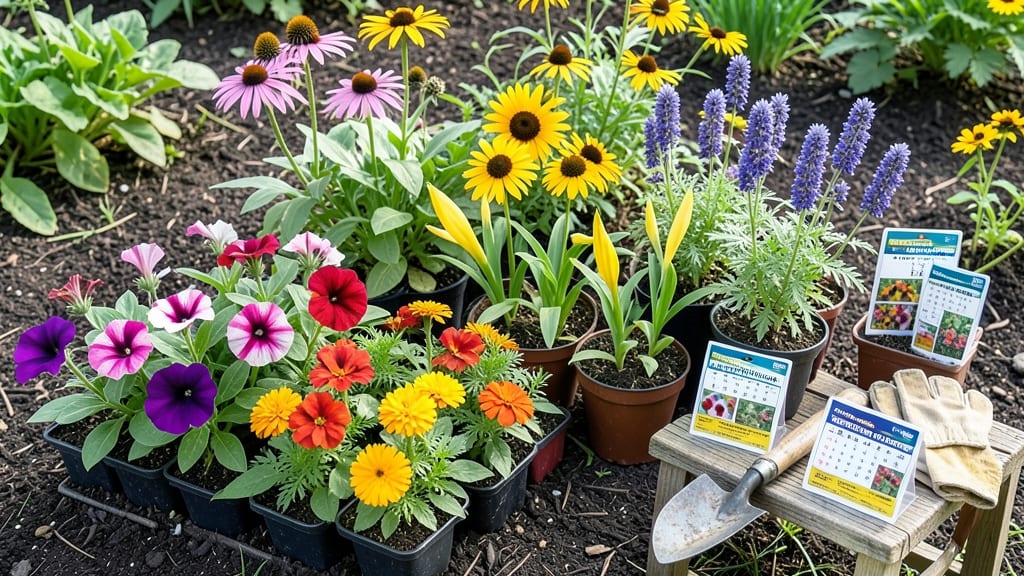
To plant flowers in South Carolina at the right time ensures vibrant blooms from spring through fall, no matter if you're in the humid Lowcountry or the drier Piedmont.
South Carolina’s warm climate and distinct seasons make it a gardener’s paradise—but planting flowers at the wrong time can mean wilted dreams before they even bloom. Timing is everything, and knowing the exact window for each zone ensures vibrant flowers from spring to fall.
Whether you’re sowing seeds in Zone 7b or transplanting starts in Zone 8a, the key is aligning your planting with frost dates, soil temperatures, and seasonal shifts. Miss the window, and you’ll end up with leggy seedlings or flowers that bolt in the heat.
Below, I break down the best months for annuals, perennials, and bulbs, plus pro tips to extend your blooms year-round—so you can enjoy nonstop color without the guesswork.
South Carolina flower planting calendar by USDA zones 7b, 8a, and 8b
South Carolina’s three primary USDA zones (7b, 8a, and 8b) create distinct microclimates that affect when you should plant flowers. Zone 7b (e.g., Upstate) has earlier frost dates (last frost: mid-March), while zones 8a/8b (coastal and mid-state) enjoy warmer winters with last frosts around early March.
Understanding these zones helps you time plantings for optimal germination and season-long blooms.
For all zones, soil temperature is critical—most flowers germinate best when soil reaches 60-65°F. In Zone 7b, this typically happens by late March, while coastal zones (8a/8b) can start earlier in February.
Bulbs like tulips and daffodils should be planted in fall (October-November) for spring blooms, regardless of zone.
🌱 Key frost dates to remember:
- Zone 7b: First frost mid-November, last frost mid-March
- Zone 8a: First frost late November, last frost early March
- Zone 8b: First frost December, last frost late February
These dates guide when to plant cool-season flowers (like pansies) and when to protect tender plants.
Here’s your month-by-month planting guide, tailored to each zone. Use this as your roadmap for annuals, perennials, and bulbs to ensure your garden bursts with color all year.
| Month | Zone 7b (Upstate) | Zone 8a (Mid-State) | Zone 8b (Coastal) | Soil Temp |
|---|---|---|---|---|
| February | Bulbs (tulips, daffodils), pansies, snapdragons | Bulbs, pansies, violas, sweet peas | Bulbs, pansies, sweet peas, calendula | 50-55°F |
| March | Annuals (marigolds, zinnias), perennials (cone flowers), seeds | Annuals (petunias, impatiens), perennials, seeds | Annuals, perennials, seeds, geraniums | 60-65°F |
| April | Transplant warm-season flowers (tomatoes, peppers), dahlias | Transplant warm-season flowers, Dahlias, Cannas | Transplant warm-season flowers, tropicals (hibiscus) | 65-70°F |
| May | Direct sow heat-lovers (sunflowers, cosmos), mulch perennials | Direct sow heat-lovers, deadhead spent blooms | Direct sow heat-lovers, shade annuals (begonias) | 70-75°F |
| August | Start fall annuals (mums, asters), sow cover crops | Start fall annuals, sow cover crops, divide perennials | Start fall annuals, sow cover crops, tropicals indoors | 75-80°F |
| September | Plant bulbs (fall crocus, hyacinths), pansies, snapdragons | Plant bulbs, pansies, sweet peas, calendula | Plant bulbs, pansies, sweet peas,
Best flowers to plant in South Carolina by season for nonstop colorSouth Carolina’s humid subtropical climate creates the perfect stage for year-round blooms, but selecting the right flowers for each season is key. From heat-loving annuals that thrive in summer to frost-hardy perennials that return every spring, your garden can burst with color with the right timing. Let’s dive into the best flowers to plant by season, tailored for SC’s USDA Zones 7b-8b. Spring is the ideal time to plant bulbs and perennials that love cooler temperatures, while summer calls for drought-tolerant annuals that handle humidity. Fall offers a second chance for planting cool-season bloomers that will carry you into winter. With this curated list, you’ll never have a dull moment in your garden—just vibrant blooms from March through November.
For nonstop color, mix perennials like black-eyed Susans (plant in spring or fall) with annuals like zinnias (sow in late spring). Perennials like daylilies and coneflowers return yearly, while dahlias (plant tubers in spring) reward you with bold summer blooms. Don’t forget native flowers like butterfly weed, which attract pollinators and thrive in SC’s climate. Pro tip: Use mulch to retain moisture and regulate soil temperature, especially in summer’s heat. For container gardens, opt for petunias or geraniums, which thrive in pots and can be moved to extend their season. With this seasonal lineup, your South Carolina garden will be a blooming paradise all year round. Start with spring-blooming bulbs like daffodils, then transition to summer’s sun-lovers and finish with fall’s cool-season stars. Your garden will never take a break—just like the Palmetto State’s own endless charm! 🌿 |