
Flowers
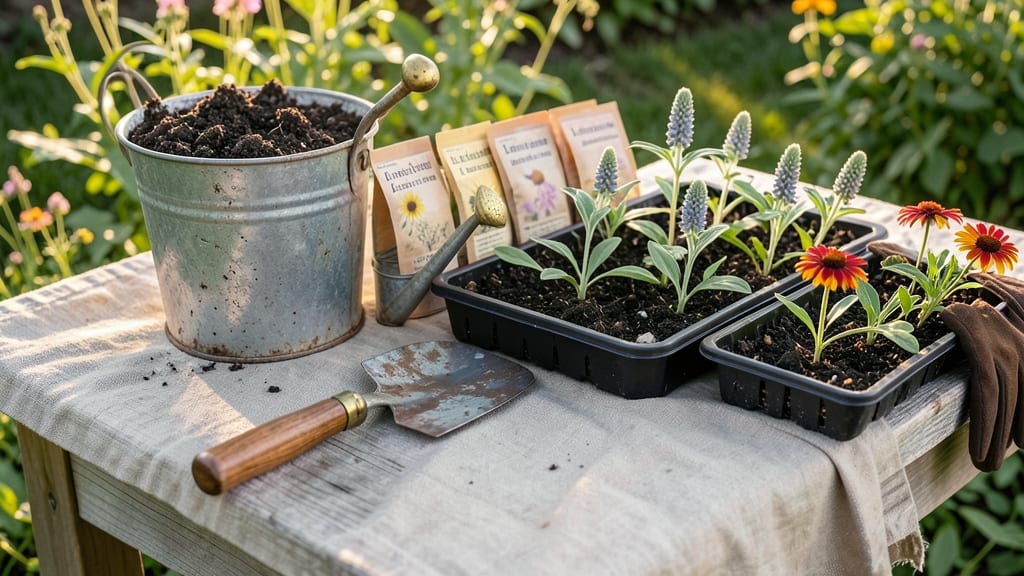
Planting flowers in Montana after the last frost—typically late April to mid-June—sets the stage for vibrant blooms 🌸, but timing varies wildly from Glacier’s Zone 3 to Missoula’s Zone 7.
Montana’s diverse climate—from alpine peaks to prairie valleys—means your flower planting timeline depends on your USDA zone. Get it wrong, and your blooms could freeze before they flourish.
In Zone 3, wait until late May for perennials, while Zone 7 gardeners can start annuals as early as April. High-altitude areas like Bozeman face late frosts, so row covers or cold frames buy you critical weeks.
Below, I break down the exact frost-free windows by zone, the best flowers for each season, and pro tips to stretch your growing season—whether you’re in a short summer valley or a cooler mountain microclimate.
Montana’s USDA Zones and ideal flower planting dates by frost-free timeline
Montana’s USDA Zones 2–7 create dramatic differences in planting windows. In Zone 3 (like Glacier National Park), frost lingers until mid-June, while Zone 7 (Missoula) sees last frosts by mid-April.
Understanding your zone ensures flowers thrive—not just survive. Let’s break down the exact frost-free timelines and ideal planting dates for each zone, including city-specific averages.
For Zone 3 (e.g., Kalispell), wait until late May–early June to plant perennials like coneflowers and annuals such as marigolds. Zone 4 (Billings) offers a slightly earlier window of mid-May, perfect for hardy delphiniums and black-eyed Susans.
Meanwhile, Zone 5 (Great Falls) gardeners can start annuals in late April and perennials by mid-May.
Here’s your frost-free planting guide by zone, including last-frost averages for key Montana cities:
In Zone 7 (Missoula), you can even start cool-season annuals like pansies as early as March, while Zone 3 gardeners should hold off until late
Best flowers to plant in Montana by season: cool-weather vs. heat-loving varieties
Montana’s short growing season demands smart flower choices. Cool-weather varieties thrive in early spring and fall, while heat-loving flowers need summer’s warmth. I’ll show you which plants to prioritize based on your USDA zone and seasonal conditions—so you can enjoy blooms from May through October without frost damage.
In Zone 3 (Glacier National Park), focus on cold-hardy perennials like delphiniums and asters, while Zone 7 (Missoula) gardeners can experiment with tender annuals like marigolds and zinnias. The key? Plant cool-season flowers in late April–early May and heat-lovers after mid-June when soil warms.
- 🌸 Early Spring (March–April): Start pansies and sweet peas indoors (Zone 3–5). Direct-sow calendulas and stock in Zone 7 after last frost.
- 🌿 Late Spring (May–June): Plant perennials like coneflowers and black-eyed Susans after soil reaches 50°F. Avoid tender annuals until mid-June.
- ☀️ Summer (July–August): Add heat-tolerant flowers like lupines and gaillardias. Succession-plant cosmos for fall color.
- 🍂 Fall (September–October): Choose mums and asters for late-season blooms. Zone 3 gardeners should plant by August 15 to establish roots.
For Zone 3–4, prioritize cold-hardy annuals like snapdragons and lobelia, which tolerate light frosts. In Zone 5–7, mix in tender perennials such as bee balm and shasta daisies, which need well-draining soil to prevent rot in Montana’s clay-heavy areas.
My top cool-season winners include pansies (bloom at 35°F) and sweet peas (start indoors in February for Zone 7). For summer heat, black-eyed Susans and coneflowers thrive with minimal water once established—critical in Montana’s dry summers.
Fall is your second chance for color! Mums and asters love cool nights and bright mornings. Plant them by August 1 in Zone 3 or September 1 in Zone 7 for October blooms. Mulch heavily to protect roots from early frosts.
Pro tip: Use row covers to extend the season for heat-lovers like petunias in Zone 4. Or try container gardening to move tender plants indoors before first frost. With the right mix of cool-weather and heat-loving flowers, your Montana garden can bloom from spring to fall! 🌸