
Flowers
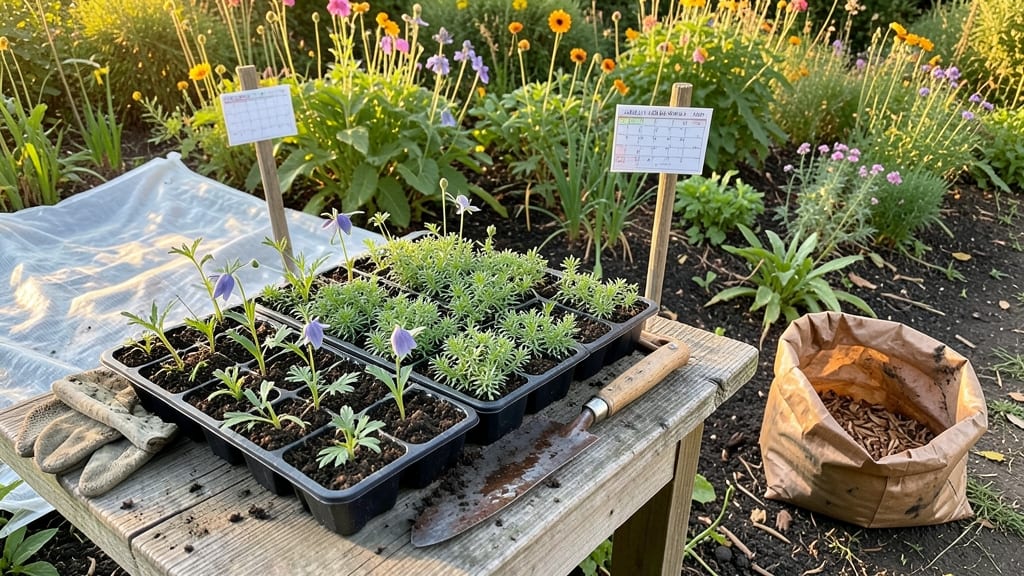
Planting flowers in Maine after the last frost—typically around mid-May—sets the stage for a vibrant garden, but timing is everything in Zone 5b-6b.
Maine’s unpredictable frost dates can turn even the most eager gardener into a guessing game—plant too early and risk losing your blooms, too late and miss the full growing season. But with the right timing, you can enjoy 🌸 vibrant flowers from spring to fall, even in our cooler climate.
Annuals like petunias and marigolds thrive when started indoors in March, while hardy perennials can wait until late April or early May. Fall planting in late August also extends your blooms into early autumn, giving you two chances to fill your garden with color.
Below, I’ll break down the best planting windows by flower type, frost-free dates by region, and pro tips to stretch your growing season—so you can avoid common mistakes and keep your garden thriving all year.
Maine’s frost-free dates by region: when to start planting flowers
Maine’s last frost dates vary dramatically by region, making timing critical for successful flower planting.
In Southern Maine (Zones 5b-6a), like Portland or Kittery, the average last frost arrives by May 10, while Northern Maine (Zones 5a-5b), such as Bangor or Presque Isle, often waits until May 25.
These dates shift based on microclimates, especially near coastlines where warmer ocean breezes delay frost.
For accurate planning, consult the USDA Plant Hardiness Zone Map—Maine spans Zones 4-6, but frost dates are more reliable than zone numbers alone. Coastal areas like Bar Harbor may see frost-free conditions 1-2 weeks earlier than inland spots like Augusta, where cold air pools in valleys.
Always check local Almanac records or ask at your county extension office for year-specific updates.
Here’s a quick reference for Maine’s frost-free windows by region, including adjustments for coastal vs. inland areas:
| Region | Zone | Avg. Last Frost | Avg. First Frost | Coastal Adjustment | Planting Window |
|---|---|---|---|---|---|
| Southern Maine | 5b-6a | May 1-10 | Oct 10-20 | 1-2 weeks earlier | Mid-April (hardy perennials) to May 15 (annuals) |
| Central Maine | 5a-5b | May 15-25 | Sep 25-Oct 5 | 5-7 days earlier | Late April (perennials) to May 20 (annuals) |
| Northern Maine | 4b-5a | May 25-Jun 5 | Sep 15-Oct 1 | 3-5 days earlier | Late May (annuals) or early June (cooler microclimates) |
In Southern Maine, where zones reach 6a, you can start tender annuals like petunias or marigolds as early as Memorial Day weekend, but always have frost cloth ready.
For Central Maine, wait until after May 25 to plant heat-loving flowers like geraniums or zinnias, as late frosts are common. In Northern Maine, even late-June plantings may face frost risks, so opt for cold-hardy varieties like black-eyed Susans or coneflowers.
For fall planting, aim for late August to early September in Southern Maine, but shift to mid-September in Northern regions. Pansies and snapdragons thrive in cooler fall temps, while mums and asters can handle light frosts. Use mulch to protect roots and extend the season by 2-3 weeks.
Pro tip: Monitor local weather using apps like Old Farmer’s Almanac or NOAA’s frost prediction maps. Inland areas like Waterville often experience 10°F colder nights than coastal Rockland, so adjust your timing accordingly.
If you’re unsure, start seeds indoors 6-8 weeks before your region’s last frost date for a head start.
Remember, Maine’s short growing season demands efficiency. Prioritize fast-growing annuals for early color and perennials that return yearly. With these region-specific dates, you’ll avoid the heartbreak of frost-nipped blooms and enjoy a garden bursting with color from May through October.
🌸
Best flowers to plant in Maine by season: timing for maximum blooms
Maine’s short growing season demands smart planning to maximize your flower beds. Annuals like petunias and marigolds thrive with late spring starts, while perennials such as coneflowers can handle early spring planting.
The key is matching each variety to its ideal planting window—whether it’s cold-hardy pansies for early spring or heat-loving cosmos for summer.
For maximum blooms, I focus on two planting seasons: spring (after last frost) and fall (before first frost). Spring-bloomers like tulips and daffodils can be planted in fall, while summer annuals like zinnias need warm soil to germinate. Fall planting extends the season with mums and asters, which tolerate cooler temps better than tender varieties.
🌱 Seasonal Planting Timeline for Maine Flowers
- Early Spring (March–April): Plant hardy perennials like bleeding hearts and lungwort once soil thaws. Pansies and snapdragons can handle light frost.
- Late Spring (May–June): Sow annuals like petunias, marigolds, and cosmos after last frost (typically Memorial Day). Transplant perennials like daylilies and black-eyed Susans.
- Summer (July–August): Succession plant heat-tolerant annuals such as zinnias and sunflowers for late-season color. Deadhead perennials to encourage reblooming.
- Early Fall (September): Plant fall-blooming perennials like asters and sedum. Start cool-season annuals such as pansies and calendulas 6–8 weeks before first frost.
- Late Fall (October): Divide and transplant perennials like coneflowers and hostas. Plant spring-blooming bulbs (tulips, daffodils) for next year’s color.
I always prioritize cold-hardy annuals for early starts, like sweet alyssum and stock, which can handle light frost. These fast growers give me quick color before tender varieties like geraniums are safe to plant.
For summer heat, I opt for drought-tolerant picks such as lantana and veronica that thrive in Maine’s humid summers.
Perennials are my go-to for low-maintenance blooms. Coneflowers and black-eyed Susans establish easily in spring and reward me with months of color.
I plant them in well-draining soil with full sun to ensure robust growth. Daylilies are another favorite—they’re adaptable and disease-resistant, perfect for Maine’s variable climate.
For fall planting, I focus on cool-season varieties like chrysanthemums and kale flowers (yes, edible flowers too!). These late bloomers extend my garden’s season until first frost. I also use row covers to protect tender fall annuals like pansies from unexpected early freezes.
Pro tip: Always check your local frost dates—they can vary 1–2 weeks from the USDA average. Succession planting every 2–3 weeks ensures continuous blooms from May through October. With this timing, my Maine garden bursts with color season after season! 🌷