
Flowers
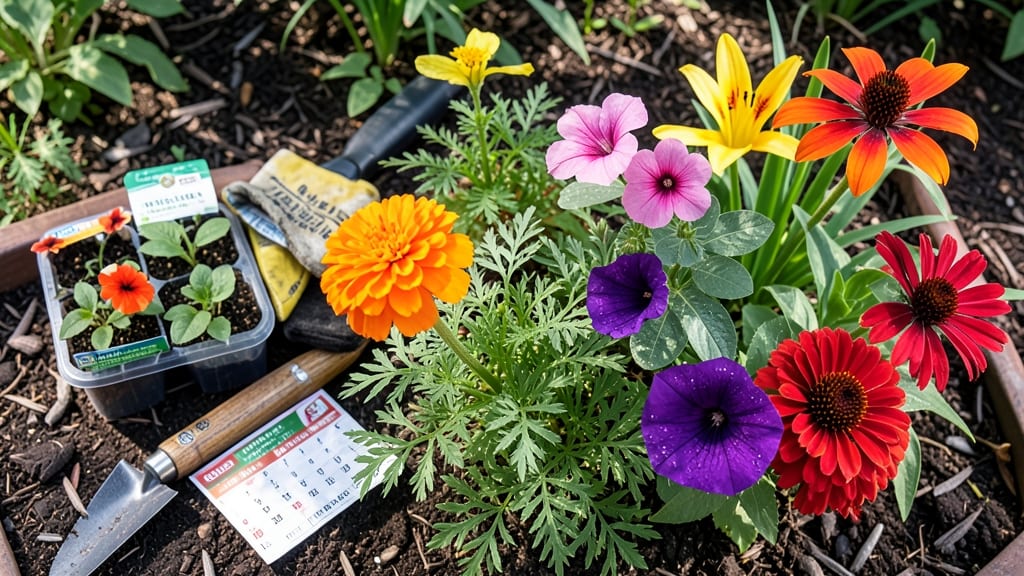
Planting flowers in Ohio at the right time ensures vibrant blooms and avoids frost damage—so knowing the exact months for your hardiness zone is the key to success.
Timing your flower planting in Ohio can mean the difference between a vibrant garden and a frost-killed disappointment. With USDA Zone 6a conditions, even a week off can turn your 🌸 dreams into wilted stems before they even open.
The last frost date around April 15 isn’t just a number—it’s the deadline that separates thriving blooms from wasted effort.
Whether you’re planting annuals for summer color or perennials that return year after year, Ohio’s short growing season demands precision. Skipping this step is how you end up with bare soil when your neighbors’ gardens are in full bloom.
Below, I’ll break down the exact months for each flower type, plus how to adjust for Ohio’s unpredictable spring weather.
You’ll learn how to time your plantings for zero-frost success, which flowers thrive in Ohio’s climate, and when to replant if Mother Nature throws a curveball. No more guessing—just a foolproof plan for a garden that pops all season long.
Ohio flower planting calendar by hardiness Zone (exact months for best results)
Ohio spans USDA Hardiness Zones 5b through 6b, meaning frost dates vary dramatically across the state. In northern zones like Zone 5b, last frost typically hits April 20-30, while southern Zone 6b areas can plant up to May 10.
These differences mean tulips in Toledo might bloom weeks earlier than those in Cleveland. Understanding your exact planting windows ensures flowers like marigolds and coneflowers thrive without frost damage.
For cool-season flowers (e.g., pansies, snapdragons), sow seeds 4-6 weeks before the last frost—that’s March 1-15 in most of Ohio. Warm-season blooms (petunias, zinnias) need soil at 60°F+, so wait until after May 1 in northern areas. Bulbs like daffodils should go in October-November for spring blooms, while tender annuals like impatiens can wait until June in cooler microclimates.
Here’s your Ohio flower planting calendar by zone, including frost dates and soil temp thresholds for annuals, perennials, and bulbs:
Pro tip: Use a soil thermometer to confirm readiness for warm-season flowers. In Zone 5b, wait until soil hits 60°F consistently before planting tomato plants or marigolds—even if air temps feel warm.
For container gardening, warm up pots with black plastic mulch 2-3 days before planting to jumpstart root growth.
Perennials like black-eyed Susans and coneflowers can handle early spring planting (March-April) since they’re hardy, but tender perennials (e.g., cannas) should wait until after June 1 in northern Ohio. Divide perennials in early spring (April) or fall (September) for best results, avoiding the peak heat of summer.
Bulbs like tulips and daffodils need 6-8 weeks of chilling before blooming, so plant them in fall (October-November). Spring-blooming bulbs (e.g., hyacinths) can go in late fall, while summer-blooming bulbs (dahlias) need to wait until after last frost in May. Naturalize bulbs in grass or woodland edges for low-maintenance color.
Ohio’s microclimates can shift planting times by 2-3 weeks. South-facing slopes warm up faster, while low-lying areas may frost later. Use row covers to extend spring planting by 2-4 weeks if late frosts threaten.
For container gardens, move pots to warmer microclimates (e.g., near foundations) to protect from late spring frosts.
Common mistakes to avoid: Planting warm-season flowers too early (they’ll rot in cold soil), ignoring bulb planting depth (too shallow = frost heave), or overcrowding perennials
How to adjust planting times for Ohio’s unpredictable spring weather (pro tips)
Ohio’s spring weather can be as unpredictable as a toddler’s mood—one day it’s 70°F and sunny, the next it’s snowing. If you’ve ever planted flowers only to watch them wilt from a surprise frost, you know how devastating this can be.
The key to success? Flexibility. Adjusting your planting schedule based on real-time conditions (not just calendar dates) can save your garden from heartbreak.
Start by monitoring local frost dates—not just the average last frost date of April 15. In northern Ohio (Zones 5-6), late frosts can linger until May 10, while southern Ohio (Zones 6-7) might see them as late as May 1.
Use tools like the National Weather Service or Old Farmer’s Almanac to track real-time forecasts and adjust your timeline accordingly.
⚠️ callout warning ⚠️
🌡️ Don’t Trust the Calendar—Trust the Soil!
Ohio’s soil can stay too cold for weeks after the last frost. Wait until the ground reaches 60°F (15°C) at a 6-inch depth—this is your true planting cue. Use a soil thermometer to check, especially for heat-loving flowers like marigolds or petunias.
Pro Tip: Hardened transplants (like pansies or snapdragons) can handle 32°F temps, but tender annuals (e.g., geraniums) need 50°F+ soil.
Extend your growing season with row covers or cold frames—these can push your planting window 2-4 weeks earlier for cool-season flowers like pansies or calendulas. For example, I’ve successfully planted snap peas in late March under a lightweight row cover, then removed it once temperatures stabilized.
Even a black plastic mulch can warm the soil by 5-10°F, giving heat-sensitive plants a head start.
Pay attention to microclimates in your yard. A south-facing slope warms up faster than a shady corner, so plant warm-season flowers (like zinnias) there first. Conversely, low-lying areas or north-facing beds stay colder longer—save those spots for hardy perennials (e.g., coneflowers) or late-spring plantings.
I once lost a batch of impatiens because I planted them too early in a frost pocket—now I map my garden’s heat zones!
If a late frost strikes after planting, don’t panic. Most annuals and perennials will recover if the roots aren’t frozen. For extra protection, mulch heavily with straw or shredded leaves to insulate the soil. For tender plants, use a cloche or floating row cover to trap heat.
And if all else fails, have a replant checklist ready: note the date of the frost, wait 2-3 weeks for soil to warm, then replant with hardened-off seedlings.
Finally, keep a gardening journal to track your successes and failures. Note which flowers thrive when planted early (like black-eyed Susans) and which need to wait (like cosmos). Over time, you’ll develop a personalized planting schedule that beats Ohio’s weather—no matter how unpredictable it gets. 🌱