
Flowers
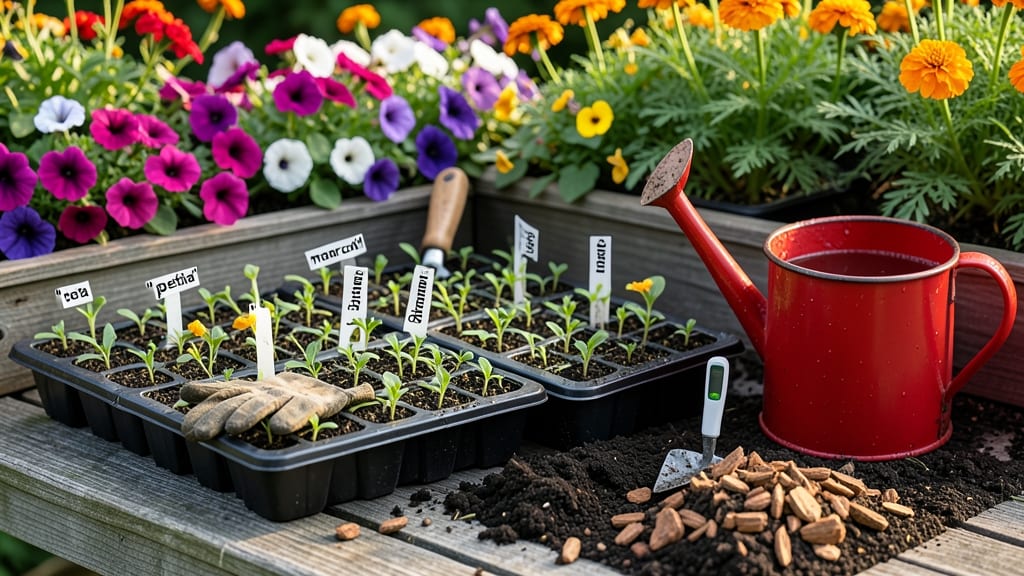
It’s safe to plant flowers in Ohio once the average last frost date passes — typically mid-April to early May for most of the state, but timing varies by zone.
Ohio’s unpredictable spring weather can turn your dream garden into a frost-killed disaster—but knowing the exact frost-free dates by zone ensures your flowers bloom on schedule, not in sorrow. 🌸
For Zone 6a gardeners, waiting until soil temperatures hit 50°F and nighttime lows stay above 32°F is the key to avoiding damage. Rural areas may need an extra week compared to cities, where heat islands warm up faster.
Below, I’ll break down the perfect planting windows for annuals, perennials, and bulbs, plus how to use local forecasts to fine-tune your schedule for zero failures.
Ohio’s frost-free dates by hardiness zone: planting timeline for perfect blooms
Ohio’s USDA hardiness zones (5a-6b) create a patchwork of planting windows, where a late-April frost in one county can mean blooming disasters for gardeners who planted too early. Understanding these zones—and their microclimates—is the difference between a showstopping summer garden and a sad, frost-nipped failure.
Let’s break down the average last frost dates by zone, plus how to adjust for urban heat islands and rural chill.
Most Ohioans wait until mid-April to early May to plant tender flowers, but this varies by 1-2 weeks depending on your zone. For example, zone 5a (northeast Ohio) often sees frost until May 10, while zone 6b (southwest Ohio) might be safe by April 15.
Microclimates add another layer: Urban areas (like Columbus) warm up faster than rural farms, thanks to concrete and buildings trapping heat.
Here’s the summary-table of Ohio’s frost-free dates by zone, including recommended flowers for each area and soil temperature thresholds for safe planting:
For annual flowers, like marigolds or petunias, wait until the soil temperature hits 50°F—even if air temps are warmer.
Use a soil thermometer ($10 at garden centers) to avoid frost damage from lingering cold in the ground. Perennials, such as coneflowers or daylilies, are hardier and can handle cooler soil, but still wait until after the last frost date.
Ohio’s first frost typically arrives in mid-October, but fall planting for cool-season flowers (like pansies or snapdragons) can start as early as September. These flowers thrive in 50–60°F soil and often bloom until Christmas if planted by October 1**.
For bulbs like tulips, plant in October–November when soil temps drop below 60°F.
Pro tip: Check the NOAA’s Frost/Freeze Forecast (available [here](https://www.noaa.gov)) for weekly updates in spring. Rural areas often have later frosts than cities, so if you
How to time flower planting for Ohio’s unpredictable weather: 5 pro tips
Ohio’s spring weather can swing from 50°F sunshine to 30°F frost in a single week—leaving gardeners guessing when it’s truly safe to plant. The key lies in layered strategies that account for both historical averages and real-time conditions.
I’ve learned that relying on last frost dates alone often leads to disappointment, so I’ve developed a multi-step approach to protect my heat-sensitive annuals and cold-hardy perennials alike.
First, check the NOAA Climate Data for your specific Ohio county—these forecasts are far more accurate than generic zone maps. For example, Columbus (Zone 6a) averages its last frost around April 15, but rural areas like Findlay (Zone 5b) can experience late frosts until May 1.
This 15-day difference means the wrong timing could ruin your marigolds or petunias before they even bloom.
Start heat-sensitive seeds (like geraniums) 4-6 weeks before your last frost in a cold frame. This gives seedlings a 2-3 week head start without risking frost damage. Use clear plastic lids with ventilation holes to trap warmth during the day.
If you must plant after the average frost date, use floating row covers to protect tender annuals like impatiens. These covers raise soil temps by 5-8°F and shield plants from light frosts (28-32°F). Secure edges with bricks or soil to prevent wind damage.
Most flowers need soil temps of 50°F+ to germinate. Use a soil thermometer—air temps can drop at night while the soil retains heat. For cold-hardy perennials (like coneflowers), wait until soil hits 40°F.
South-facing slopes warm 2-3 days earlier than north-facing areas. Urban heat islands (like Cincinnati’s downtown) can delay frosts by 5-7 days. Plant frost-sensitive flowers (e.g., begonias) in these warm pockets first.
Before planting after April 20, ask:
If you answer "no" to any, wait 1-2 weeks.
For fall planting, Ohio’s first frost typically arrives around October 15, but mums and asters can handle light frosts. I’ve had success planting pansies in early September—they’ll bloom until Christmas if mulched properly.
The trick is to harden off seedlings for 7-10 days before transplanting, gradually exposing them to cooler temps and wind.
Pro tip: Keep a gardening journal to track your local frost dates. Last year, my Columbus garden saw its last frost on May 5**, a full two weeks later than the average.
By noting these real-world adjustments, I can push my spring planting window by 10-14 days without risking frost damage. This year, I’m testing burlap sacks filled with straw as emergency frost covers—they’re cheaper than row covers and work surprisingly well for small patches.
Remember, Ohio’s weather is unpredictable but not impossible to work with. By combining historical data, real-time tools, and protective strategies, you can turn those late spring surprises into blooming successes.
Start with one or two of these tips this season, and watch your garden thrive—frost-free! 🌷