
Flowers
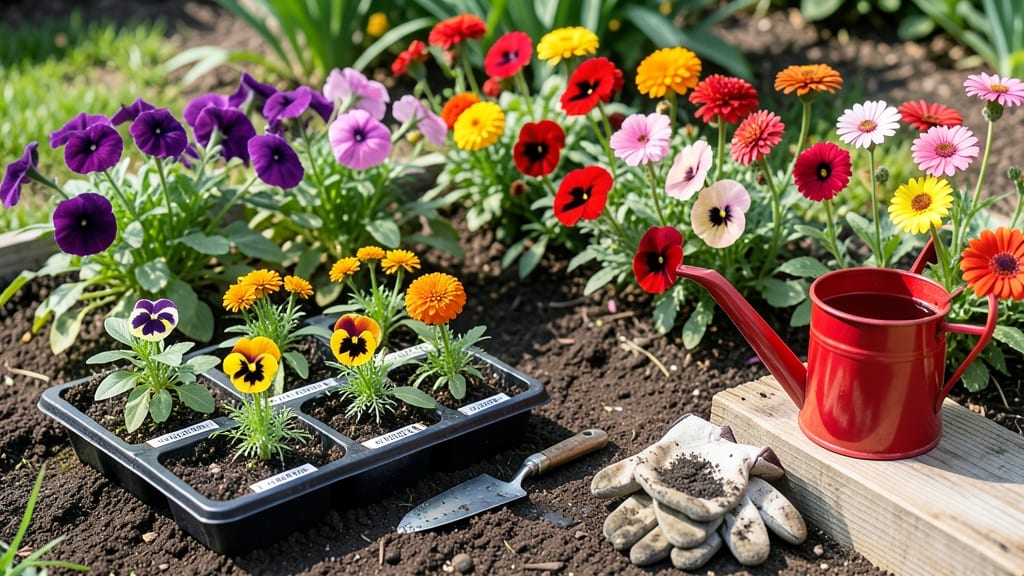
Planting flowers in Philadelphia at the right time ensures vibrant blooms that thrive in the city’s USDA Zone 6b/7a climate.
Timing is everything—get it wrong, and your garden could end up with frost-nipped petals or stunted growth. With unpredictable spring weather, knowing the exact window for each variety makes all the difference.
From cool-season favorites like pansies to heat-loving zinnias, this guide breaks down the best planting schedule for Philadelphia’s short but sweet growing season.
Learn how to align your planting with frost dates, extend the season with smart techniques, and pick the perfect flowers for your zone.
Philadelphia’s frost-free timeline: exact planting dates by hardiness Zone
Philadelphia’s USDA Zone 6b/7a climate creates a unique challenge for gardeners—late spring frosts can still strike as late as May 15th, while urban heat islands push suburban areas 1-2 weeks earlier.
Understanding these frost-free windows is essential for timing your annuals, perennials, and bulbs correctly to avoid frost damage.
Based on 30-year NOAA data and Penn State Extension records, Philadelphia’s average last frost date falls between April 15th and May 15th, but microclimates in city parks vs. suburban backyards can shift this by up to 10 days.
For example, Fairmount Park often warms 3 days earlier than Chester County suburbs.
Here’s your planting timeline broken down by flower type and hardiness zone, including safe planting windows and historical frost risks to help you plan with confidence.
🌱 Pro Tip: Use row covers or cold frames to extend your early spring planting window by 2-3 weeks in Zone 6b areas (like Southwest Philly).
| Plant Type | Zone 6b (SW Philly) | Zone 7a (Suburbs) | Notes |
|---|---|---|---|
| Cool-Season Annuals (Pansies, Snapdragons) | March 15 - April 15 | March 1 - April 1 | Plant early for spring blooms; tolerate light frost. |
| Tender Annuals (Petunias, Marigolds) | May 1 - May 15 | April 20 - May 1 | Wait until soil warms to 60°F; use row covers if late frost risk. |
| Perennial Bulbs (Tulips, Daffodils) | October 1 - November 15 | October 1 - November 1 | Plant in fall for spring blooms; mulch after planting. |
| Hardy Perennials (Coneflowers, Black-Eyed Susans) | April 1 - April 30 | March 20 - April 15 | Transplant after last frost; divide clumps every 3-4 years. |
| Fall Planting (Asters, Chrysanthemums) | August 15 - September 15 | August 1 - September 1 | Plant 6-8 weeks before first frost for fall color. |
For Zone 6b areas (like Southwest Philly or West Philly), delay planting until May 1st for heat-loving annuals like zinnias or sunflowers. These zones experience cooler nights and later soil warming, so test soil temperature with a thermometer—aim for 60°F+ before planting.
In Zone 7a suburbs (e.g., Chesterbrook or Radnor), urban heat islands can push your last frost date to April 20th, allowing 2 weeks earlier planting of warm-season flowers. Monitor local weather alerts via the NOAA Philadelphia forecast for real-time adjustments.
🌿 Key Adjustment: If you’re in a low-lying area (like Wissahickon Valley), frost risk lingers 5-7 days longer due to cold air pooling. Plant heat-loving annuals in raised beds to warm soil faster.
For bulbs like tulips, plant in fall (October-November
Best flower varieties for Philadelphia’s short season: planting order by bloom time
Philadelphia’s short growing season demands a strategic planting order to ensure continuous blooms from spring through fall. By staggering cool-season, warm-season, and perennial flowers, you can create a garden that thrives despite unpredictable weather.
The key is planting heat-tolerant varieties early and cold-hardy ones late to extend your bloom time.
Start with early spring bloomers like pansies and snapdragons, which tolerate light frosts. These will give way to sun-loving summer annuals such as petunias and zinnias. Finally, add perennial workhorses like coneflowers and black-eyed Susans to anchor your garden for years.
This sequence ensures your garden never looks bare, even when the weather shifts.
- 🌱 Early Spring (March-April): Plant pansies and snapdragons (tolerate 28°F temps). These thrive in cool weather and bloom until summer heat arrives.
- 🌿 Late Spring (May): Introduce petunias and geraniums (need 60°F+ soil). These love full sun and handle Philadelphia’s humidity well.
- ☀️ Early Summer (June): Add zinnias and marigolds (heat-tolerant up to 90°F). These attract pollinators and fill gaps as spring flowers fade.
- 🌼 Mid-Summer (July-August): Plant cosmos and sunflowers (drought-resistant). These thrive in late-season heat and add height to borders.
- 🌳 Fall (September-October): Install perennials like coneflowers and black-eyed Susans (hardy to 10°F). These return yearly and bloom into early winter.
For extended blooms, stagger plantings every 2-3 weeks within each category. For example, sow snapdragons in March, then again in late April to ensure fresh flowers as the first batch finishes.
This technique works especially well for annuals like marigolds, which benefit from multiple plantings to keep the garden lively.
Don’t overlook perennial powerhouses like Russian sage and sedum, which handle Philadelphia’s humidity and heat spikes with ease. These plants establish roots early and reward you with low-maintenance blooms from summer through fall. Pair them with self-seeding annuals like calendula for effortless renewal.
Pro tip: Use mulch to regulate soil temperature and retain moisture. A 2-inch layer of shredded bark or straw keeps roots cool in summer and insulated in early spring. This simple step can extend your planting window by 1-2 weeks on either end of the season.
With this planting roadmap, your Philadelphia garden will stay vibrant from March through November, proving that even short seasons can deliver year-round color. The secret? Timing, layering, and a little strategic planning—no frost required!