
Flowers
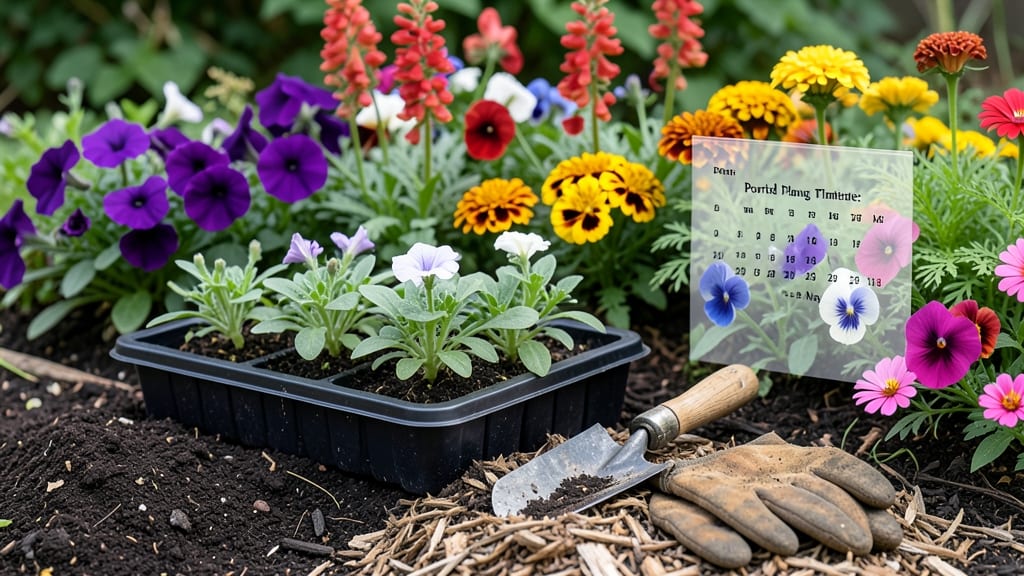
Planting flowers in Portland, Oregon, works best from March through May and again in September to October, when soil and air temperatures align with your blooms’ needs.
Portland’s mild but unpredictable climate can make timing your flower planting tricky—get it wrong, and your blooms may struggle to thrive. But with the right schedule, you’ll enjoy vibrant gardens from spring to fall.
In USDA Zone 8a, annuals like petunias and marigolds love the warm spring soil, while perennials such as lavender and black-eyed Susans benefit from fall planting to establish roots before winter.
The key is knowing when the last frost (March 15) has passed and when to tuck in tender varieties before the first chill (November 15).
Below, I’ll break down the perfect planting windows for Portland’s most popular flowers, plus how to adjust for late frosts, heavy rains, and those sudden heatwaves that love to throw off your plans.
Best planting months for flowers in Portland Oregon’s USDA Zone 8a
Portland’s USDA Zone 8a climate offers a 180-day frost-free season, but the city’s microclimates—from coastal-influenced areas to inland heat pockets—mean planting timing varies. The last average frost typically hits around March 15, while the first frost arrives by November 15.
To maximize blooms, align your planting schedule with Portland’s rainfall patterns and soil warming trends.
Spring is the prime time for most flowers, but fall planting extends your blooming season. Annuals like petunias and marigolds love warm soil, while perennials benefit from early starts. Bulbs have their own rhythm—plant them in fall for spring blooms or early spring for summer flowers.
Let’s break down the best months for each flower type to keep your garden thriving year-round.
🌱 Pro Tip: Use a soil thermometer to confirm 50°F soil temps before planting cool-season flowers in spring, or wait until 60°F+ for heat-loving annuals.
| Plant Type | Best Planting Months | Key Considerations | Portland-Specific Notes |
|---|---|---|---|
| Cool-Season Annuals (Pansies, Snapdragons, Calendula) | February–March | Tolerate light frost; thrive in 50–65°F soil | Plant February for spring blooms; avoid late March if frost risk lingers. |
| Warm-Season Annuals (Petunias, Marigolds, Zinnias) | May–June | Need 60°F+ soil; sensitive to frost | Wait until after May 15 for coastal areas; inland zones can plant 1 week earlier. |
| Perennials (Daylilies, Coneflowers, Lavender) | March–April | Establish roots before summer heat | Amend clay soil with compost; mulch heavily in summer. |
| Spring-Blooming Bulbs (Tulips, Daffodils, Hyacinths) | October–November (for spring blooms) | Plant in cool soil before dormancy | Avoid late November if ground is frozen; coastal areas can plant until December 1. |
| Summer-Fall Bloomers (Dahlias, Chrysanthemums, Asters) | May–June (tender) or September (hardy) | Tender types need warmth; hardy types tolerate cool nights | Start dahlias from tubers in May; mums planted in September bloom until frost. |
| Tender Perennials (Fuchsias, Geraniums, Coleus) | May–June (after frost) | Cannot tolerate freezing temps | Use containers for mobility; bring indoors before November 1. |
Spring planting kicks off in March for cool-season annuals like pansies and snapdragons, which can handle Portland’s occasional late frosts. These hardy bloomers thrive in 50–65°F soil, so test
Flowers that thrive in Portland’s unique microclimates
Portland’s diverse microclimates—from urban heat islands to coastal breezes—create perfect conditions for hardy yet vibrant flowers. The Willamette Valley’s mild winters and wet springs, combined with rain shadow effects in areas like Southeast Portland, mean you can grow everything from drought-resistant blooms to shade-loving perennials.
I’ve selected top performers that adapt to these conditions while minimizing fuss.
For urban heat islands (like downtown or industrial areas), prioritize drought-tolerant annuals and heat-loving perennials that thrive with minimal water. Coastal areas near the Columbia River Gorge benefit from humidity-loving flowers, while rain shadow zones (e.g., Beaverton or Tigard) need fast-draining soils and cold-hardy varieties.
Let’s dive into the best picks for each zone.
🌱 Top 5 Flowers for Portland’s Microclimates
- 1. Lavender (Drought-Tolerant) – Thrives in urban heat islands; needs well-draining soil and full sun. Perfect for pollinators and low-water gardens.
- 2. Astilbe (Shade-Loving) – Ideal for coastal areas with partial shade; loves moist, rich soil. Blooms from summer to fall.
- 3. Penstemon (Rain Shadow Hero) – Handles dry spells and poor soil; attracts hummingbirds. Plant in spring or early fall for best results.
- 4. Black-Eyed Susan (Versatile Annual) – Adapts to full sun or partial shade; drought-resistant once established. Blooms June to October.
- 5. Hellebore (Cold-Hardy Perennial) – Survives late frosts and shady spots; blooms in late winter or early spring when little else is flowering.
If you’re in a sun-baked urban pocket, lavender and salvia are my go-to choices—they demand little water but pack big fragrance and color. For shadier gardens (common in older Portland neighborhoods), heuchera and hostas pair beautifully with astilbe for layered interest.
In drier rain shadow areas, sedum and yarrow stay resilient with minimal care.
Don’t overlook cold-hardy annuals like pansies and snapdragons, which tolerate Portland’s unpredictable springs. Plant them in early March for spring blooms, or again in late August for fall color. These varieties handle light frosts and add instant vibrancy to beds.
For container gardens (great for apartment balconies or small yards), petunias and geraniums thrive in well-draining mixes and morning sun. Just ensure pots have drainage holes—Portland’s heavy rains can drown roots if water pools.
Mulch with wood chips to retain moisture and suppress weeds, especially in shadier microclimates.
Pro tip: Group plants with similar water needs to simplify care. For example, pair drought-tolerant lavender with succulent-like sedum in one bed, while moisture-loving astilbe and fuchsia share another. This zonal planting reduces stress on your schedule—and your plants.