
Flowers
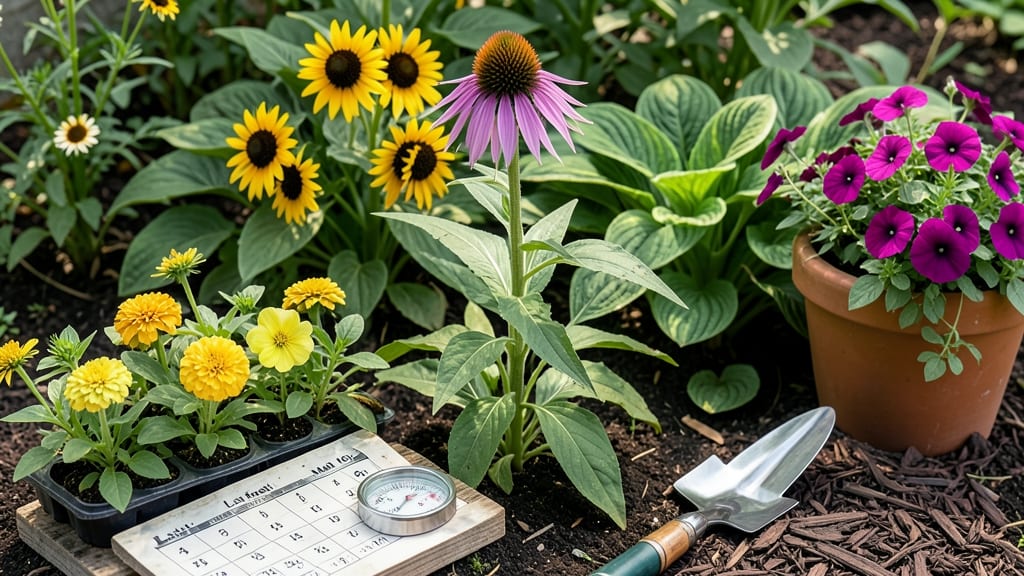
To plant flowers in Rhode Island, aim for early spring—after the last frost date around April 15—or early fall before the first frost in late October 🌸.
Rhode Island’s chilly springs and unpredictable coastal weather can make gardening a challenge—but planting flowers at the right time ensures vibrant blooms all season long.
Whether you’re a first-time gardener or a seasoned pro, timing is everything for cold-hardy varieties in Zones 6-7. The key is understanding your local microclimate, whether you’re in Providence or near the ocean.
Here’s what you need to know: the best planting windows for annuals, perennials, and bulbs, plus tips to extend your blooming season with smart strategies.
Best flower planting timeline for Rhode Island’s climate and Zones 6-7
Rhode Island’s Zone 6-7 climate demands precise timing for flower planting, especially with coastal microclimates that can delay springs or bring early frosts. The average last frost date is around April 15, while the first frost typically arrives by October 31.
This narrow window means choosing the right planting months and varieties is critical for success.
For annuals like marigolds and pansies, timing varies dramatically—some thrive in cool springs, while others need warm soil. Perennials and bulbs offer more flexibility but still require attention to soil temperature and frost risks. Let’s break down the best month-by-month planting schedule tailored to Rhode Island’s unique conditions.
In March, focus on cool-season annuals like pansies and sweet alyssum, which tolerate light frosts. These varieties thrive in 40-50°F soil and can even handle coastal winds if planted near windbreaks. For perennials, divide and transplant established clumps before new growth begins.
By April, soil warms enough for hardy annuals like snapdragons and calendulas. Wait until after the last frost date (typically mid-April) to plant heat-loving annuals such as marigolds or sunflowers. Coastal areas may need an extra week of patience due to slower warming.
Summer planting in June-July is ideal for heat-tolerant varieties like zinnias or cosmos. These flowers handle Rhode Island’s humid summers well but require consistent watering. For fall color, start late-season bulbs like crocuses in late summer for early spring blooms.
Don’t overlook fall planting! September is perfect for spring-blooming bulbs like tulips and daffodils, which need 6-8 weeks of cool weather to root before winter. For annuals, try pansies or stock in late August for winter color—they’ll bloom until snow flies.
Pro tip: Use row covers or mulch to protect early spring plantings from late frosts. In coastal areas, elevated beds help prevent soil saturation from salt spray. Always check your local frost-free date—it can vary by 2-3 weeks across Rhode Island’s regions.
With this seasonal planting guide, you’ll maximize blooms from early spring pansies to <
Top 10 cold-hardy flowers that thrive in Rhode Island gardens
Rhode Island’s Zone 6-7 climate demands flowers that can handle late frosts and coastal winds. The right cold-hardy varieties will reward you with vibrant blooms from spring through fall, even when temperatures drop.
These top 10 flowers are proven winners in local gardens, offering low-maintenance beauty and resilience to the Ocean State’s unpredictable weather.
From perennial workhorses like coneflowers to early-season bulbs like daffodils, these plants thrive in Rhode Island’s acidic, well-draining soils and humid summers. Many even self-seed, reducing your workload year after year. Whether you’re filling sunny borders or shady nooks, these flowers deliver long-lasting color with minimal fuss.
📋 Key Considerations for Rhode Island Gardens:
- Timing matters: Plant bulbs in fall (October) and perennials in early spring (April).
- Mulch heavily (3–4 inches) to protect roots from freeze-thaw cycles.
- Choose disease-resistant varieties to combat humidity and fungal pressure.
| Flower | Type | Bloom Time | Sun Needs | Hardiness |
|---|---|---|---|---|
| Daffodils | Bulb | Early spring | Full sun | Zone 3-7 |
| Coneflowers | Perennial | Summer-fall | Full sun | Zone 3-9 |
| Black-Eyed Susans | Perennial | Late summer | Full sun | Zone 4-9 |
| Russian Sage | Perennial | Mid-late summer | Full sun | Zone 4-9 |
| Daylilies | Perennial | Summer | Partial shade | Zone 3-10 |
| Pansies | Annual | Spring-fall | Partial shade | Zone 7-11 |
| Bearded Iris | Perennial | Late spring | Full sun | Zone 3-9 |
| Shasta Daisy | Per |