
Flowers
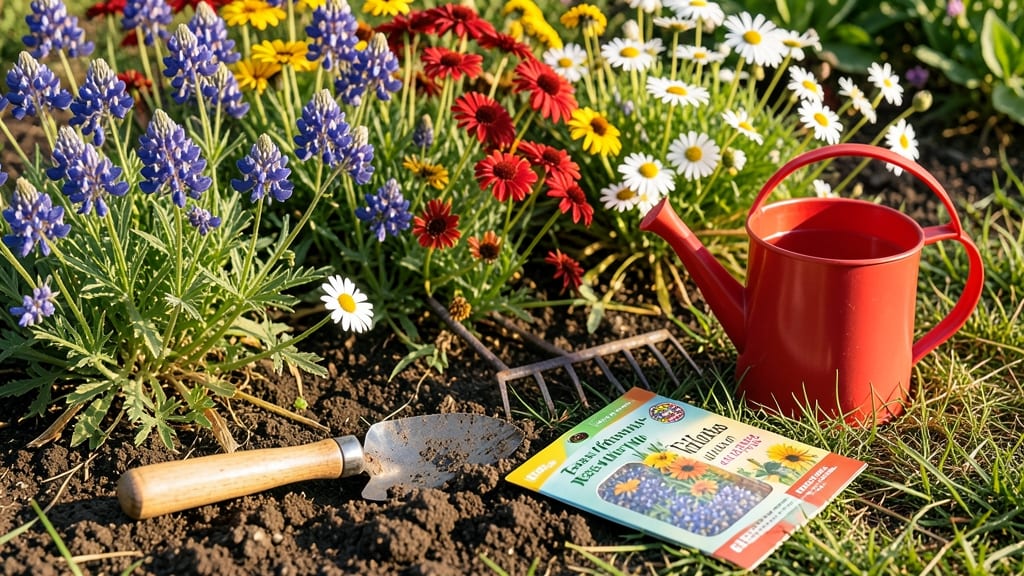
To plant flowers in San Antonio at the perfect time means catching the window between September and March—when the heat isn’t brutal and the soil stays workable.
Picture this: you’ve spent hours picking out vibrant 🌸 zinnias and salvias, only to watch them wilt under the midday sun before they even bloom. That’s why timing matters—San Antonio’s USDA Zone 8a climate demands a strategy to beat the heat and frost.
Fall planting (September–November) gives flowers a head start, while spring (February–March) ensures they thrive before summer arrives. The key? Choosing drought-resistant varieties and watering deeply but infrequently to keep roots strong.
Below, I break down the perfect planting schedule by flower type, including native picks that thrive with minimal fuss. No more guesswork—just year-round color that actually lasts.
Best flower planting schedule for San Antonio’s climate zones
San Antonio’s USDA Zone 8a-9a climate means we can grow flowers almost year-round, but timing matters for vibrant blooms. The key is understanding frost dates (typically mid-December to mid-January) and heat tolerance. Planting at the right time ensures your flowers thrive, not just survive.
Fall is my favorite planting season in San Antonio—cooler temps reduce stress on plants, and annuals planted in September-October often bloom through winter. Spring planting (February-March) gives flowers a head start before summer heat arrives. Let’s break down the best planting windows for each season.
Here’s a quick reference for San Antonio’s flower planting schedule, including frost dates and heat tolerance factors:
Fall planting (September–November) is ideal for annuals like zinnias and perennials like salvia. These plants establish roots before winter and often bloom earlier in spring. I recommend mulching heavily after planting to protect roots from temperature swings.
Winter planting is limited, but cold-hardy annuals like pansies and snapdragons thrive in San Antonio’s mild winters. Plant these after the last frost (January 15) for continuous color through spring. Use row covers for extra protection if frost threatens.
Spring (February–March) is the best time to plant heat-loving annuals like sunflowers and marigolds. These varieties need time to establish roots before summer heat arrives. I always water deeply at planting and add compost to improve soil moisture retention.
Summer planting (June–August) focuses on drought-tolerant flowers like portulaca and lantana. These thrive in San Antonio’s heat but require afternoon shade to prevent wilting. I suggest planting these in well-draining soil and watering only at the base of the plant.
For year-round blooms, mix fall and spring plantings. For example, plant zinnias in September for winter color and salvias in March for summer blooms. This creates a nonstop floral display with minimal effort.
Pro tip: Always check plant tags for specific heat or cold tolerance. Native San Antonio plants like bluebonnets and blackfoot daisies are excellent choices—they’re adapted to our climate and require less maintenance.
With this schedule, your San Antonio garden can burst with color all year. Start with fall plantings, then layer in spring and summer varieties for a continuous bloom cycle. Happy planting! 🌸
Top flower varieties and their ideal planting months in San Antonio
San Antonio’s climate rewards gardeners with long blooming seasons, but timing is critical for success. The right planting window ensures flowers thrive through our hot summers and mild winters. Native plants and heat-tolerant varieties are your best bets for year-round color.
Let’s dive into the top 15 flowers that will flourish in your garden when planted at the perfect time.
For spring bloomers, aim for February-March planting, while fall favorites should go in September-October. Many flowers, like zinnias and marigolds, can handle direct summer heat if established early.
Below, I’ve curated a list of proven performers with their ideal planting windows, sunlight needs, and care tips tailored to San Antonio’s unique growing conditions.
- Bluebonnets (Lupinus texensis) - Plant September-October for spring blooms. Full sun, drought-tolerant. Native Texas beauty!
- Salvia (Salvia greggii) - September-October or February. Full sun, drought-resistant. Thrives in heat.
- Zinnias (Zinnia elegans) - March-April or September. Full sun, continuous blooms if deadheaded.
- Marigolds (Tagetes spp.) - March-April or September. Full sun, pest-repellent. Great for borders.
- Lantana (Lantana camara) - March-April. Full sun, heat-loving. Drought-tolerant once established.
- Blackfoot Daisy (Melampodium leucanthum) - September-October. Full sun, native perennial. White blooms year-round.
- Mexican Feather Grass (Nassella tenuissima) - September-October. Full sun, ornamental grass. Adds texture.
- Pentstemon (Pentstemon barbatus) - September-October. Full sun, native wildflower. Hummingbird magnet.
- Gaillardia (Blanket Flower) - March-April or September. Full sun, long-lasting blooms. Drought-tolerant.
- Coreopsis (Tickseed) - September-October. Full sun, perennial. Bright yellow/orange flowers.
- Salvia leucantha (Mexican Bush Sage) - September-October. Full sun, velvety purple spikes. Fall-blooming.
- Dahlia (Dahlia spp.) - March-April. Full sun, cut flowers. Stake for support.
- Sunflower (Helianthus annuus) - March-April. Full sun, fast-growing. Great for pollinators.
- Celosia (Celosia argentea) - March-April or September. Full sun, bold colors. Heat-tolerant.
- Verbena (Verbena bonariensis) - September-October. Full sun, tall spikes. Drought-resistant.
Each of these flower varieties thrives with well-draining soil and minimal fertilizer—San Antonio’s caliche soil can be amended with compost for better results. For container gardening, choose compact varieties like zinnias or celosia that won’t outgrow their pots.
Native plants like bluebonnets and blackfoot daisy require almost no maintenance once established, making them perfect for low-water gardens. Pair them with drought-tolerant perennials like salvia or gaillardia for a long-lasting display. Mulch heavily in summer to retain moisture and protect roots from heat stress.
For extended blooming, deadhead spent flowers regularly and fertilize lightly every 6-8 weeks during the growing season. Avoid overwatering—most San Antonio-adapted flowers prefer dry conditions once established. With these timing tips and care guidelines, your garden will burst with color from spring through fall.
Pro tip: Plant fall-blooming varieties like salvia leucantha in September for stunning autumn displays, and spring bloomers like dahlias in March to enjoy summer flowers.
The key is matching each flower’s needs to San Antonio’s microclimates—whether you’re in a hot urban area or a cooler hill country zone.