
Flowers
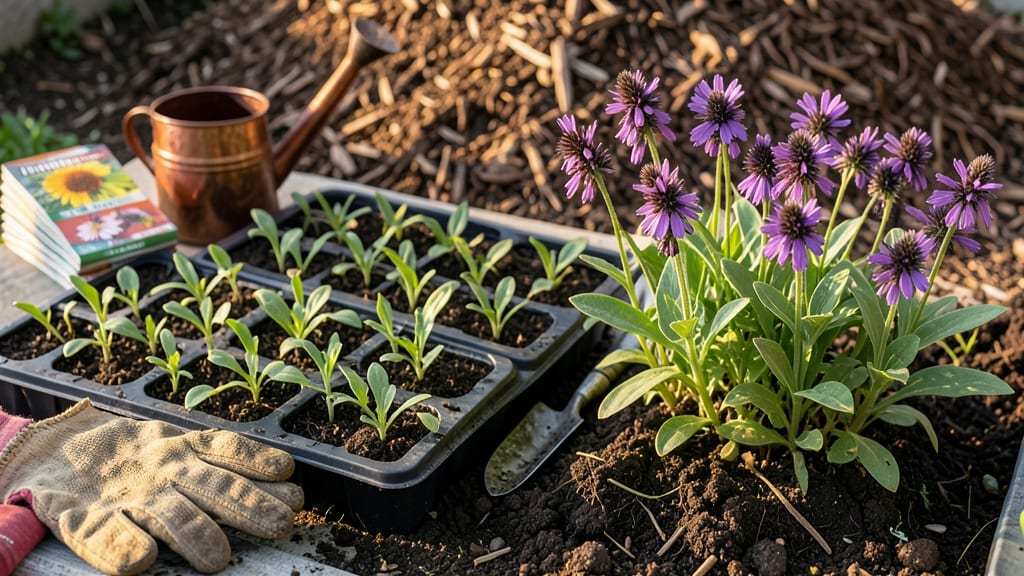
Planting flowers in Utah means timing your garden to the last frost and USDA Zones 4-7, where a single week can mean the difference between thriving blooms and wilted disappointment.
Utah’s diverse climate—from high deserts to mountain valleys—means your flower planting schedule must adapt to USDA Zones 4 through 7. Get it wrong, and your blooms may struggle; time it right, and you’ll enjoy vibrant gardens year-round.
Spring is the prime season for most flowers 🌸, but whether you’re in Salt Lake City or St. George, the last frost date shifts dramatically. Bulbs need to go in the ground 6-8 weeks before that date, while annuals wait until the soil warms.
Below, I’ll break down the exact planting windows for Utah’s most popular flowers, plus how to adjust for your local microclimate—so you can start strong and keep blooming all season.
Utah’s flower planting calendar by season: best times for annuals, perennials, and bulbs
Utah’s diverse microclimates—from the high desert of Moab to the Wasatch Front in Salt Lake City—create unique challenges for gardeners. While USDA Zones 4-7 cover most of the state, your last frost dates can vary by 3-4 weeks between regions.
For example, St. George (Zone 7) enjoys 210 frost-free days, while Logan (Zone 5) has just 90 days of warmth. Timing is everything when planting annuals, perennials, and bulbs to ensure vibrant blooms.
To maximize success, I’ve broken down the ideal planting windows for each season, including Utah-adapted varieties that thrive in our dry climate. Whether you’re planting spring bulbs like tulips or summer annuals such as petunias, this guide ensures your garden stays ahead of Utah’s unpredictable weather patterns.
Let’s dive into the seasonal planting calendar tailored for your specific location.
For spring planting, focus on bulbs and perennials like tulips and coneflowers, which thrive when planted 6-8 weeks before your last frost date. In Salt Lake City, this typically means October-November for bulbs and April-May for perennials.
If you’re in Park City, plant bulbs earlier (September-October) to account for colder soil temperatures. Always test your soil’s drainage—Utah’s alkaline soils can stunt bulb growth if not amended with compost or sand.
Summer is the time for annuals
How to adjust planting dates for Utah’s unique microclimates (zones 4-7)
Utah’s diverse microclimates create challenges for gardeners. While St. George (Zone 7) enjoys longer growing seasons, Logan (Zone 5) faces earlier frosts. Even nearby areas can have 10-day differences in frost dates—critical for timing. Understanding these variations ensures your flowers thrive from spring to fall.
Key factors like elevation, soil temperature, and urban heat islands shift planting windows dramatically. For example, St. George’s mild winters allow year-round planting of drought-tolerant perennials, while Logan’s cooler climate demands earlier starts for annuals.
Let’s break down how to adjust your schedule for Utah’s most common growing zones.
🌱 Comparison Table: Utah Planting Dates by Zone
To fine-tune your schedule, use a frost-free date calculator like the Almanac’s Local Frost Calculator. Enter your ZIP code to get precise last frost dates—critical for warm-season flowers like marigolds or zinnias.
For example, Salt Lake City (Zone 5b) typically has a May 15 last frost, while Cedar City (Zone 6b) averages April 20.
Adjust for urban heat islands too. Cities like Salt Lake City can be 5–10°F warmer than rural areas, extending the growing season by 2–3 weeks. Plant heat-loving flowers like lantana or salvia earlier in urban zones.
Conversely, high-elevation areas (e.g., Park City) may need cold-hardy varieties like coneflowers or black-eyed Susans.
For fall planting, aim to sow 6–8 weeks before your first frost. In Zone 7 (St. George), this means September 15–October 1, while Zone 5 (Logan) gardeners should plant by August 15.
Use mulch to protect tender roots from early frosts and extend the season for cool-season bloomers like pansies.
Pro tip: Start seeds indoors 4–6 weeks before your last frost date to jumpstart growth. Use grow lights for 14–16 hours/day to mimic Utah’s long summer days. This is especially helpful for slow-growing perennials like lavender or Russian sage, which need a head start in cooler zones.