
Flowers
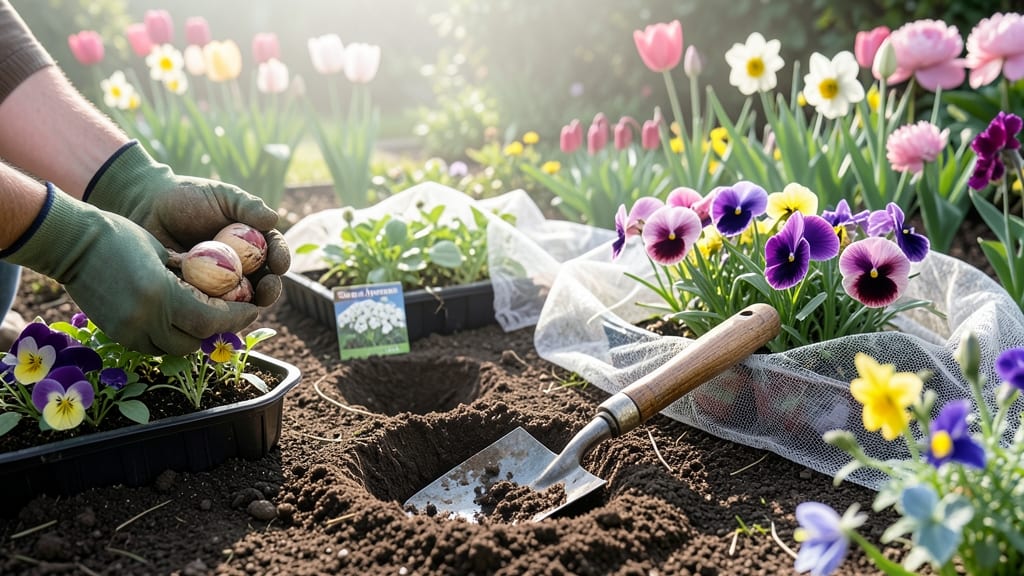
Planting flowers in Zone 5 at the right time ensures vibrant blooms and avoids frost damage or stunted growth—timing is everything for a showstopping garden.
Picture this: you’ve spent weeks picking out your favorite 🌸 annuals and perennials, only to watch them wilt under a late frost or struggle to take root in cold soil. That’s why knowing the exact months to plant—whether it’s spring bulbs or fall-hardy varieties—is the key to success.
Zone 5’s mid-May last frost and mid-October first frost set the stage, but soil temperature and microclimates (like urban heat or slopes) can shift those deadlines by weeks.
Below, I’ll break down the best planting windows for every type of flower, plus how to adjust for your specific corner of the zone.
From tulip bulbs planted by Halloween to marigolds sown in late spring, you’ll learn the precise schedule—and the simple tweaks—to guarantee a garden that blooms all season long.
Zone 5 flower planting calendar: exact months for annuals, perennials, and bulbs
Getting your flower planting timing right in Zone 5 is all about reading the climate cues—like last frost dates and soil temperatures. Plant too early, and frost will nip tender shoots. Too late, and you’ll miss peak bloom seasons.
My 10-year gardening experience in this zone taught me that cool-season flowers (like pansies) thrive in early spring and fall, while warm-season favorites (like zinnias) need to wait until after May’s last frost.
Zone 5 spans from southern Wisconsin to northern Virginia, so exact dates vary slightly by location. Use your local frost date averages (typically mid-May for last frost and mid-October for first frost) as your guide.
For example, tulip bulbs must be planted by Halloween to establish roots before winter, while marigolds can wait until after Memorial Day for full summer color.
For warm-season annuals, like geraniums and petunias, wait until soil temperatures hit 60°F+—usually late May to early June in Zone
How to adjust planting times based on last frost dates and microclimates
Zone 5 gardeners face unique challenges with last frost dates that can vary by 1-2 weeks across regions. While the average last frost falls around May 15, your local microclimate might push it to May 25 or earlier.
Always check your local frost calendar—not the county average—to avoid planting too soon.
Soil temperature matters just as much as air temperature. Most flowers need soil to reach 50°F (10°C) before planting. Use a soil thermometer to verify—cold soil can stunt root growth even after frost danger has passed. In my garden, I’ve seen 3-week delays between air frost dates and soil warming.
Microclimates—like south-facing slopes or urban heat islands—can create pockets where frost arrives 10 days earlier or disappears 2 weeks sooner than official records. Observe your garden’s patterns over 2-3 years to identify these hotspots.
- 📅 Verify your last frost date—check local weather stations or plant frost-sensitive annuals (like marigolds) as test plants in early May.
- 🌡️ Wait for soil warmth—plant cool-season flowers (e.g., pansies) when soil hits 45°F (7°C); wait for 50°F (10°C) for warm-season varieties like petunias.
- 🏙️ Adjust for microclimates—plant heat-loving flowers (e.g., lantana) 2 weeks earlier in urban areas; delay frost-sensitive geraniums by 1 week in cold valleys.
- 📋 Use a frost-freeze checklist:
- ☑️ 3 consecutive days above 50°F (10°C)
- ☑️ Soil temperature stable at 50°F+ for 5+ days
- ☑️ No frost warnings in 7-day forecast
- 🌱 Start seeds indoors 6-8 weeks before last frost for warm-season flowers (e.g., tomato flowers, salvias), using grow lights if natural light is weak.
For fall planting, count back 6-8 weeks from your first frost date (typically October 15 in Zone 5). Hardy perennials like black-eyed Susans can handle cooler soil, but tender annuals (e.g., cosmos) need soil above 55°F (13°C) to establish roots before winter.
Pro tip: Plant warm-season flowers in black plastic mulch to raise soil temps by 5-10°F, extending your planting window by 10-14 days. I’ve successfully planted zinnias in early June using this trick in cooler microclimates.
Always keep a gardening journal to track when you plant and how flowers perform. Over time, you’ll spot patterns—like my south-facing raised beds warming 2 weeks earlier than the rest of the yard—and adjust accordingly for peak blooms every season. 🌸