
Flowers
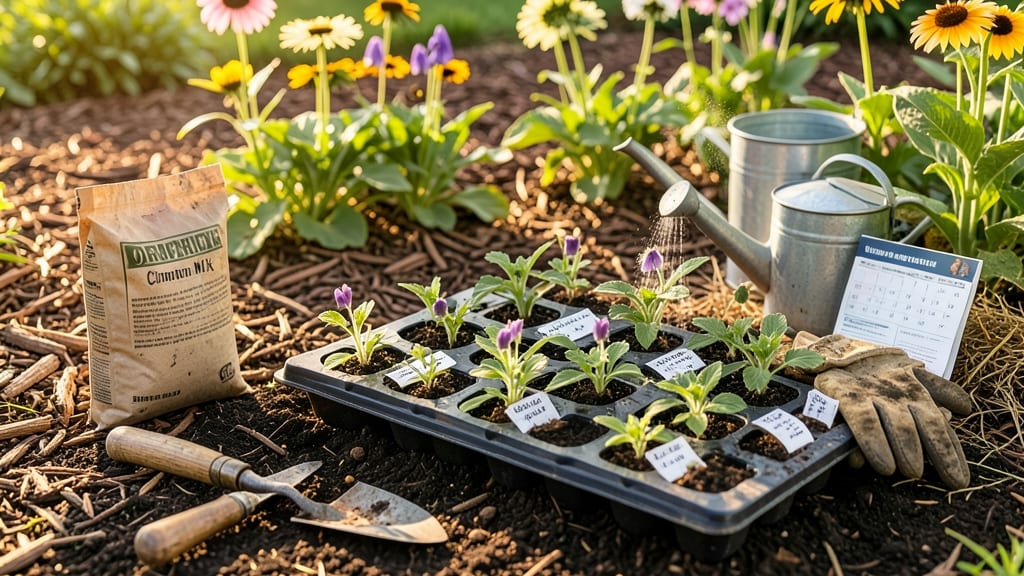
To plant flowers in Wisconsin, aim for April 15–May 15 in spring or August 15–September 15 in fall, aligning with your USDA zone’s last-frost date.
Wisconsin’s unpredictable spring weather can turn a beautiful flower garden into a gamble—unless you know the exact timing for planting based on your zone and last-frost dates.
Whether you’re growing hardy perennials like coneflowers or delicate annuals such as petunias, getting the timing right means the difference between vibrant blooms and wilted disappointment.
Below, I’ll break down the ideal planting windows by zone, share soil prep tips to set your flowers up for success, and reveal how to adjust for Wisconsin’s rollercoaster weather.
Wisconsin’s last-frost dates by zone: the critical timeline for flower planting
Wisconsin spans USDA Hardiness Zones 3-5, meaning last-frost dates can vary by 2-3 weeks between northern and southern regions. For gardeners, this translates to a critical 10-day window between the average last frost and when it’s truly safe to plant tender flowers.
Missing this window risks frost damage to delicate blooms like petunias or geraniums, while hardy perennials like coneflowers can handle cooler temperatures.
Understanding your zone’s last-frost date is the first step. In Zone 3 (northern WI), the average last frost is May 10, while Zone 5 (southern WI) typically sees its last frost by April 20.
However, these dates are averages—actual frost dates can shift by 2 weeks due to weather patterns. That’s why I recommend waiting until you’ve passed the 10-day rule: plant only after 10 consecutive frost-free days.
Here’s the key difference: Hardy annuals (like pansies or snapdragons) can often tolerate light frosts, while tender perennials (such as dahlias or canas) need warmer soil temperatures (55°F+) to thrive.
Soil temperature matters more than air temperature—even if daytime highs reach 60°F, cold nights can keep soil chilly.
To avoid disappointment, I always check the National Weather Service’s Wisconsin climate data for your specific county. For example, Milwaukee (Zone 5) has a 30% chance of frost after April 20, while Green Bay (Zone 4) still sees frost until May 5.
Local nurseries, like Old House Gardens in Madison, also offer zone-specific planting guides tailored to Wisconsin’s microclimates.
Now, let’s break down the zone-by-zone last-frost dates and how they impact your flower planting timeline. Use this summary table as your guide to determine the best time to plant in your area.
Once you’ve identified your zone, the next step is to apply the 10-day rule. This means waiting 10 days after your average last-frost date before planting tender flowers. For example,
Best flowers to plant by month in Wisconsin: month-by-month guide
Wisconsin gardeners know timing is everything—especially when spring frost can still sneak in as late as May. The key is matching flower types to Wisconsin’s four distinct planting windows, from early cool-season starters to late fall bloomers.
Each month offers unique opportunities, whether you’re sowing Wisconsin-native perennials or extending summer color with heat-loving annuals.
For Zone 4-5 gardeners, I’ve broken down the best monthly planting schedule to maximize blooms while avoiding frost damage. Pro tip: Always check your local last-frost date (typically mid-April to early May in southern WI, late May in the north) before planting tender varieties.
Now, let’s dive into the month-by-month guide to transform your Wisconsin garden into a year-round floral masterpiece.
- 🌱 March: Cool-season champions like pansies, snapdragons, and Wisconsin-hardy perennials (e.g., heuchera, coral bells). Start indoor seedlings for tomatoes and peppers (yes, they count for garden prep!).
- 🌷 April-May: Spring bloomers like tulips, daffodils, peony, and bearded iris. Wait until soil hits 50°F for annuals (e.g., petunias, marigolds) and native wildflowers like black-eyed Susan.
- ☀️ June: Summer annuals thrive now—plant cosmos, zinnias, and sunflowers. Succession plant basil and nasturtiums for continuous blooms. Deadhead spring perennials to encourage fall rebloom.
- 🍂 September: Fall favorites like mums, aster, and Wisconsin-native coneflowers. Plant bulbs (e.g., daffodils, crocus) for early spring color. Avoid planting tender perennials after mid-September.
March is your cool-season power month for hardy perennials and biennials. I always start with pansies and violas—they tolerate light frosts and bloom until summer.
For native Wisconsin plants, columbine and lupine thrive when sown in early spring. Use row covers if nighttime temps dip below 20°F to protect young shoots.
By April-May, focus on spring-blooming perennials like peony and iris, which need full sun and well-draining soil. This is also prime time for annuals—my go-to is petunias for hanging baskets and marigolds to deter pests.
For Wisconsin natives, butterfly weed (asclepias tuberosa) is a pollinator magnet when planted in well-drained areas.
June is all about summer annuals that love heat and humidity. I swear by cosmos for their drought tolerance and zinnias for their long-lasting blooms. Don’t forget sunflowers—they’re easy for beginners and attract bees and birds.
For perennial care, deadhead spent blooms to encourage fall rebloom in varieties like daylilies and coneflowers.
September’s fall planting window is shorter but just as critical. Mums and asters add late-season color, while bulbs like tulips and daffodils get established for next spring’s show.
For Wisconsin natives, goldenrod and sedum thrive in dry, sunny spots. Always water newly planted fall flowers deeply to help roots establish before first frost.