
Plants
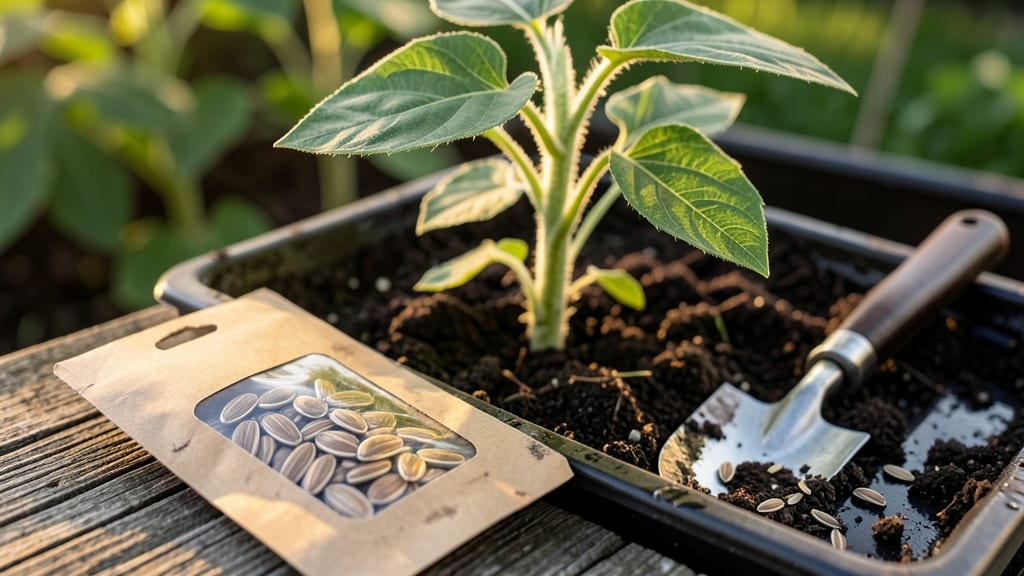
To plant sunflower seeds in California, aim for late March through early May in most regions—timing that dodges frost while giving them a full summer to grow tall.
But here’s the catch: coastal areas like San Francisco need a later start, while desert regions can handle an earlier sowing. Get it wrong, and you’re left with leggy, weak stems or flowers that bolt before blooming.
California’s microclimates mean your neighbor’s perfect timing might not work for you. Whether you’re in foggy USDA Zone 7 or the baking Central Valley, the right window makes all the difference.
Below, I’ll break down the exact months for each zone, soil prep secrets, and how to keep your 🌻 sunflowers thriving through the state’s extremes—no guesswork, just towering blooms.
California’s sunflower planting calendar by USDA hardiness zones
California’s 11 USDA hardiness zones (5–10) create wildly different growing conditions for sunflowers. Coastal areas like San Francisco (Zone 9–10) enjoy mild winters, while desert valleys (Zone 9–10) and Central Valley (Zone 8–9) face scorching summers. Timing your sunflower seeds right ensures vibrant blooms instead of stunted growth.
Sunflowers thrive in warm soil temperatures (60°F+) and full sun (6+ hours daily). Direct sowing is ideal, but transplants work in cooler zones. Frost-sensitive varieties need careful timing—especially in Zone 5–7 (mountain regions like Lake Tahoe). Let’s break down the perfect planting windows for each microclimate.
Pro Tip: Test your soil’s drainage before planting—sunflowers hate soggy roots. Amend clay soil with compost or sand, and avoid heavy fertilizers that encourage leafy growth over blooms. Coastal gardeners should also choose dwarf varieties to avoid wind damage.
⚠️ Key Rule: Never plant sunflowers after June 15 in most zones—late plantings risk bolting (premature flowering) or shortened bloom seasons. In Zone 10 deserts, you can extend planting into early September for fall blooms.
In Zone 5–7 (mountain regions), start seeds indoors 4–6 weeks before last frost (typically mid-April). Transplant outdoors only after soil warms to 60°F—usually late May. Dwarf varieties like ‘Teddy Bear’ (3–4 ft tall) work best here, as they bolt less easily in cool weather.
For Zone 8–9 (Central Valley and coastal areas), direct sow seeds in March–April for summer blooms. Succession plant every 2 weeks to extend your harvest. In Zone 8’s hotter inland areas, prioritize shade cloth during peak summer to prevent heat stress on young plants.
Zone 10’s desert gardeners have a unique advantage: fall planting (September–October) avoids summer’s extreme heat. Mulch with straw to lock in moisture, and water deeply 2–3 times per week until established. Variety tip: Try ‘Russian Giant’ for 12-foot stalks—but stake them!
If you’re growing sunflowers in containers, plant seeds April–June in 12"+ deep pots with drainage holes. Move containers to bright, sheltered spots to prevent wind damage. Dwarf varieties like ‘Moulin Rouge’ (2–3 ft) thrive in pots and bloom faster than standard types.
After planting, water deeply at the base (1–2 inches per week) and avoid w
Microclimate-specific tips: coastal vs. desert sunflower success
California’s sunflowers face wildly different challenges depending on location. In coastal areas like San Francisco, chilly fog and delayed warming demand early starts, while desert regions like Palm Springs require heat-tolerant varieties and deep watering.
Let’s break down the key adjustments for each microclimate to ensure your sunflowers reach their full potential.
For coastal gardens, aim to plant sunflower seeds 2–4 weeks earlier than inland areas. The San Francisco Bay Area (USDA Zone 9–10) typically sees last frost dates in mid-March, but fog delays soil warming.
Use black plastic mulch to raise soil temperatures and plant dwarf varieties like ‘Teddy Bear’ to avoid wind damage.
In desert regions, such as the Coachella Valley (USDA Zone 10–11), heat stress is the biggest threat. Start seeds indoors in February and transplant outdoors after March 15 when daytime temps stabilize above 75°F.
Choose heat-resistant varieties like ‘Autumn Beauty’ or ‘Moulin Rouge’ to thrive in 110°F+ conditions.
Here’s a quick comparison of coastal vs. desert planting strategies to help you decide:
- Cooler temps reduce pest pressure (e.g., aphids)
- Longer growing season for taller varieties
- Fog reduces water loss in soil
- Delayed soil warming slows germination
- High humidity risks fungal diseases
- Strong coastal winds can topple tall stems
- Longer daylight hours speed growth
- Heat-tolerant varieties bloom faster
- Low pest activity (fewer insects)
- Extreme heat causes bolting or wilting
- Requires frequent deep watering (2–3x/week)
- Soil dries out quickly, needs mulch
Soil prep is critical for both regions. In coastal areas, amend heavy clay soil with compost and perlite to improve drainage, while desert soils benefit from organic matter like cow manure to retain moisture. Test your soil’s pH—sunflowers prefer 6.0–7.5, and coastal soils often lean acidic.
Watering strategies must adapt too: coastal sunflowers need consistent moisture (1–2 inches per week) to combat fog-related stress, while desert sunflowers thrive on deep, infrequent watering (2–3 gallons per plant, 2–3 times weekly). Always water at the base to avoid fungal issues from wet foliage.
With these microclimate-specific tweaks, your sunflowers will stand tall and proud—whether they’re basking in coastal breezes or desert sun. Start early, monitor conditions, and enjoy the rewards of a well-adapted garden! 🌻