
Plants
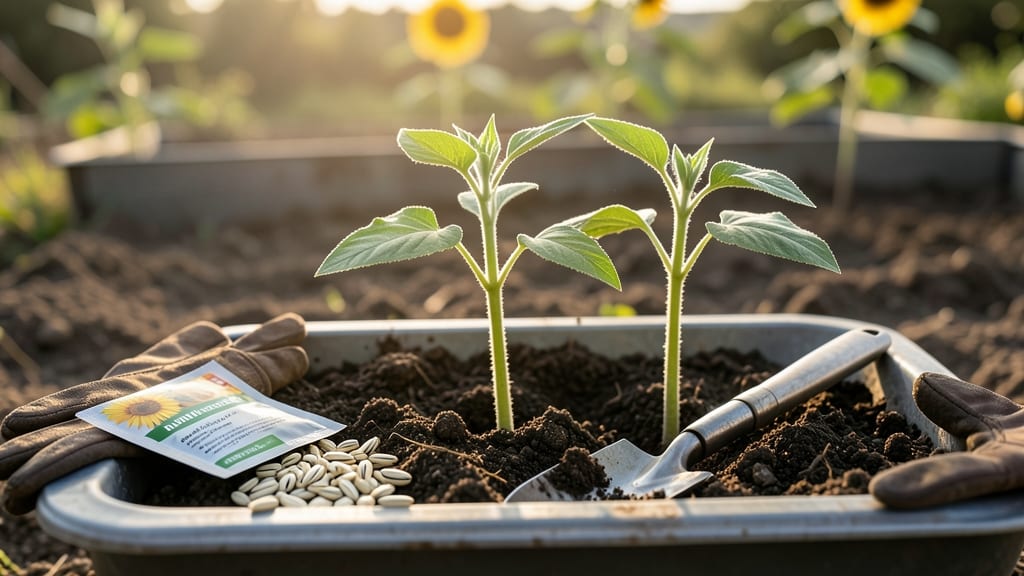
Plant sunflower seeds in Indiana after the last frost date, typically by mid-April to mid-June for the best results 🌻 — a window that lets your towering blooms reach full height before summer’s heat sets in.
Indiana’s unpredictable spring weather can make sunflower planting tricky—but timing your seeds right ensures towering blooms and bountiful harvests. One late frost, and those 10-foot giants you planted in March might never recover.
This guide breaks down the exact frost-free windows for dwarf, giant, and oilseed varieties, so you can pick the perfect planting date for your garden’s location in USDA Zone 6a.
You’ll also learn how to extend the growing season with simple tricks, like using row covers or choosing heat-tolerant varieties, so your sunflowers thrive no matter what Indiana’s weather throws at them.
Indiana sunflower planting calendar: frost-free dates by USDA Zone
Indiana’s USDA Zones 5-6 experience late springs and early autumn frosts, making precise timing critical for sunflower success. Unlike heat-loving plants, sunflowers thrive when soil temperatures reach 55°F (13°C)—a threshold often delayed until mid-April in northern Indiana.
Meanwhile, southern regions like Evansville (Zone 6b) can start planting as early as late March, while Gary (Zone 5b) may wait until early May to avoid frost damage.
Your last frost date isn’t the only deadline—first-frost risk in October means late-season varieties must mature before mid-October. Giant sunflowers like ‘Russian Giant’ need 90-120 days to reach harvest, while dwarf varieties like ‘Teddy Bear’ mature in just 50-60 days.
This creates a 6-week planting window where timing directly impacts your blooms.
Here’s your Indiana sunflower planting calendar, broken down by USDA Zone, variety type, and soil temperature thresholds to maximize your garden’s potential:
For Zone 5a gardeners, sticking to dwarf varieties like ‘Little Becka’ (50 days to maturity) is safest—planting after May 10 ensures blooms before the October 5 frost.
Meanwhile, Zone 6b growers can experiment with late-season giants like ‘Mammoth’ by sowing as late as June 15, though they’ll need row covers to extend the season.
Soil temperature is more critical than air temperature for sunflower germination. Use a soil thermometer to confirm 55°F (13°C) at 2-inch depth—cold soil delays sprouting by 10–14 days. In northern Indiana, this often means waiting until late April even if air temps feel spring-like.
Pro tip: Black plastic mulch warms soil 5–10°F faster than bare ground, letting you plant 2 weeks earlier.
Indiana’s unpredictable weather demands flexibility. If your last frost slips to May 1 (common in <
Best sunflower varieties for Indiana gardens and their planting timelines
Indiana’s variable climate demands sunflower varieties that thrive in USDA Zones 5–6. Whether you want dwarf varieties for containers or giant sunflowers for cut flowers, timing is everything. Plant too early, and seedlings risk frost damage; too late, and blooms may arrive after the first frost.
Let’s explore the top-performing varieties and their ideal planting windows to ensure towering stems and vibrant blooms all season.
For Indiana gardens, I recommend focusing on three standout varieties: ‘Moulin Rouge’ (dwarf, great for borders), ‘Autumn Beauty’ (multi-colored, long-lasting), and ‘Russian Giant’ (tall, classic cut flower). Each variety has unique maturity timelines and planting windows that align with Indiana’s 165 frost-free days.
Below, I’ve broken down their optimal planting dates, height expectations, and regional adaptability to help you choose the perfect fit for your garden.
| Variety | Type | Planting Window (Indiana) | Days to Maturity | Height (ft) | Best For |
|---|---|---|---|---|---|
| Moulin Rouge | Dwarf | April 15–May 15 | 50–60 days | 1–3 ft | Containers, borders |
| Autumn Beauty | Standard | May 1–June 1 | 60–70 days | 5–6 ft | Cut flowers, pollinators |
| Russian Giant | Giant | May 15–June 10 | 80–90 days | 10–14 ft | Cut flowers, height |
If you’re planting ‘Moulin Rouge’, aim for mid-April to mid-May—this dwarf variety matures quickly (50–60 days) and can handle Indiana’s late frosts better than taller types.
Its 1–3 ft height makes it perfect for container gardens or border plantings, and its red blooms attract pollinators early in the season.
For ‘Autumn Beauty’, wait until May 1–June 1 to plant. This standard-height variety (5–6 ft) thrives in Indiana’s summer heat and produces multi-colored blooms that last from late summer to frost.
Its 60–70 day maturity ensures blooms arrive just as hummingbirds and bees are most active, making it a pollinator magnet.
Giant sunflowers like ‘Russian Giant’ need more time to mature, so plant them May 15–June 10 for towering stems (10–14 ft). These late-season bloomers (80–90 days) are ideal for cut flower arrangements and add dramatic height to garden backdrops.
However, they require sturdy supports in windy Indiana conditions to prevent stem breakage.
Pro tip: Use row covers for early plantings of ‘Russian Giant’ to protect seedlings from late spring frosts. For all varieties, ensure well-draining soil and full sun exposure—Indiana’s hot summers will reward you with vibrant blooms if you follow these planting timelines.