
Plants
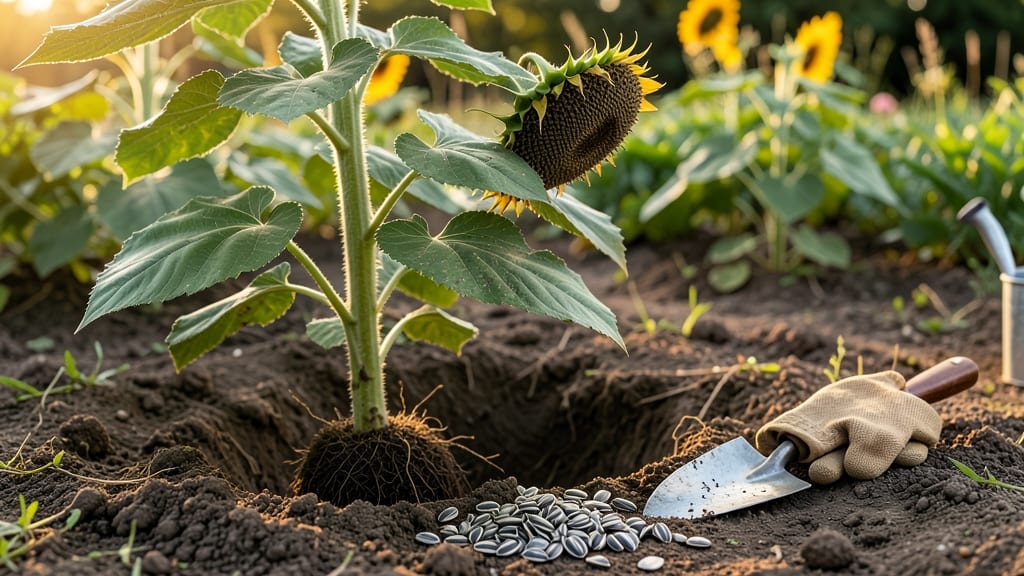
Planting sunflower seeds in Missouri after your last frost date — usually around mid-April — gives them the long, warm days they need to reach their full 10-foot height.
Missouri’s warm summers and long growing season make it an ideal place for sunflowers—but planting too early or late can stunt growth or invite pests. Timing is everything for those towering, vibrant blooms you dream of!
If you miss the spring window, you can still try a late summer planting for fall blooms, but the trade-off is shorter stems and fewer seeds. The key is soil that’s warmed to at least 60°F, which typically happens by early May in most of the state.
Below, I’ll walk you through the exact dates for your region, how to prep the soil for Missouri’s clay-heavy dirt, and the one trick that guarantees taller sunflowers without extra fertilizer.
Best planting months in Missouri (USDA Zone 5) for sunflower success
Missouri’s USDA Zone 5 climate offers two prime windows for planting sunflower seeds, but timing directly impacts bloom size and plant health. The primary planting window runs from late April through early June, right after your last expected frost date.
This ensures warm soil temperatures—60°F or higher—which sunflowers crave to sprout quickly and avoid damping-off disease.
For those who want fall blooms, a second planting window opens in late July to early August. These late-season sunflowers thrive with Missouri’s long daylight hours in summer and can produce stunning flowers before the first frost.
However, they’ll mature faster, so choose compact varieties like 'Teddy Bear' if space is limited.
Missouri’s microclimates create slight variations in frost dates. In St. Louis, the last frost typically arrives by April 15, while Kansas City may see frost linger until April 22.
Rural areas, especially in northern Missouri, can experience frost 2-3 weeks later. Always check your local frost-free date and wait until soil warms to 60°F before planting.
Here’s a quick reference to help you plan your sunflower planting schedule based on Missouri’s regions:
| Planting Window | Best Months | Soil Temp Threshold | Frost Risk | Missouri Region |
|---|---|---|---|---|
| Primary Window | Late April - Early June | 60°F+ | Low (after last frost) | St. Louis, Kansas City, Rural Areas |
| Fall Blooms | Late July - Early August | 65°F+ | Moderate (before first frost) | All regions |
| Extended Season | March (start indoors) | N/A (indoor start) | High (frost risk) | Greenhouse/Indoor |
If you’re eager to start early, you can pre-sprout seeds indoors in March using a heat mat to maintain 70°F soil temperatures. Transplant these seedlings outdoors after the last frost, but be prepared for slower initial growth if nighttime temperatures dip below 50°F.
This method is ideal for early blooms but requires extra care to avoid transplant shock.
Missouri’s humidity and summer heat can stress sunflowers if planted too late. Avoid sowing seeds after mid-August, as shorter daylight hours and cooler nights slow growth. Late plantings may not reach maturity before the first frost, leaving you with stunted plants or no blooms at all.
Instead, opt for fast-maturing varieties like 'ProCut' if you must plant in late summer.
For maximum height and bloom size, focus on the primary April-June window. Sunflowers planted in this period have 120-150 days to grow, allowing them to reach their full potential—some varieties even surpassing 10 feet tall!
Choose a sunny, open location with well-draining soil to support their rapid growth. Amend heavy clay soils with compost or sand to improve drainage and prevent root rot.
In rural Missouri, where deer and birds are common, consider planting sunflowers near your home or using deer-resistant varieties like 'Autumn Beauty'. These areas also benefit from staggered planting—sow seeds every 2 weeks from April to June—to extend your bloom season and ensure continuous color in your garden.
Just remember, sunflowers need 6+ hours of sunlight daily, so avoid shady spots.
Pro tip: Use a soil thermometer to confirm soil temperatures before planting. Sunflower seeds won’t germinate well in cold soil, and waiting for 60°F+ ensures strong, healthy starts. Pair this with a mulch layer to retain moisture and regulate soil temperature, especially in Missouri’s hot, dry summers.
With the right timing and care, your sunflowers will reward you with vibrant blooms that attract pollinators all season long!
How to adjust planting time for tallest sunflowers in Missouri’s climate
Missouri’s sunflower lovers know that timing directly impacts those 10-foot-tall giants we all dream of. The key to maximizing height lies in staggered planting and choosing varieties that thrive in Missouri’s hot summers and humid conditions.
I’ve learned that planting too early risks frost damage, while late plantings often result in shorter stems due to reduced daylight.
For maximum height, focus on two planting windows: early spring (after last frost) and late summer (for fall blooms). The 'Moulin Rouge' variety, for example, thrives in Missouri’s heat, while 'Autumn Beauty' offers stunning fall colors.
Let’s explore how to time these plantings perfectly to avoid common pitfalls like drought stress or pests that plague late-season sunflowers.
| Planting Window | Best Varieties | Key Considerations | Height Potential |
|---|---|---|---|
| Early Spring (April–May) | 'Moulin Rouge', 'Russian Giant' | Soil temp ≥60°F, full sun, 60+ days to maturity | 10–14 ft |
| Late Summer (July) | 'Autumn Beauty', 'Teddy Bear' | Quick-growing, shorter daylight, drought-tolerant | 3–8 ft |
| Staggered Planting (April + July) | Mix of tall and dwarf | Extended bloom season, pest management | 6–14 ft (varies) |
My go-to strategy is staggered planting: start with 'Moulin Rouge' in early May for towering summer blooms, then add 'Autumn Beauty' in July for fall color. This approach ensures continuous blooms and maximizes your garden’s vertical impact.
The trade-off? July plantings won’t reach the same heights due to Missouri’s shorter daylight hours in late summer.
For tallest sunflowers, prioritize soil prep and watering consistency. Missouri’s clay-heavy soils often need amendments like compost to improve drainage. I’ve found that deep watering 2–3 times per week during dry spells keeps stems sturdy and encourages height. Avoid over-fertilizing with nitrogen—it promotes foliage over flower development.
One critical mistake I see is planting sunflowers in late August. By then, Missouri’s daylight hours drop below the 12–14 hours sunflowers need to thrive. If you’re set on late-season blooms, opt for dwarf varieties like 'Teddy Bear' (3–4 ft tall) that mature faster.
These still provide vibrant color without the height compromise.
Pro tip: Use black plastic mulch in early plantings to warm soil faster and suppress weeds. I’ve seen this boost germination rates by 30% in cooler Missouri springs. Pair this with trellising for varieties like 'Russian Giant'—their 14-foot stems need support to avoid snapping in storms.
Remember, Missouri’s climate is your ally if you time it right. With two planting windows, the right varieties, and consistent care, you’ll enjoy sunflowers that reach their full potential—whether they’re summer sentinels or fall focal points. 🌻