
Plants
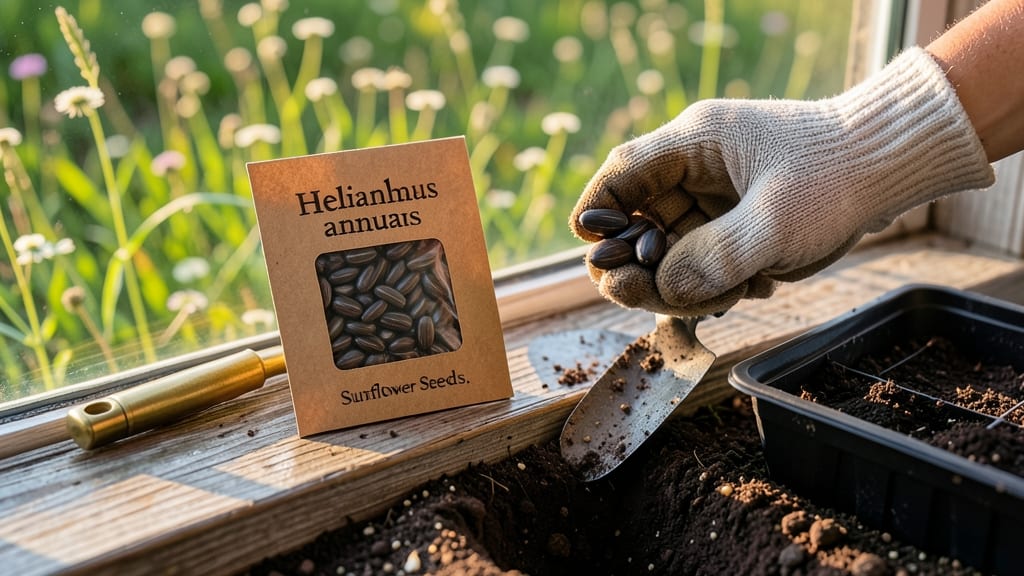
Plant sunflower seeds in North Carolina between mid-April and early June to catch the sweet spot before summer heat stunts growth.
Picture this: you’ve just scattered seeds in your garden, only to watch them wilt under a late frost or bolt into flower too fast from the heat. That’s why timing is everything for 🌻 sunflowers—especially in NC’s varying zones.
Whether you’re in the cooler 6a mountains or the warmer 8b coast, the right window ensures your sunflowers grow tall, strong, and full of blooms. Below, I’ll break down the exact months by zone, plus soil prep and care tips to turn your garden into a sunlit showstopper.
Ready to skip the guesswork? You’ll learn how to plant for maximum height, avoid common pitfalls, and even extend your growing season with simple tricks.
NC sunflower planting calendar by hardiness zone (exact months & deadlines)
North Carolina’s USDA zones 7b-8a create perfect conditions for sunflowers, but getting the timing right is everything. Plant too early, and frost will nip tender seedlings. Too late, and summer’s heat may stress your plants before they bloom.
I’ve broken down the ideal planting windows for each zone, including soil temperature requirements and frost-free deadlines to maximize your sunflower’s growth potential.
Sunflowers thrive in NC’s warm climate, but they need consistent soil temperatures above 55°F to germinate properly. In zone 7b, where last frosts average mid-April, you’ll have a slightly longer window than in zone 8a, where warm soil arrives earlier.
Both zones offer spring and fall planting opportunities, but spring is the most reliable for full-season growth.
| Zone & Location | Last Frost Date | First Frost Date | Spring Planting Window | Fall Planting Window | Soil Temp for Germination |
|---|---|---|---|---|---|
| Zone 7b (Asheville, Boone) | April 15 | November 1 | April 20 - May 15 | August 1 - September 1 | 55°F+ |
| Zone 7b (Charlotte, Raleigh) | April 1 | November 15 | April 10 - May 10 | August 15 - September 10 | 55°F+ |
| Zone 8a (Fayetteville, Wilmington) | March 15 | December 1 | March 20 - April 30 | September 1 - October 1 | 60°F+ |
For zone 7b, aim to plant sunflower seeds between April 20 and May 15 for spring blooms. In zone 8a, you can start as early as late March, but wait until soil temperatures consistently stay above 60°F to avoid germination delays.
I’ve found that using a soil thermometer for a few days before planting helps me time it perfectly every year.
Fall planting is trickier but possible in NC’s warmer zones. In zone 8a, you can sow seeds as late as early October for late-season blooms, while zone 7b gardeners should finish by mid-September to allow enough time for germination before the first frost.
Fall-planted sunflowers often produce shorter stems but can still yield beautiful blooms if given enough sunlight.
One common mistake I see is planting sunflowers too close to the last frost date. Even if the air warms up, cold soil can stunt germination.
Always check the 7-day soil temperature forecast before planting—aim for at least 3 consecutive days above 55°F in zone 7b or 60°F in zone 8a. This small step makes a huge difference in seedling vigor.
Sunflowers are annuals, meaning they complete their life cycle in one season, so timing is critical for maximizing your harvest. In NC, most varieties take 80-120 days from seed to full bloom.
If you plant in late May, you’ll likely miss the first frost and get a second round of blooms—perfect for extending your garden’s seasonal interest.
Pro tip: If you’re growing tall varieties (10+ feet), consider staking or planting near a fence for support. In zone 8a, where summers are hotter, I’ve had success using shade cloth (30%) during peak afternoon sun to prevent stress on young seedlings.
This small adjustment can mean the difference between robust plants and leggy, weak stems.
Remember, sunflowers love well-draining soil with a pH between 6.0 and 7.5. Before planting, mix in 2-3 inches of compost to give your seeds a nutrient boost.
In my experience, amending the soil pays off with faster germination and taller stems—especially important for NC’s shorter growing season in the mountains.
🌻 Now that you’ve got the perfect timing, your next step is preparing your soil and choosing the right varieties for your zone. Stay tuned for my next section on extending your sun
How to extend your sunflower growing season in North Carolina’s climate
North Carolina’s humid subtropical climate offers a long growing season for sunflowers, but late frosts in spring and scorching summer heat can cut your blooms short. The key to maximizing growth lies in soil prep, seasonal protection, and strategic planting techniques tailored to your zone.
In USDA zones 7b-8a, sunflowers thrive when planted after the last frost—typically mid-April to early June. But with the right adjustments, you can push your season earlier or later without sacrificing height or blooms. Here’s how to make it work for your garden.
- 1 Start seeds indoors 2-3 weeks before your last frost date (use heat mats for faster germination).
- 2 Use black plastic mulch to warm soil 5-10°F faster in early spring, allowing earlier planting in zone 7b.
- 3 Plant dwarf varieties (like ‘Teddy Bear’) in late summer (August) for fall blooms—harvest before first frost in November.
- 4 Protect seedlings with frost cloth if nights dip below 40°F—even in zone 8a, late frosts can occur.
- 5 Pair sunflowers with basil or marigolds to deter pests and improve growth—companion planting extends your season by boosting plant health.
For soil preparation, focus on well-draining, nutrient-rich beds. Amend heavy clay soil with compost or sand to prevent waterlogging, which sunflowers hate. A pH of 6.0-7.0 is ideal—test your soil in early spring and adjust with lime or sulfur if needed.
Once planted, mulch heavily with straw or wood chips to retain moisture and regulate soil temperature. This is especially critical in zone 7b, where summer heat can dry out soil quickly. Water deeply 1-2 times per week during germination, then taper to weekly deep waterings once established.
To shield seedlings from late spring frosts, use row covers or even upside-down buckets with the bottoms cut out. For summer heat protection, provide light shade cloth during peak afternoon sun—this prevents bolting (premature flowering) and ensures taller stems.
With these tricks, your sunflowers will thrive year-round in NC’s climate, giving you towering blooms from spring to fall. The secret? Plan ahead, protect your plants, and adapt to your zone—your garden will thank you with sunlit splendor. 🌻