
Plants
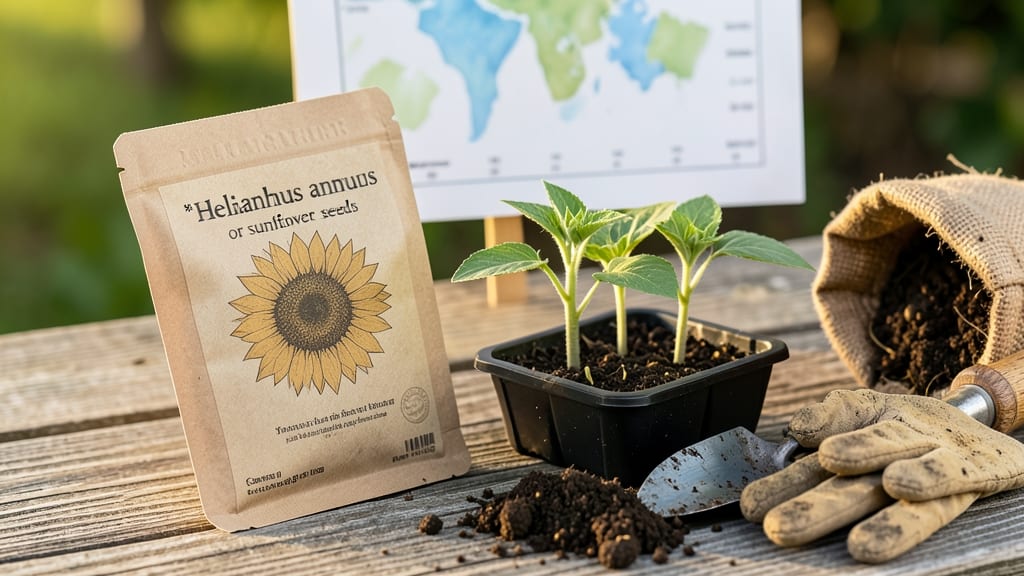
Planting sunflower seeds in Zone 7 after your last frost—typically around mid-April—sets them up for towering success with minimal fuss.
Sunflowers aren’t just beautiful—they’re low-maintenance giants that thrive with the right timing, especially in Zone 7’s unpredictable climate. Plant too early, and frost will strike; too late, and your towering blooms might never reach their full potential.
Here’s the exact planting schedule to ensure sunflowers that tower over your garden all season.
Most sunflowers need 70 to 120 days to mature, so timing is everything. In Zone 7, you’ve got a 3-month window from late April through early July to get them in the ground.
That means you can plant early varieties in April, mid-season types in May, and even late bloomers in June for a continuous display of 🌻.
Below, I’ll break down the best months, how to adjust for different varieties, and the common mistakes that kill blooms before they even begin. Ready to grow sunflowers that reach for the sky?
Best months to plant sunflower seeds in Zone 7 (with frost dates)
Zone 7 gardeners enjoy a long growing season of about 180 frost-free days, but timing matters for sunflowers. The average last frost date is around April 15, but your exact date depends on elevation and microclimates.
Planting too early risks frost damage, while late plantings may not mature before fall's first frost (October 15 average). Here's how to nail your sunflower schedule.
Sunflowers thrive with warm soil temperatures above 50°F (10°C). In Zone 7, this typically occurs by mid-April in most areas. However, cooler microclimates may need to wait until early May. Always check your local frost date records—a late frost can devastate young seedlings.
For giant varieties (like 'Mammoth' or 'Russian Giant'), aim for April 15-30 planting. These need 100-120 days to mature, so late plantings risk stunted growth. Dwarf varieties (like 'Teddy Bear' or 'Sunspot') can tolerate slightly later plantings up to June 1 since they mature in 60-80 days.
| Planting Window | Best For | Soil Temp | Days to Maturity | Frost Risk |
|---|---|---|---|---|
| Mid-April | Giant varieties | 50°F+ | 100-120 days | Low (if after last frost) |
| Late April | Standard varieties | 55°F+ | 80-90 days | Moderate |
| Early May | Dwarf varieties | 60°F+ | 60-80 days | Low |
| June (succession) | Fast-maturing types | 65°F+ | Under 70 days | None (late season) |
If you're growing oil-type sunflowers (like 'NuSun'), focus on late April to early May plantings. These varieties prioritize seed production over flower size, so they're more forgiving with slightly later plantings than giant types. Always check seed packets for specific maturity days—this is your best guide.
For succession planting, try a second batch in early June using fast-maturing varieties. This extends your harvest window into late September before frost arrives. Just ensure your chosen variety can complete its lifecycle before October 15—most dwarf types can.
Pro tip: Use black plastic mulch to warm soil faster in early spring plantings. This can push your planting window 1-2 weeks earlier in cooler microclimates. Remove mulch once plants are established to prevent overheating.
Monitor soil moisture closely after planting—sunflower seeds need consistent moisture to germinate. Water 1 inch per week until sprouts appear, then reduce to deep watering every 10-14 days once established. Overwatering can cause root rot, especially in heavy clay soils.
Remember: Sunflowers hate transplanting. Always plant seeds directly in their final location at 1 inch deep and 6 inches apart. Thinning seedlings later ensures each plant gets enough nutrients and sunlight to reach its full 6-14 foot potential.
With these timing guidelines, you'll enjoy vibrant sunflowers from July through October, providing both beauty and birdseed for your feathered friends. Happy planting! 🌻
How to adjust planting time for sunflower varieties in Zone 7
Not all sunflowers grow at the same speed, which means their planting windows in Zone 7 vary dramatically. Tall varieties (like 'Mammoth' or 'Russian Giant') need 100+ days to mature, while fast-growing types (like 'Teddy Bear' or 'Autumn Beauty') can bloom in under 70 days.
Matching your variety to the right planting time ensures you avoid frost damage or heat-induced bolting.
In Zone 7, where last frost typically arrives mid-April and first frost hits mid-October, you’ve got a 6-month growing window for sunflowers. The key is staggering plantings to enjoy blooms from summer through fall. Here’s how to time it right for each type:
For tall sunflowers, aim to plant by May 1st to avoid heat stress during their long growing season. These varieties need full sun and deep, fertile soil to reach their full height. If you’re growing 'Russian Giant', give them 18+ inches of space—they’ll need it!
Medium varieties like 'Autumn Beauty' are more flexible. Plant them in early June for late-summer blooms that last into October. These are my go-to for cutting gardens because they’re disease-resistant and long-lasting in vases.
Fast-growing sunflowers are the secret weapon for extending your season. Plant 'Teddy Bear' every 3 weeks from May through July to enjoy non-stop color until frost. They’re also great for kids—their small, cheerful blooms are easy to reach and maintain.
Pro tip: If you’re worried about bolting (when sunflowers flower too early due to heat), choose shorter varieties or plant in partial shade during peak summer. Mulch heavily to keep roots cool and water deeply at the base to prevent stress.
With this strategy, you’ll have sunflowers blooming from June through October—a 6-month show of golden cheer. Just remember: soil temperature matters too. Wait until the soil is at least 55°F before planting to avoid slow germination.