
Companion Plants
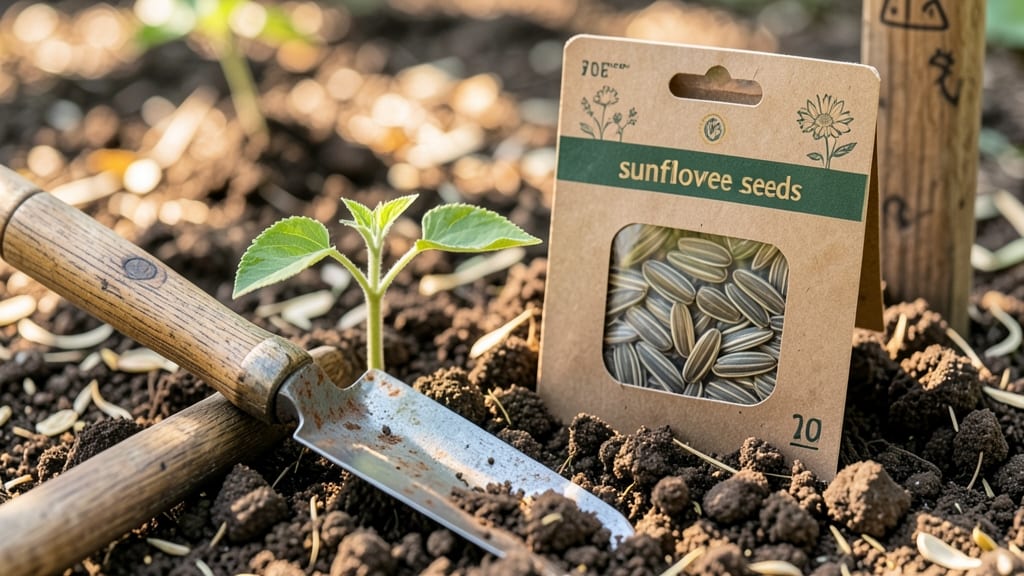
Planting sunflower seeds in Pennsylvania at the right time ensures bold, towering blooms 🌻 that thrive from late spring to fall.
Too early, and a late frost will nip them in the bud. Too late, and you’ll miss the chance to watch them grow from tiny sprouts to 10-foot giants by harvest. The best window? Between mid-April and mid-June, when soil temperatures hit 50°F and the last frost has passed.
Pennsylvania’s USDA zones 5a-7b mean your timing depends on whether you’re in cooler northern regions or warmer southern areas. In Zone 5a, wait until early May, while Zone 7b gardeners can start as early as late April.
Below, I break down the exact dates by zone, the best varieties for PA’s climate, and how to stretch your season for longer blooms—plus common mistakes to avoid.
Best sunflower planting dates in PA by hardiness Zone (2024 guide)
Pennsylvania's diverse microclimates mean your sunflower planting window can vary by 100+ miles. In Zone 6a (northwest PA), frost lingers until May 15, while Zone 7b (southeast PA) typically sees last frosts by April 15.
Getting the timing right ensures vibrant blooms from late August through October.
Sunflowers thrive as annuals in PA, completing their life cycle in 70-120 days. For maximum height (up to 14 feet for Mammoth varieties), plant seeds when soil temperatures reach 50°F—usually 2-4 weeks after your last frost date.
Southern PA gardeners can start as early as mid-April, while northern growers should wait until late May.
For northern PA (Zones 6a-6b), focus on short-season varieties like Teddy Bear or ProCut, which mature in 50-60 days. These handle cooler soils better than Mammoth varieties, which need longer growing seasons (90+ days).
In southern PA, you can experiment with Russian Giants or Autumn Beauty for taller stems and longer vase life.
Use black plastic mulch to warm soil 2-3°F faster in cool zones, extending your planting window by 10-14 days. This trick works especially well for Zone 6a gardeners who want to try mid-April plantings.
Always test soil temperature with a thermometer—sunflowers won't germinate below 50°F, even if frost risk is low.
If you miss the spring window, don't despair! Sunflowers are heat-tolerant and can handle late summer plantings. In Zones 7a-7b, sow seeds in early July for fall blooms that last until first frost. Choose d
Top sunflower varieties for Pennsylvania gardens & their ideal planting times
Pennsylvania’s 6a-7b climate lets you grow everything from dwarf sunflowers to towering Mammoth varieties. The key is matching the planting window to each variety’s maturity timeline.
For example, Teddy Bear sunflowers bloom in just 50 days, while Russian Giant varieties need 120 days to reach their full 14-foot height. Let’s break down the best options for your PA garden.
Start with early-season varieties like Autumn Beauty or ProCut if you want edible seeds by late summer. These thrive when planted in mid-April to early May, giving them enough time to mature before first frost.
For ornamental sunflowers that last into fall, Moulin Rouge or Evening Sun planted in late May will reward you with vibrant blooms well into October.
Here’s a quick comparison of the top 5 sunflower varieties for PA gardens, including their ideal planting times, mature heights, and best uses:
For northern PA (zones 6a), prioritize early-maturing varieties like Teddy Bear or ProCut to avoid early frost risks. In southern PA (zones 7a-7b), you can push the envelope with Russian Giant or Mammoth varieties, planting as late as mid-May for a longer growing season.
Just remember: soil temperature should be at least 50°F before planting.
If you’re growing sunflowers for edible seeds, ProCut and Autumn Beauty are top picks—their disease resistance and high oil content make them ideal for PA’s humid summers. For ornamental displays, Moulin Rouge