
Flowers
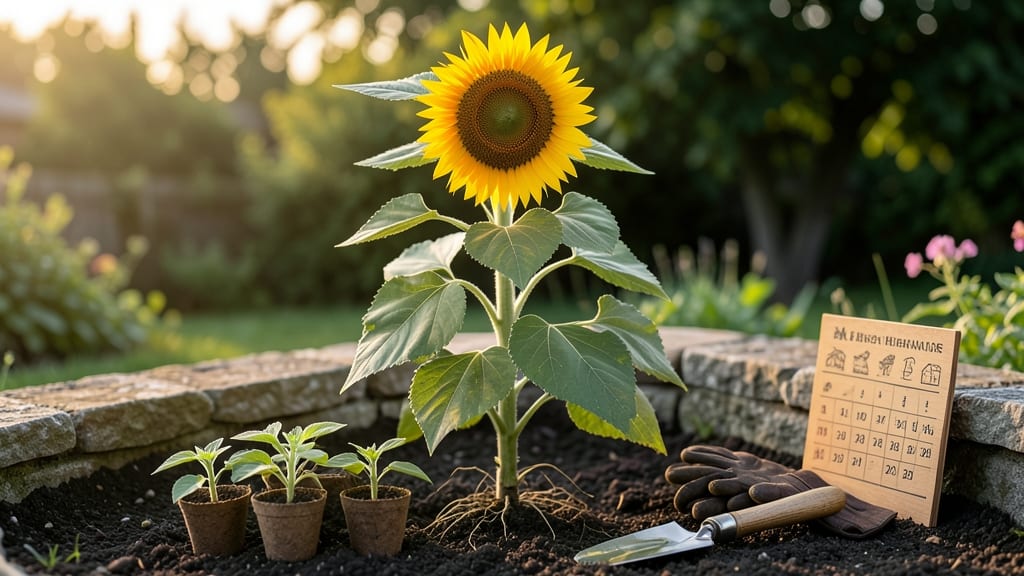
To plant sunflowers for doves in Texas, aim for early spring after the last frost — typically March in North Texas or February in Central/South Texas — when soil warms to 50°F.
Picture this: a flock of doves descending on your garden like a feathered buffet, their gentle coos signaling a successful harvest. But timing is everything — plant too early, and a late frost wipes out your blooms. Too late, and the summer heat robs the seeds of their appeal.
The key is aligning your sunflower varieties with Texas’s 8a-10b climate, where frost-free windows shift from 210 days in the Panhandle to nearly year-round in the Rio Grande Valley.
Sunflowers aren’t just pretty faces; they’re a dove’s all-you-can-eat buffet. The right varieties — like Mammoth or Teddy Bear — produce plump, oil-rich seeds that doves adore, but only if planted when the June-October harvest window aligns with your region’s growing season.
Skip the pesticides, and you’ll turn your garden into a year-round haven.
Below, I break down the exact months to plant by Texas zone, the sunflower types doves prefer, and the simple tricks to maximize seed production — because a well-timed sunflower isn’t just a flower; it’s an invitation to nature’s most graceful diners.
Best planting months for Texas sunflowers to attract doves
Timing your sunflower planting is everything when you want to attract doves to your Texas garden. These birds thrive on sunflower seeds, but they need them at the right stage—fully mature and ready to harvest.
Plant too early, and you risk frost damage; too late, and your seeds won’t ripen before winter sets in. Texas’ diverse climate means North, Central, and South regions all have slightly different windows for ideal planting.
Doves prefer large, oil-rich seeds like those from Mammoth or Russian Giant varieties. These take 60-120 days to mature, so aligning your planting schedule with Texas’ frost-free dates ensures a reliable seed supply.
For example, in North Texas (USDA Zones 7b-8a), you’ll want to plant after the last frost—typically by mid-March—while South Texas (Zones 9a-10b) gardeners can start as early as late January.
Microclimates matter too. Urban areas may experience heat islands, while rural spots might have cooler nights. Always check your local average last frost date (e.g., February 15 in North Texas vs. January 15 in South Texas) and adjust accordingly. Even a 2-week difference can mean the difference between a bountiful harvest and a failed crop.
| Texas Region | Last Frost Date | Ideal Planting Window | Seed Maturity Timeline | Dove-Friendly Tip |
|---|---|---|---|---|
| North Texas (Zones 7b-8a) | Mid-February to early March | March 15 - April 15 | June 15 - September 15 | Choose drought-resistant varieties like 'Autumn Beauty' for late-season seeds. |
| Central Texas (Zones 8a-8b) | Late January to early February | February 15 - March 30 | May 15 - October 1 | Plant in raised beds to improve drainage in heavy clay soils. |
| South Texas (Zones 9a-10b) | Mid-January | January 20 - March 1 | April 15 - November 15 | Avoid overwatering—sunflowers here thrive with minimal irrigation. |
| East Texas (Humid) | Late February | March 1 - April 10 | June 1 - September 30 | Use fungicide-resistant seeds to combat humid conditions. |
| West Texas (Arid) | Mid-March | April 1 - May 1 | July 1 - October 15 | Mulch heavily to retain moisture in dry soils. |
For maximum dove appeal, aim to have sunflowers mature between June and October. This aligns with Texas’ peak dove activity, when these birds are most actively foraging for seeds.
If you miss the spring window, don’t despair—fall planting (August-September) can still yield seeds before the first frost, though varieties like 'Teddy Bear' mature faster (in 50-60 days) to suit shorter growing seasons.
Microclimates within regions can shift planting windows by 2-4 weeks. For example, hill country elevations may experience frost later than valley floors. Use a soil thermometer to confirm when soil reaches 50°F, the ideal temperature for sunflower germination.
This simple tool can save you from planting too early and risking frost damage.
Doves also need water sources near your sunflower patch. Place a shallow birdbath or dripping faucet within 20 feet of your plants. This not only attracts doves but also encourages them to linger longer, increasing their seed consumption.
Pair your sunflowers with native Texas grasses like switchgrass or little bluestem to create a multi-layered food source that keeps birds visiting year-round.
In North Texas, where first frosts can arrive as early as December 1, prioritize early-maturing varieties like 'ProCut' (ready in 55 days). In South Texas, where frost is rare, you can experiment with successive plantings every 2-3 weeks to extend the harvest window.
Just remember: doves prefer dry, mature seeds, so avoid harvesting too early—wait until the back of the petals turns yellow and the seed heads rattle when shaken.
One common mistake is assuming all sunflowers are created equal for doves. Oil-rich varieties like 'Russian Giant' produce seeds with higher fat content, which doves adore. Avoid decorative, non-seed-producing varieties—they won’t attract birds. Instead, opt for open-pollinated, heirlo
How to Choose sunflower varieties that doves love most
Doves adore sunflower seeds for their high oil content and easy accessibility, but not all varieties attract them equally. The Mammoth and Russian Giant varieties top the list because their large seeds are perfect for dove beaks.
These varieties also thrive in Texas heat, making them ideal for year-round planting when timed correctly.
For smaller gardens or container growing, Teddy Bear sunflowers are a fantastic choice. Their compact size (3-4 feet tall) and abundant seeds make them irresistible to doves while requiring less space. Plus, their drought tolerance aligns perfectly with Texas's unpredictable rainfall patterns.
Here’s a quick comparison to help you decide which variety best suits your garden and dove-attracting goals:
Pros:
- Large seeds (dove favorite)
- 12-14 ft tall (great for privacy)
- High oil content (nutrient-rich for doves)
Cons:
- Needs staking (wind-prone)
- Longer maturity (90-120 days)
- Requires more space
Pros:
- Massive heads (up to 16 inches)
- Drought-resistant (Texas-friendly)
- Early blooming (60-70 days)
Cons:
- Heavy heads (may need support)
- Aggressive spread (needs spacing)
- Attracts squirrels (may compete with doves)
Pros:
- Compact size (3-4 ft tall)
- Abundant seeds (dove magnet)
- Early bloomer (50-60 days)
Cons:
- Shorter stature (less privacy)
- Smaller seeds (may attract smaller birds)
- Less drought-proof than giants
If you’re planting for maximum dove appeal, prioritize varieties with large, oil-rich seeds like Mammoth or Russian Giant. For smaller spaces or container gardening, Teddy Bear sunflowers are a game-changer—they produce seeds doves can’t resist while fitting neatly into urban gardens.
For Texas gardens, drought tolerance is non-negotiable. Russian Giant sunflowers excel here, requiring minimal water once established. Pair them with Teddy Bear varieties for a two-tiered seed buffet that keeps doves flocking to your yard all season long.
Pro tip: Plant a mix of varieties to extend the seed harvest window. Early bloomers like Teddy Bear will feed doves in late spring, while Mammoth varieties provide late-summer sustenance when other food sources dwindle.
Remember, pesticide-free zones are critical for dove safety. Let nature do the work—sunflowers naturally repel many pests, and their seeds will attract doves without any extra effort from you.